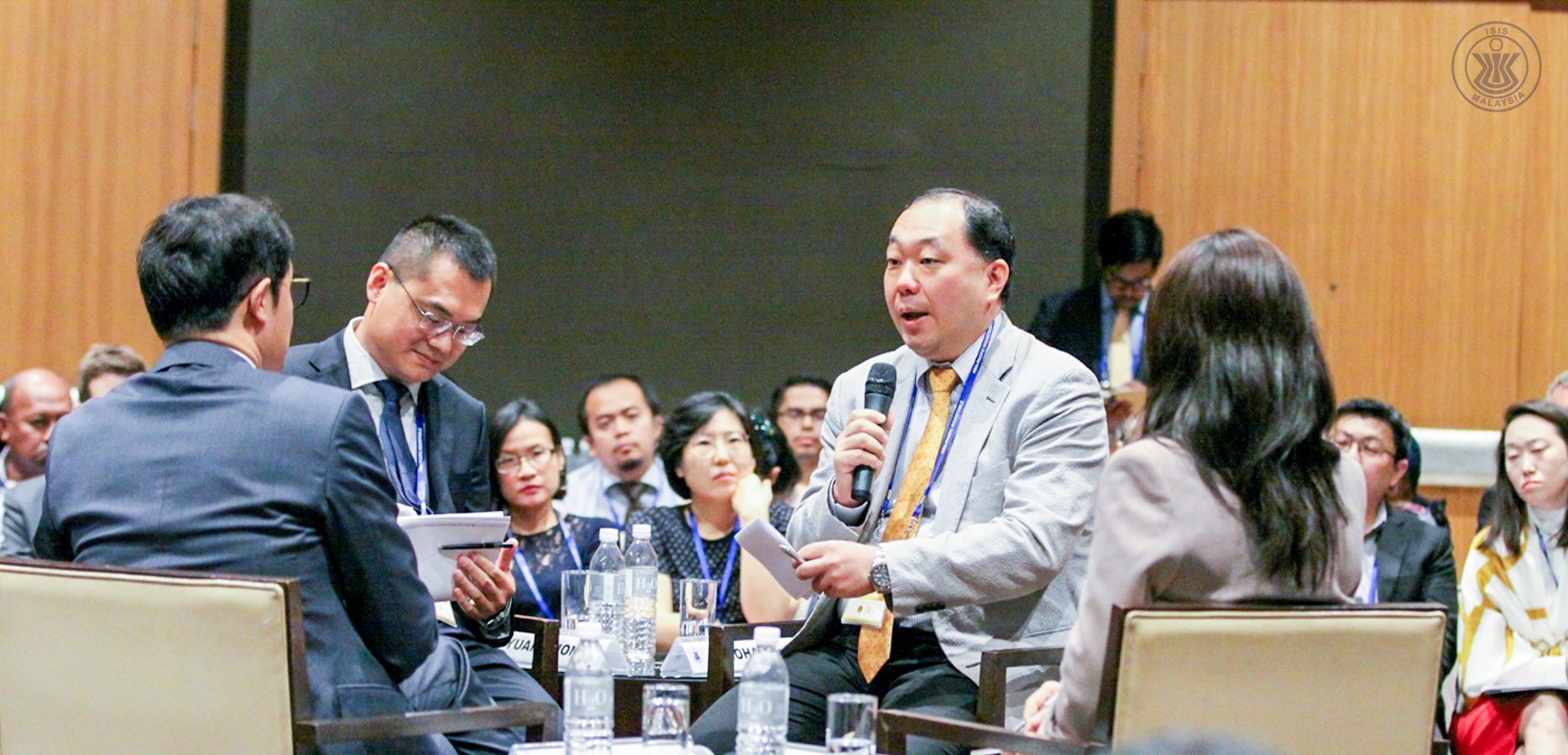
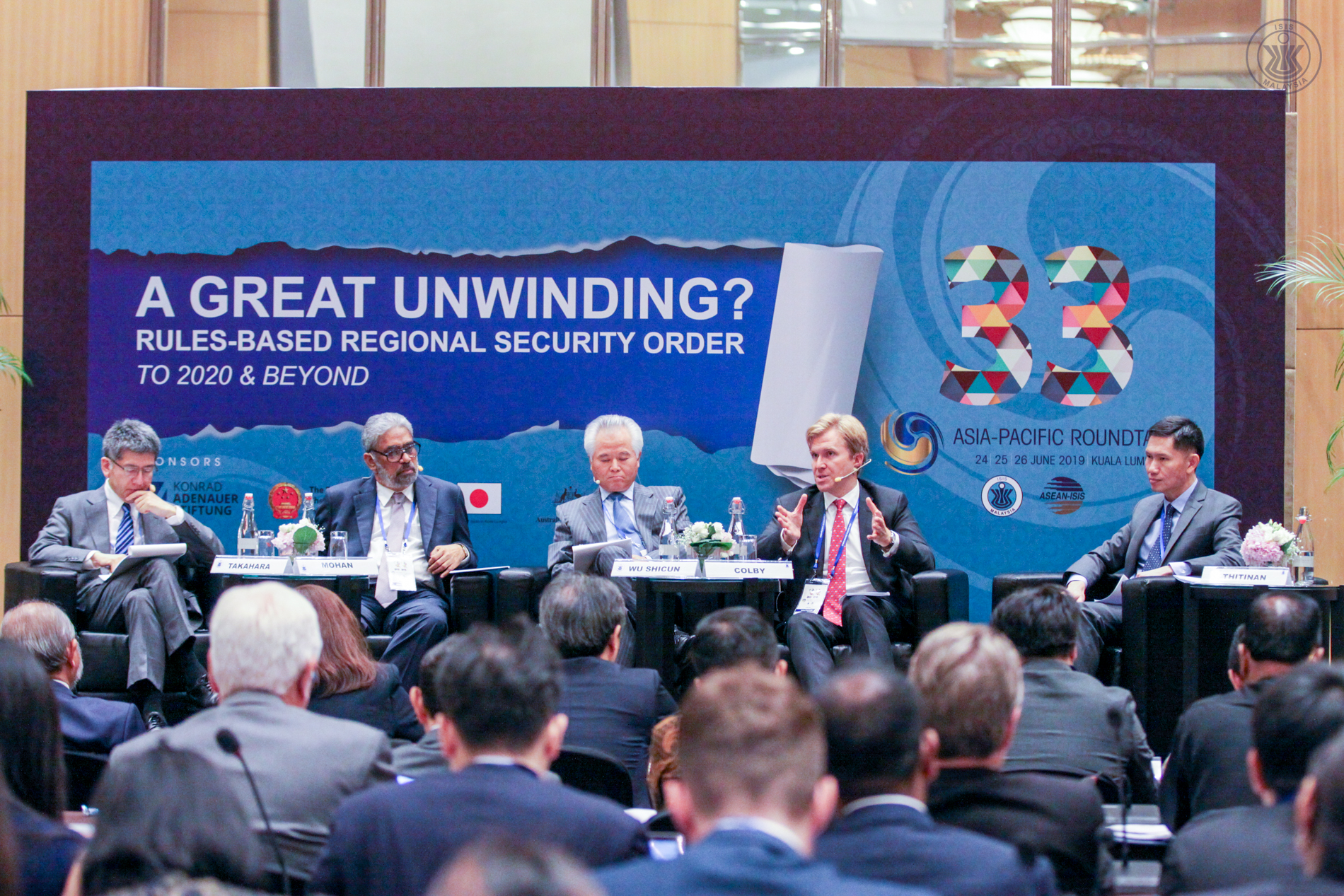
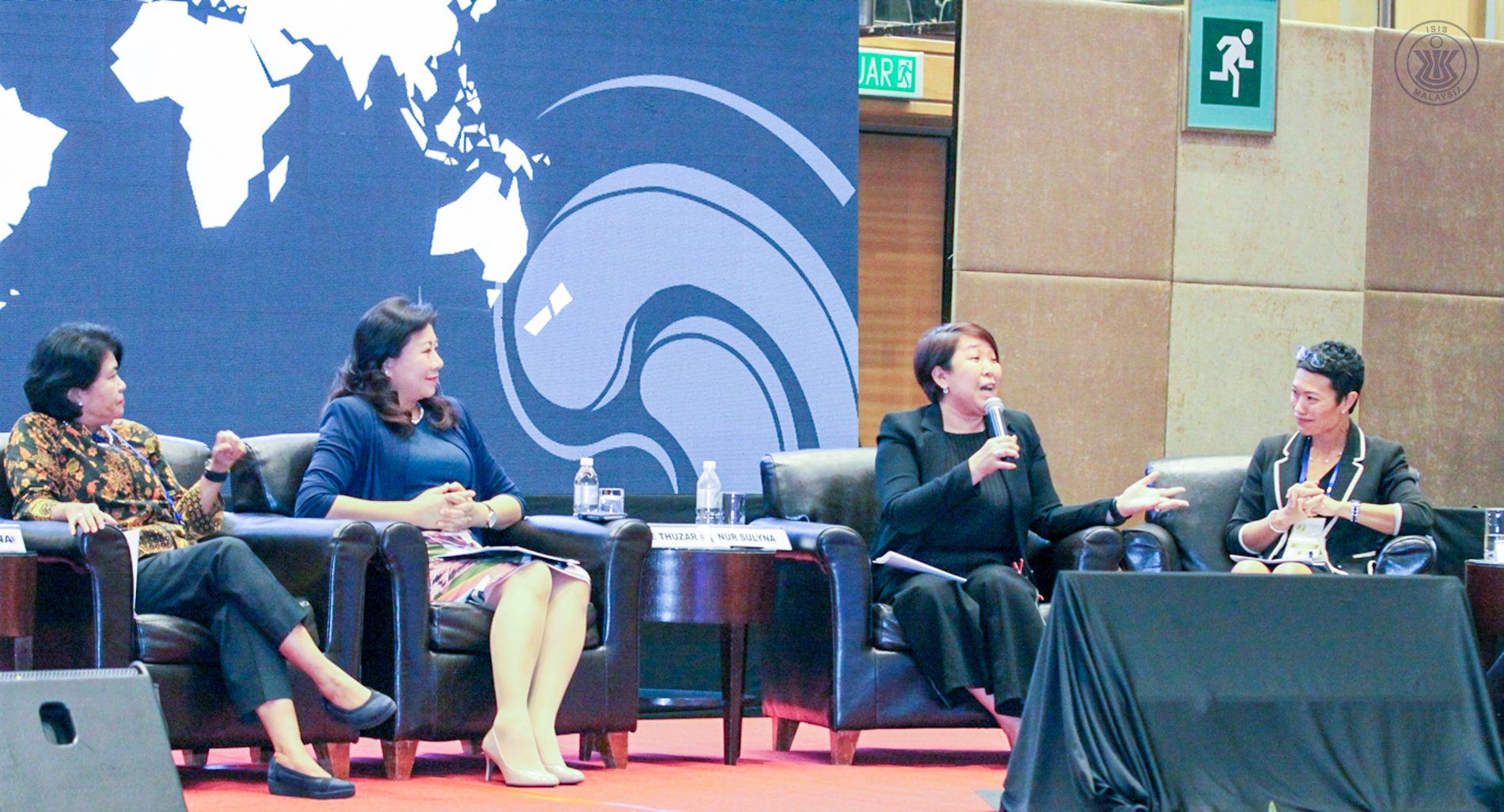
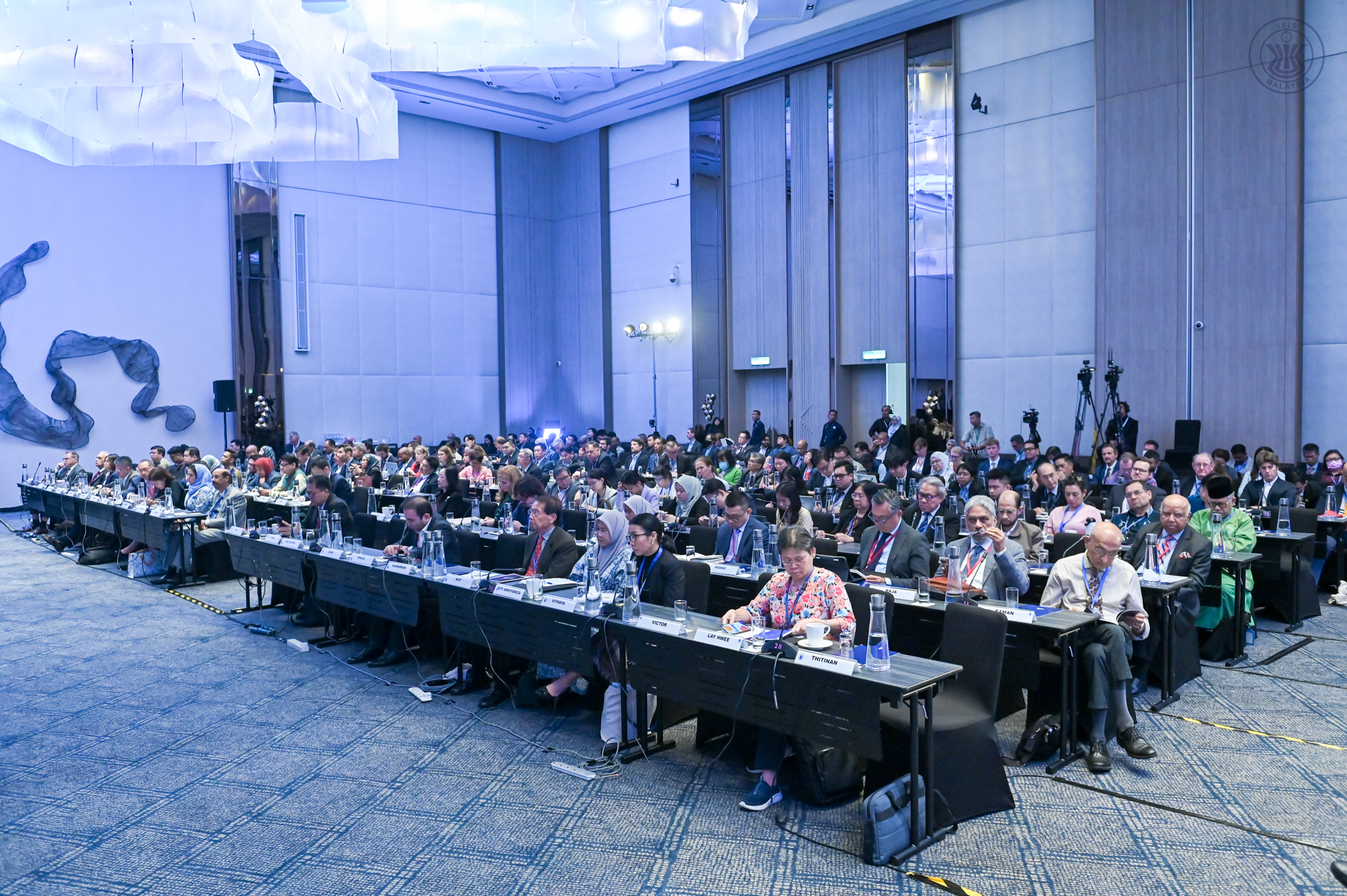
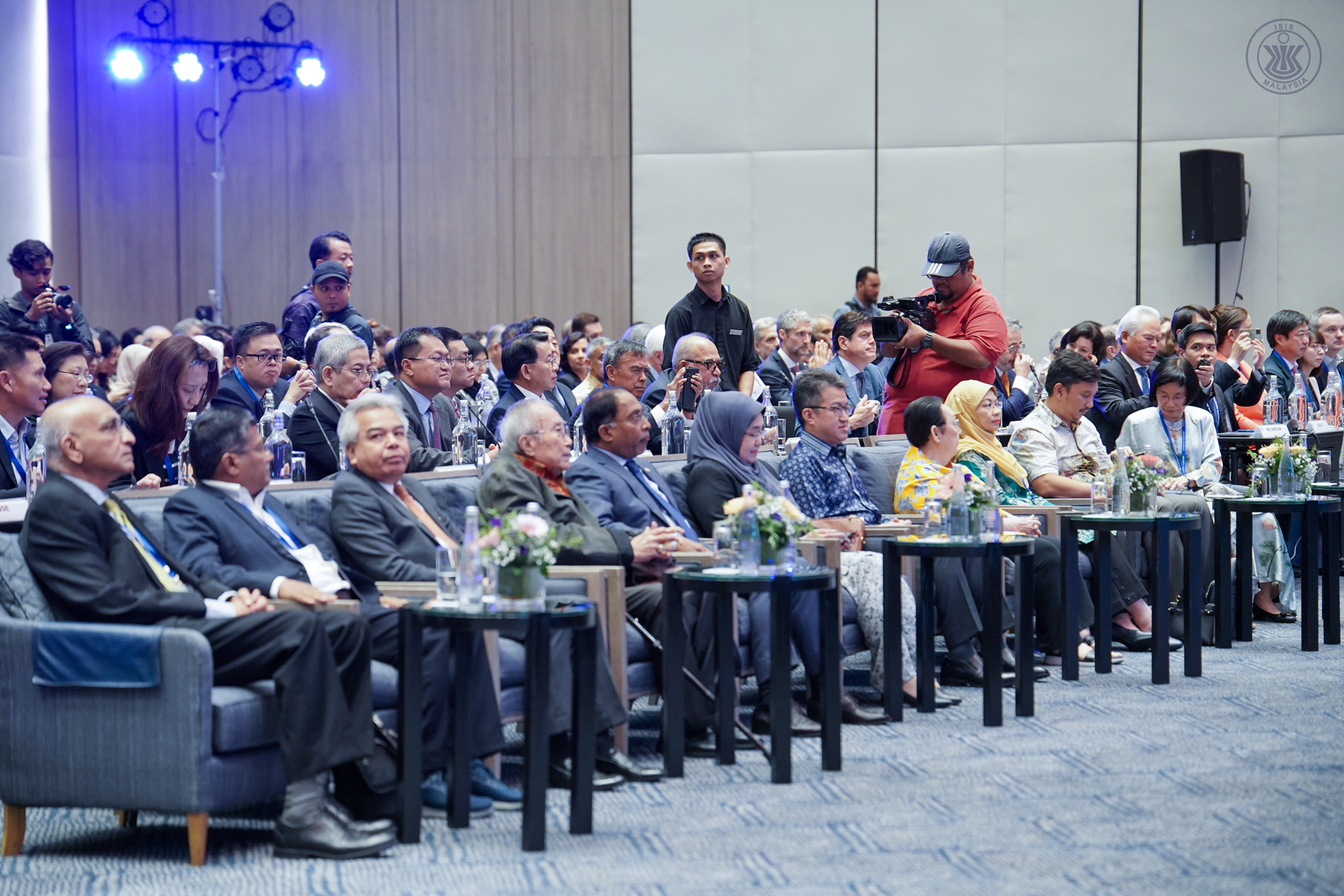
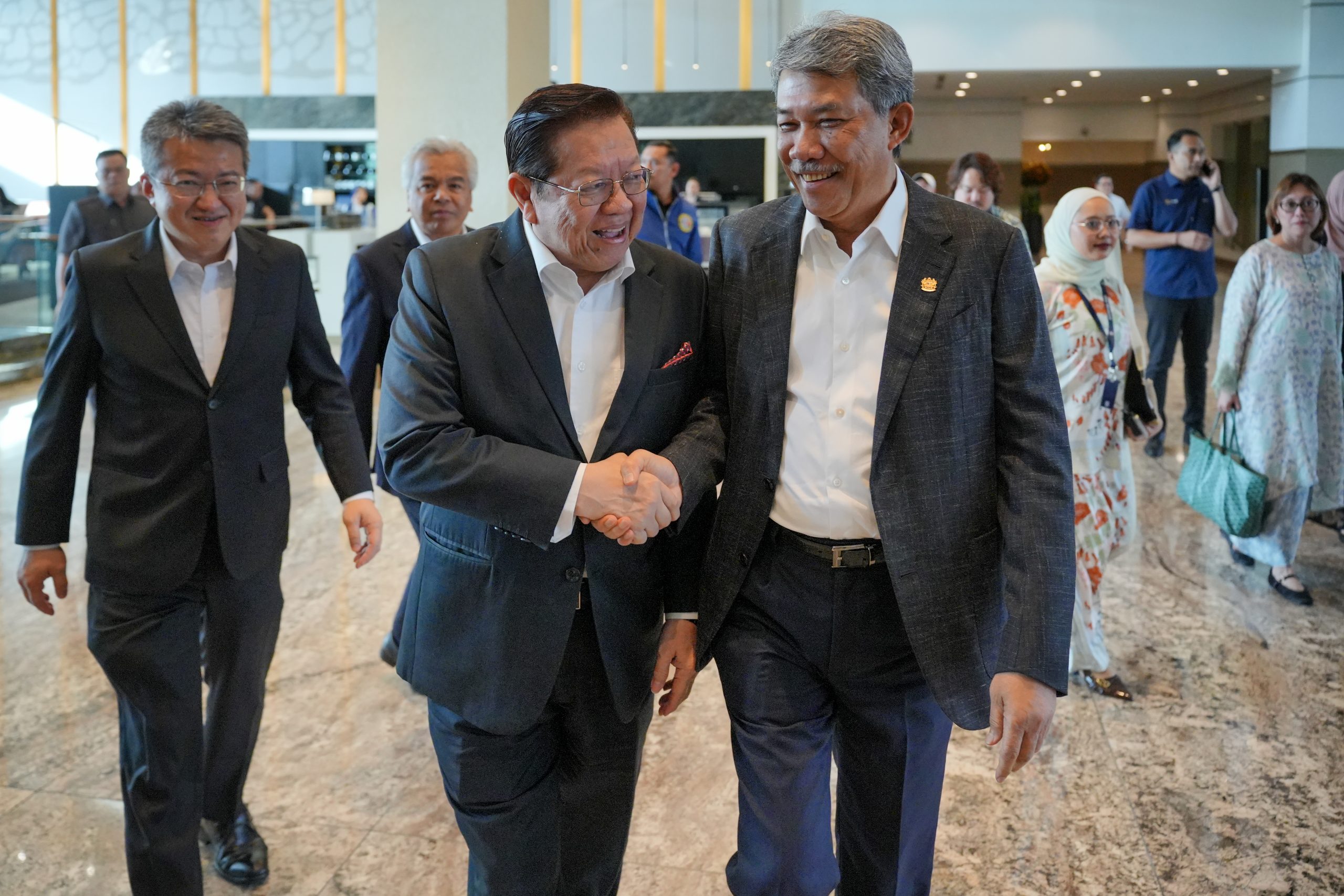
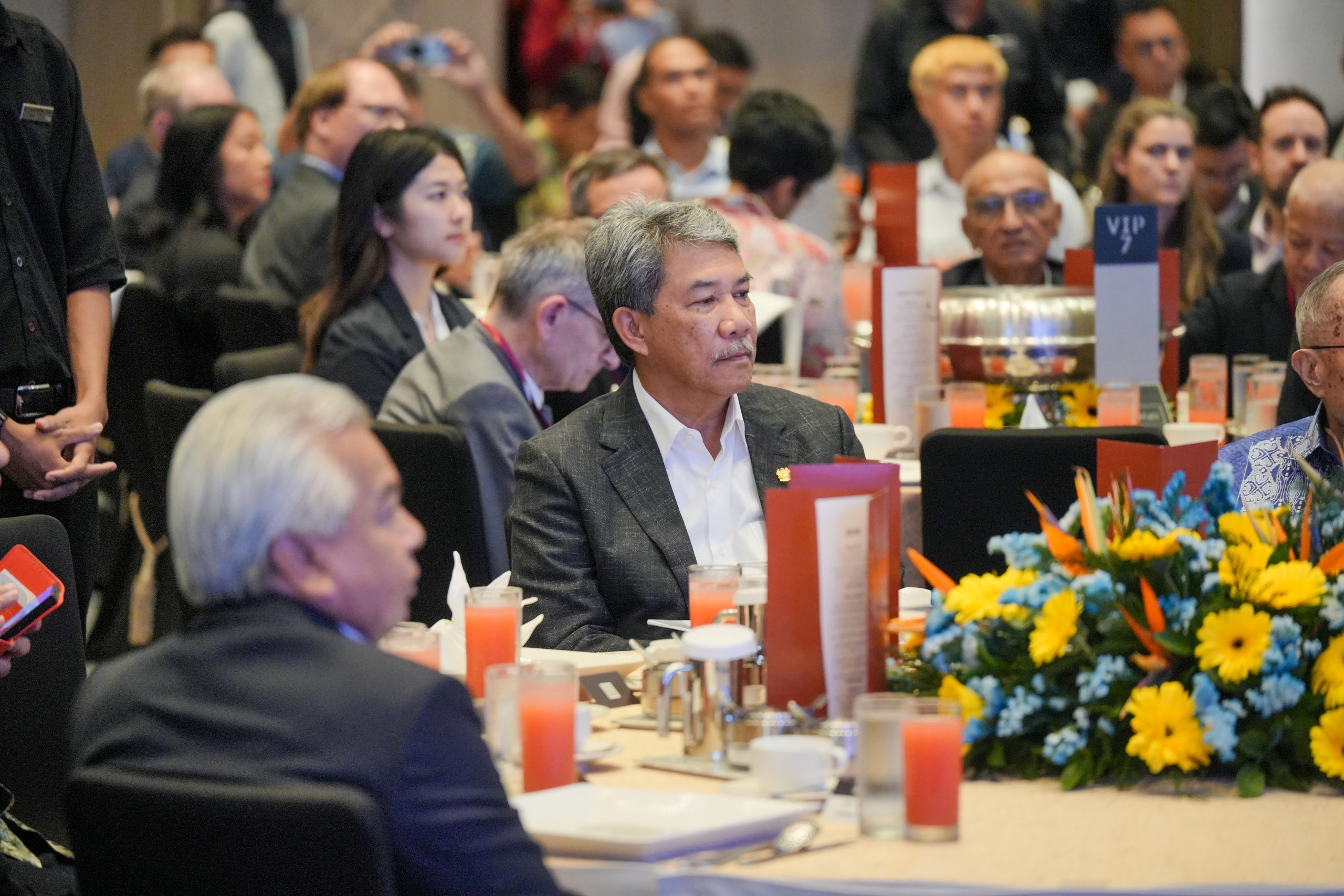
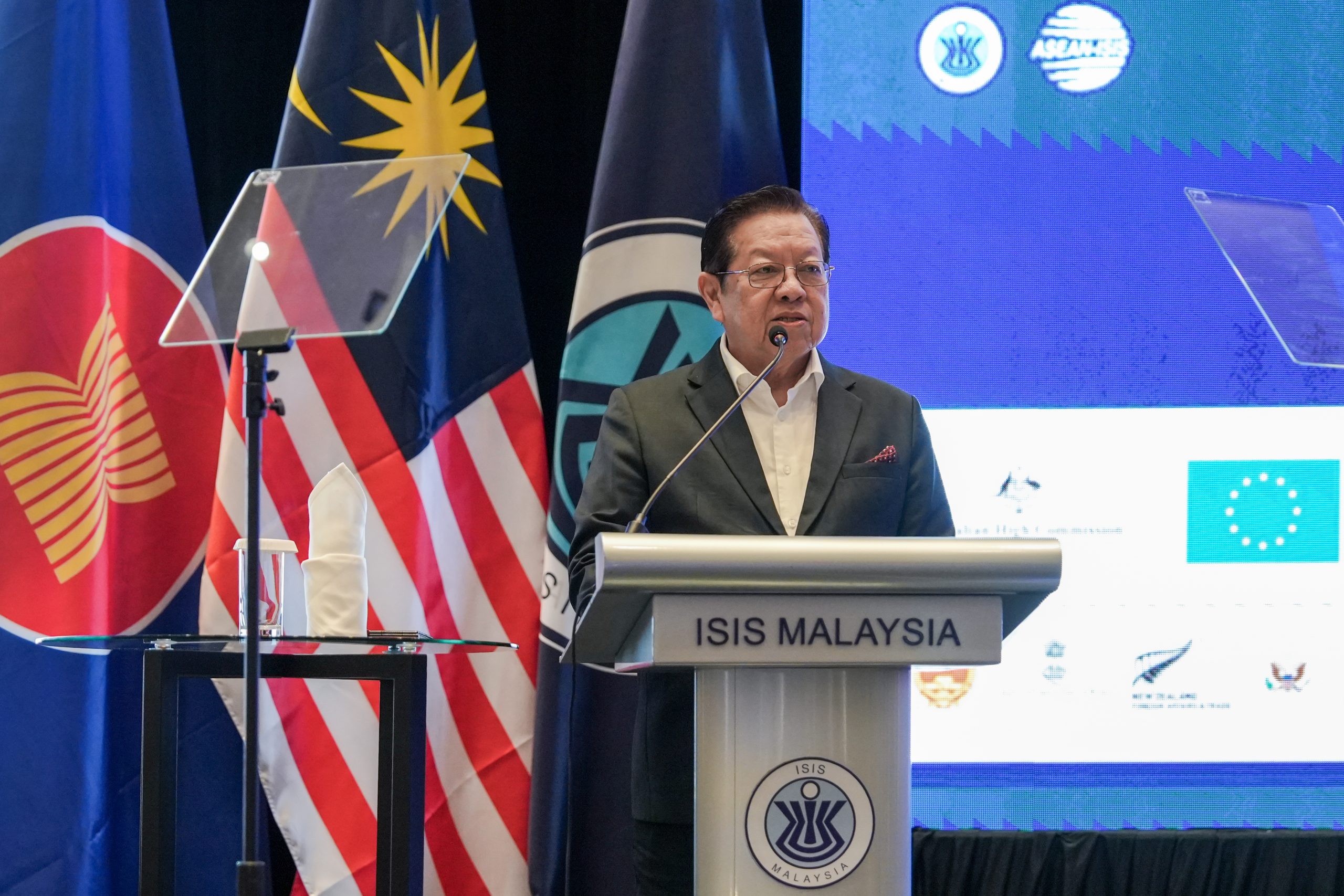
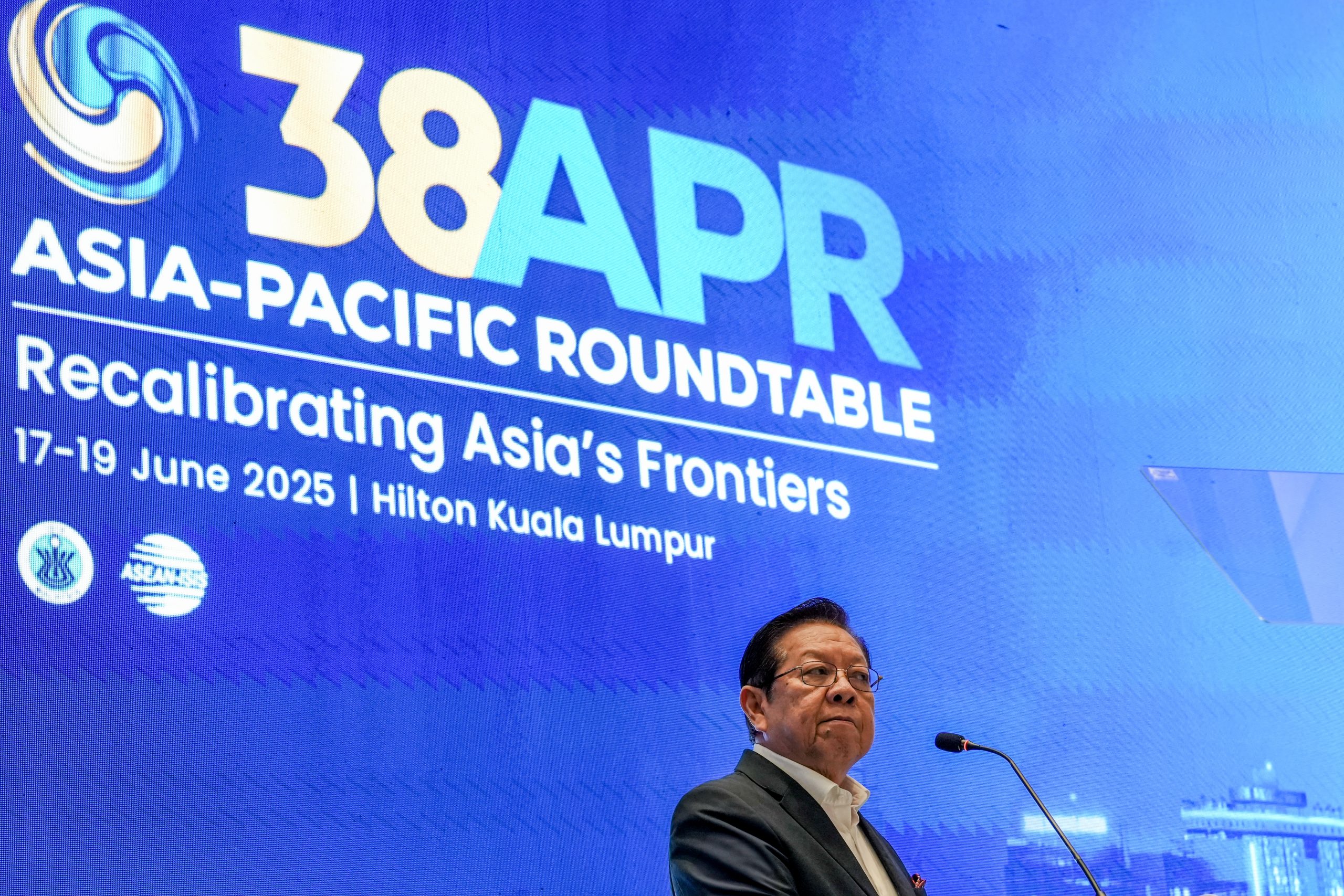
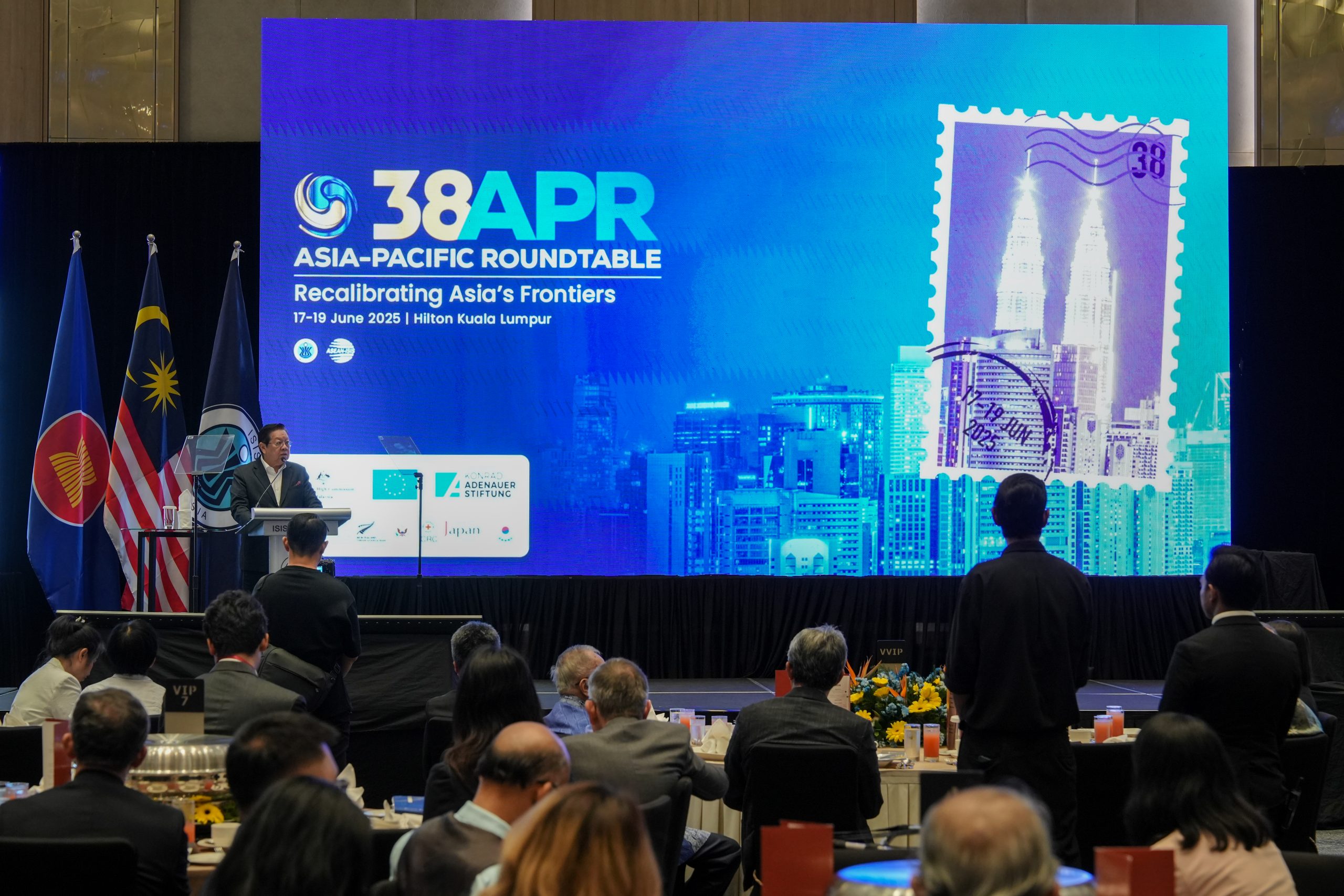
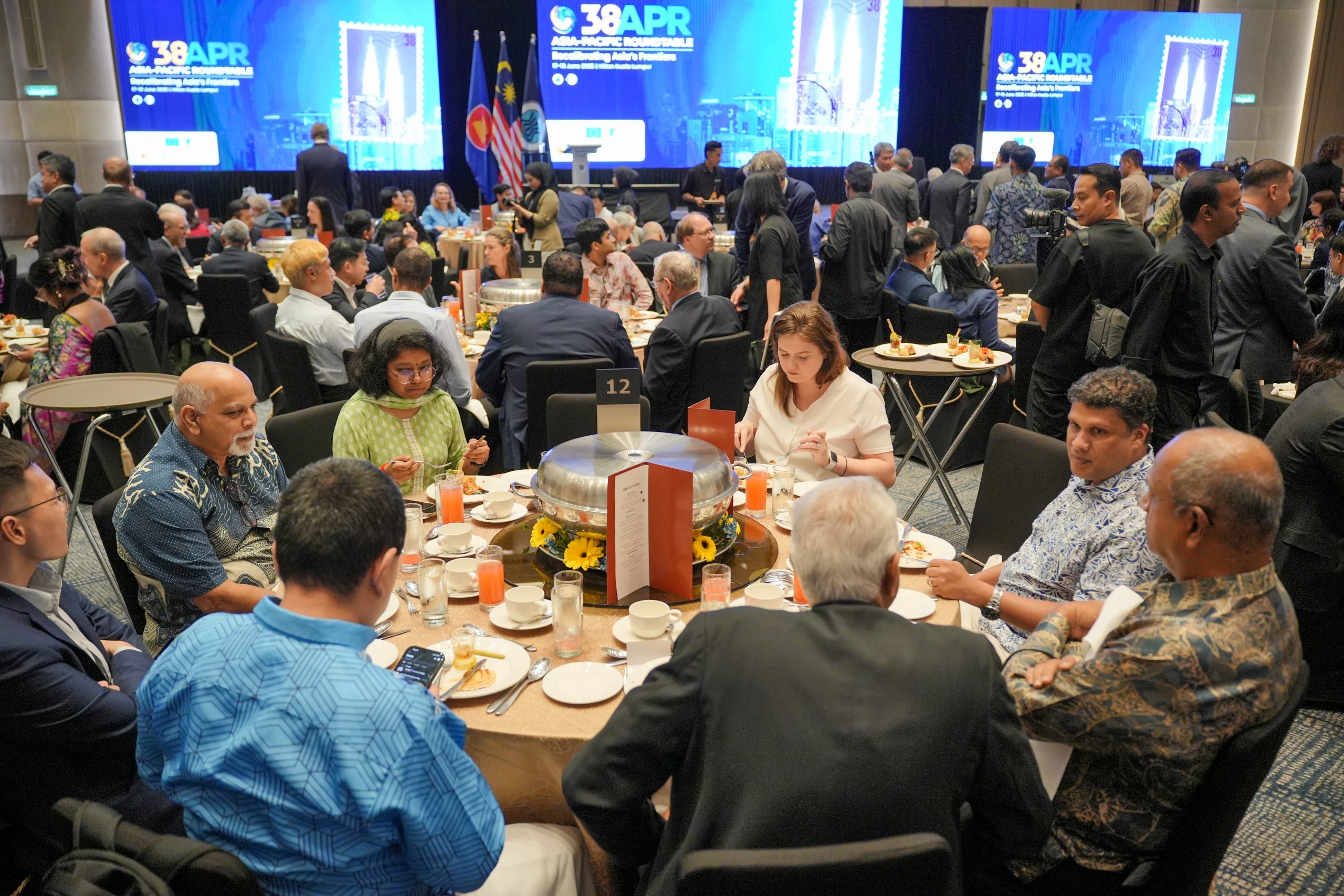
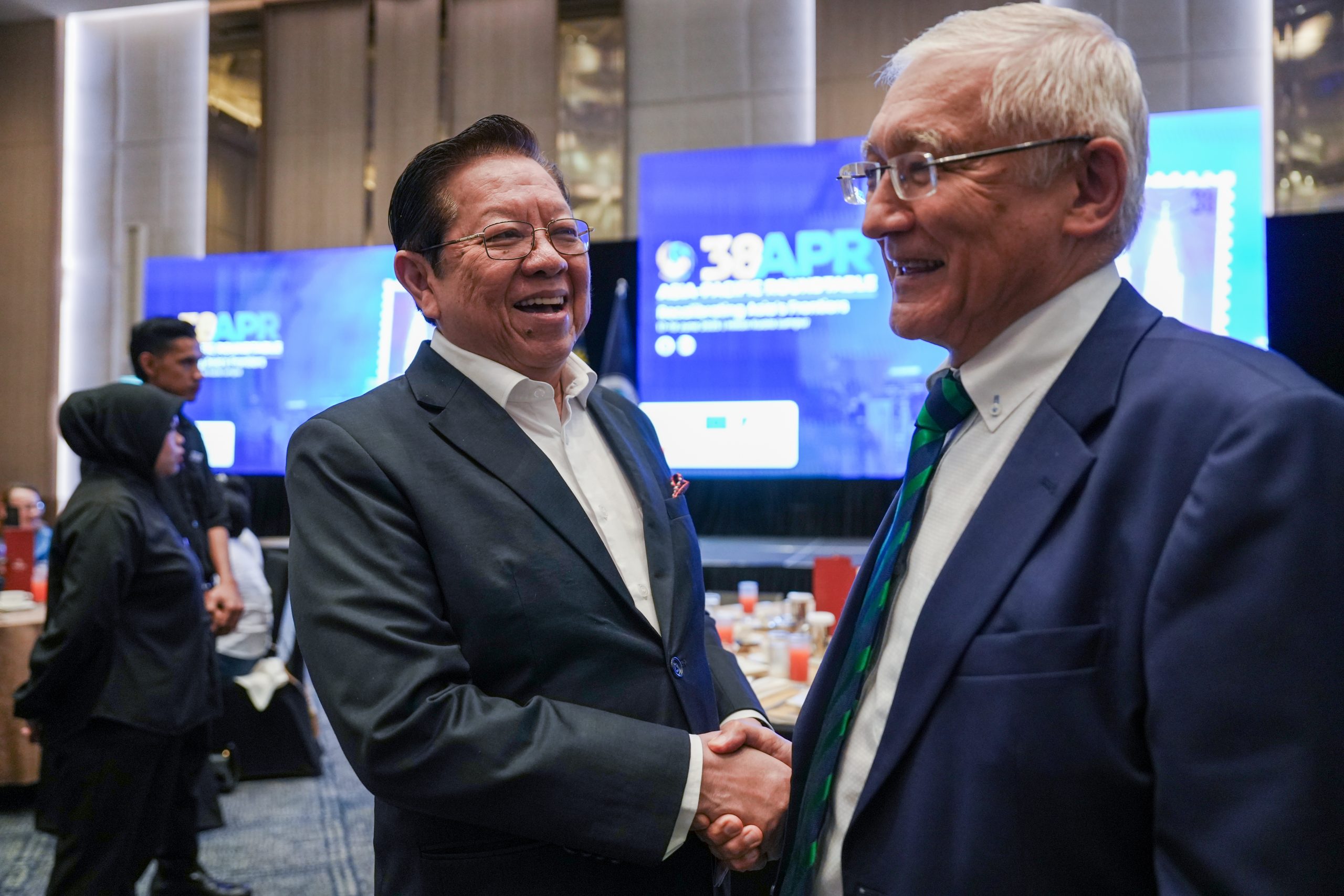
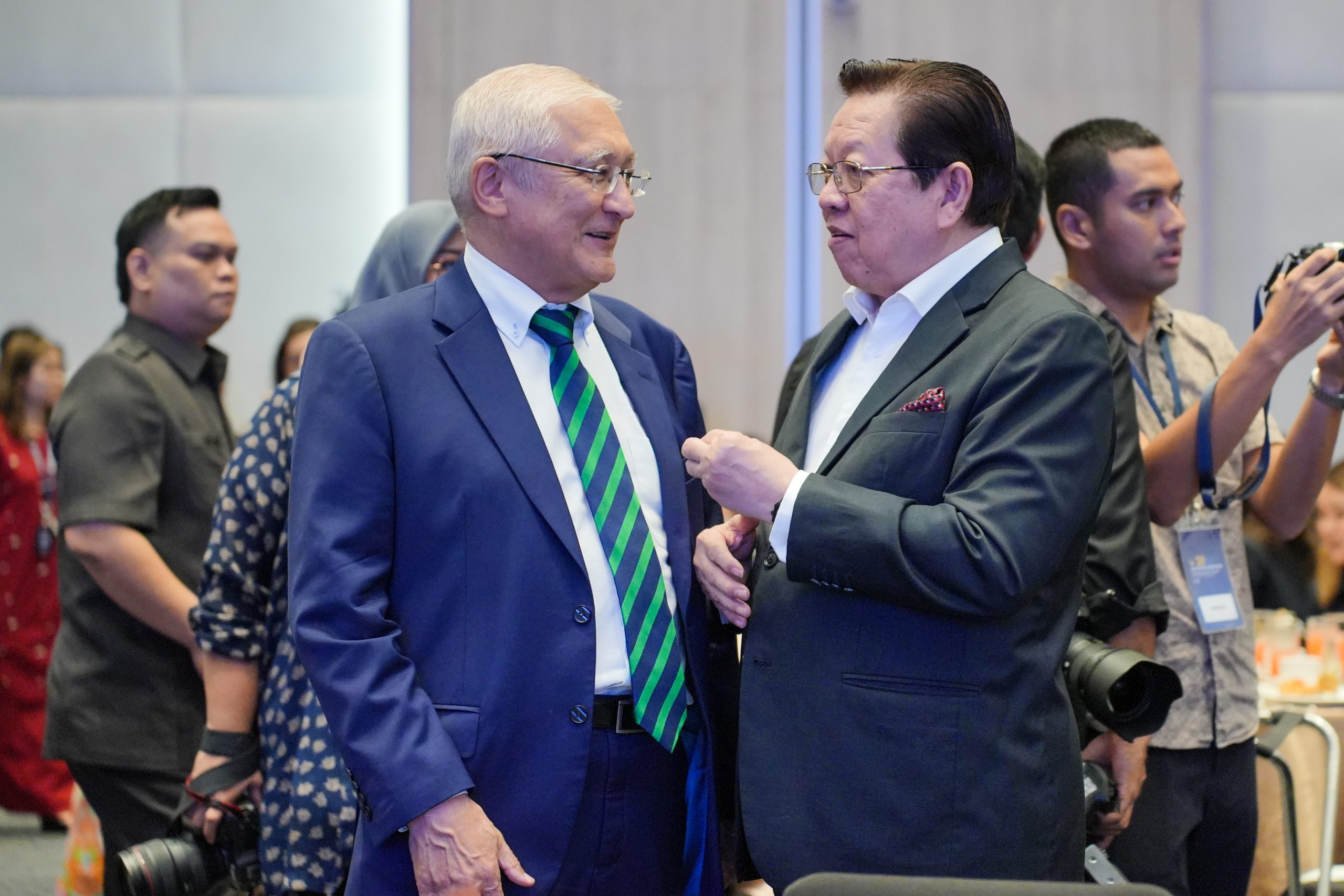
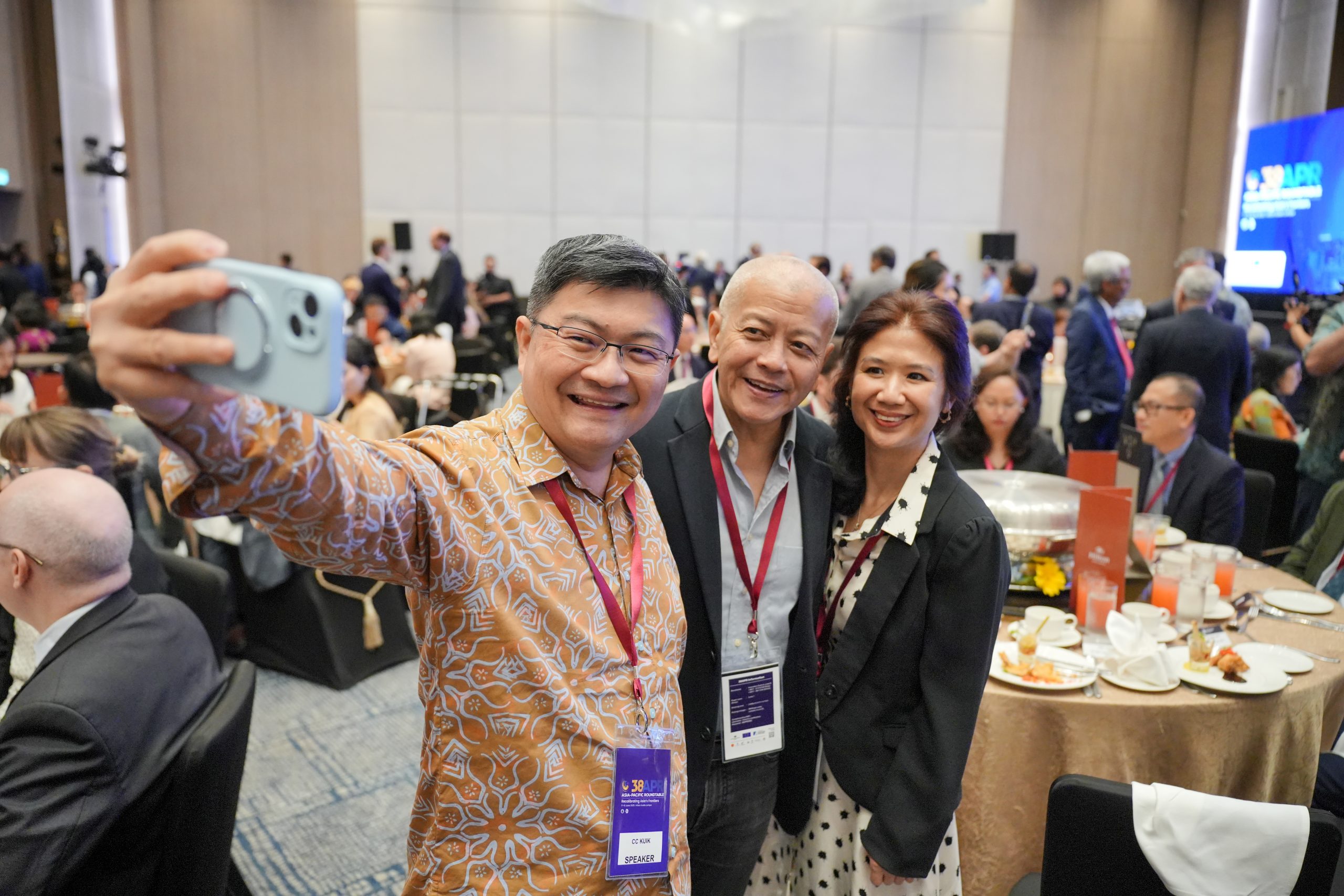
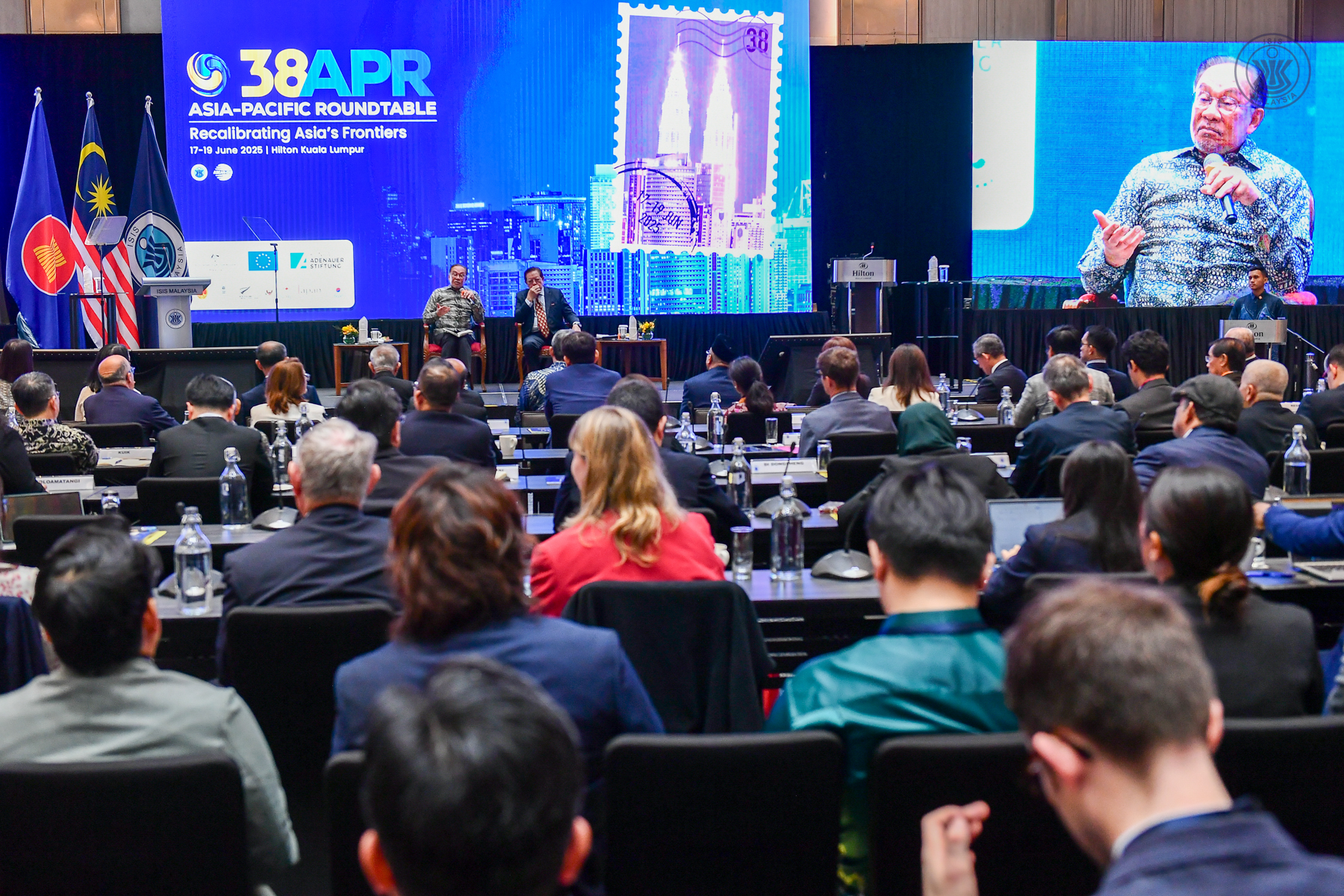
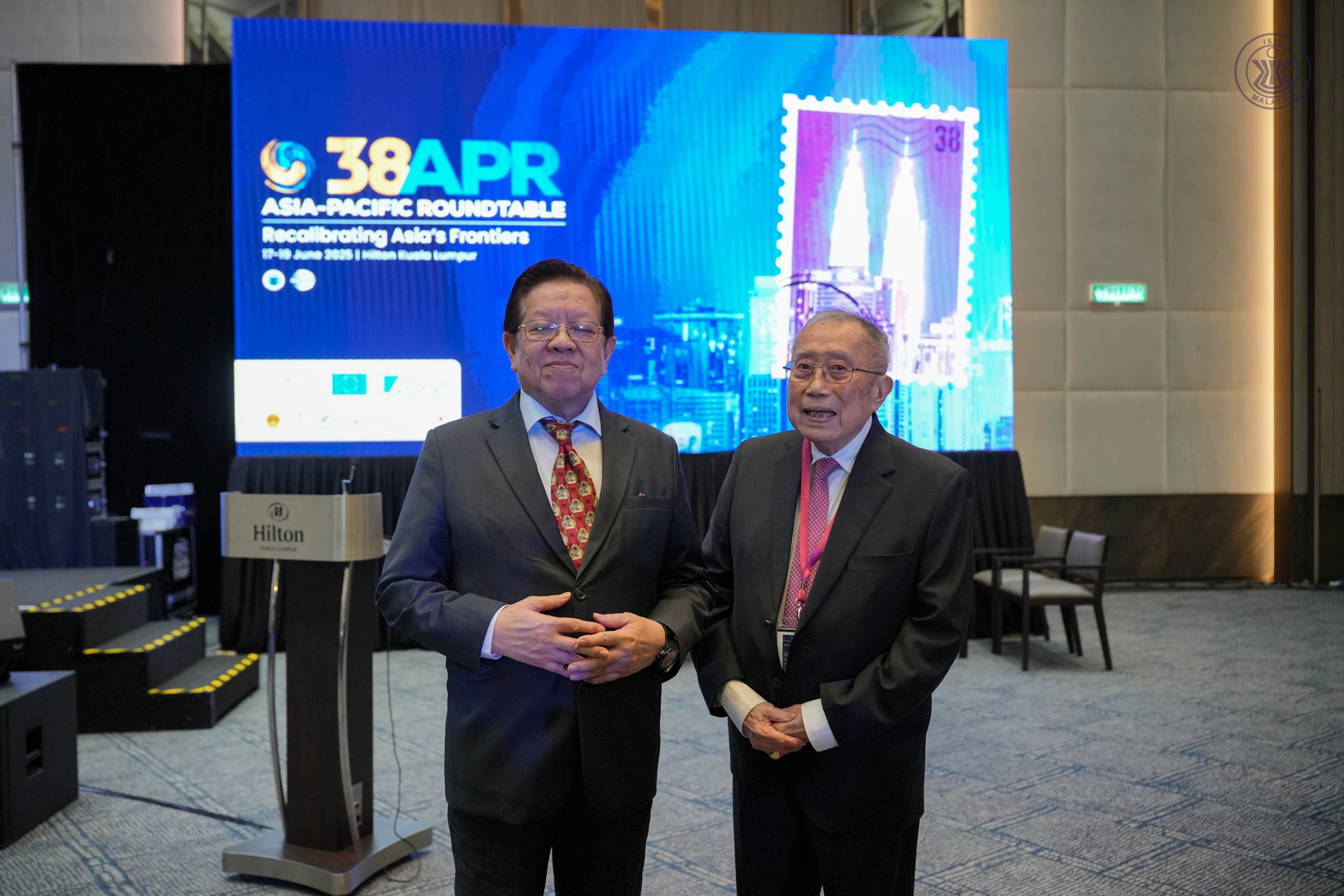
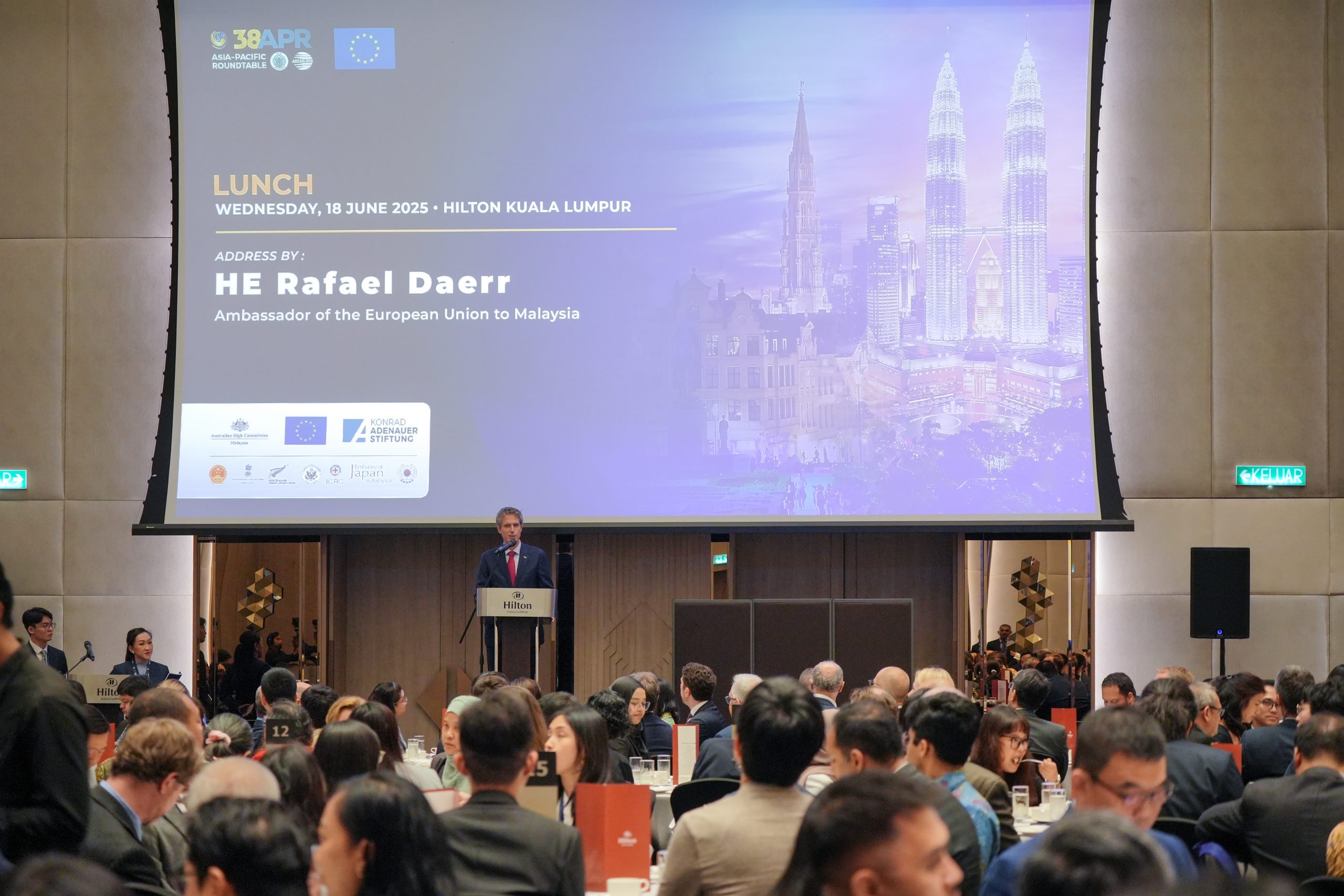
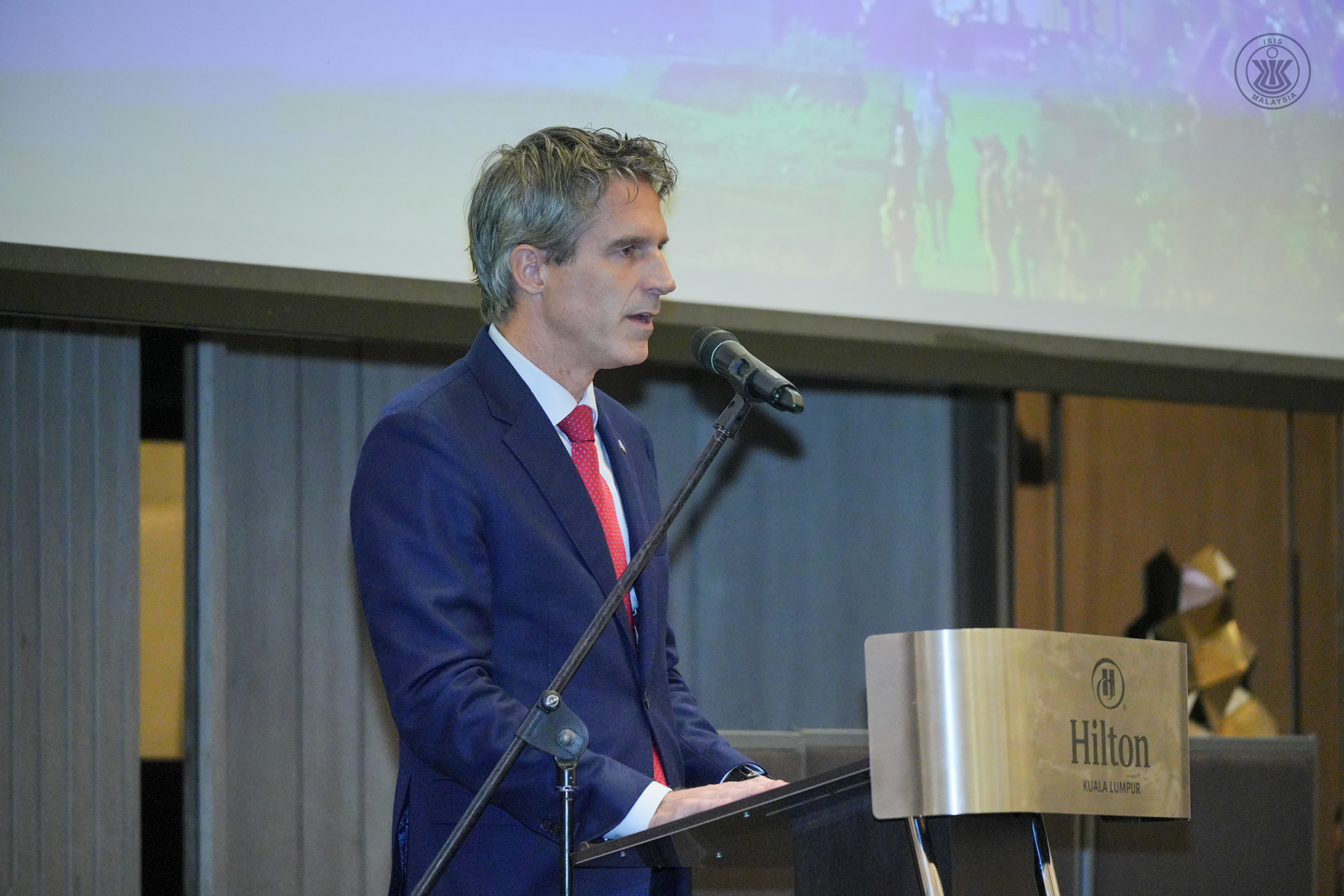
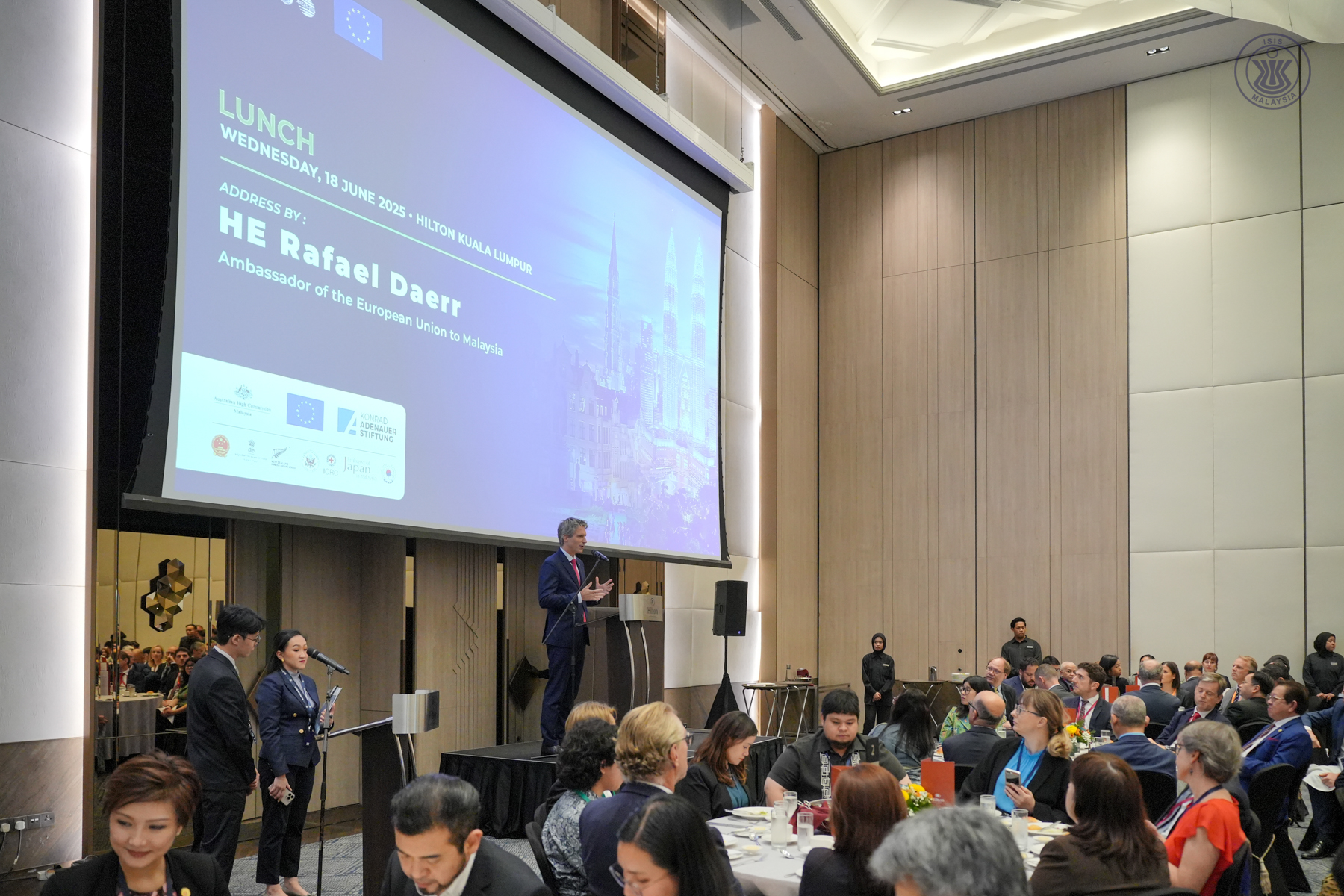
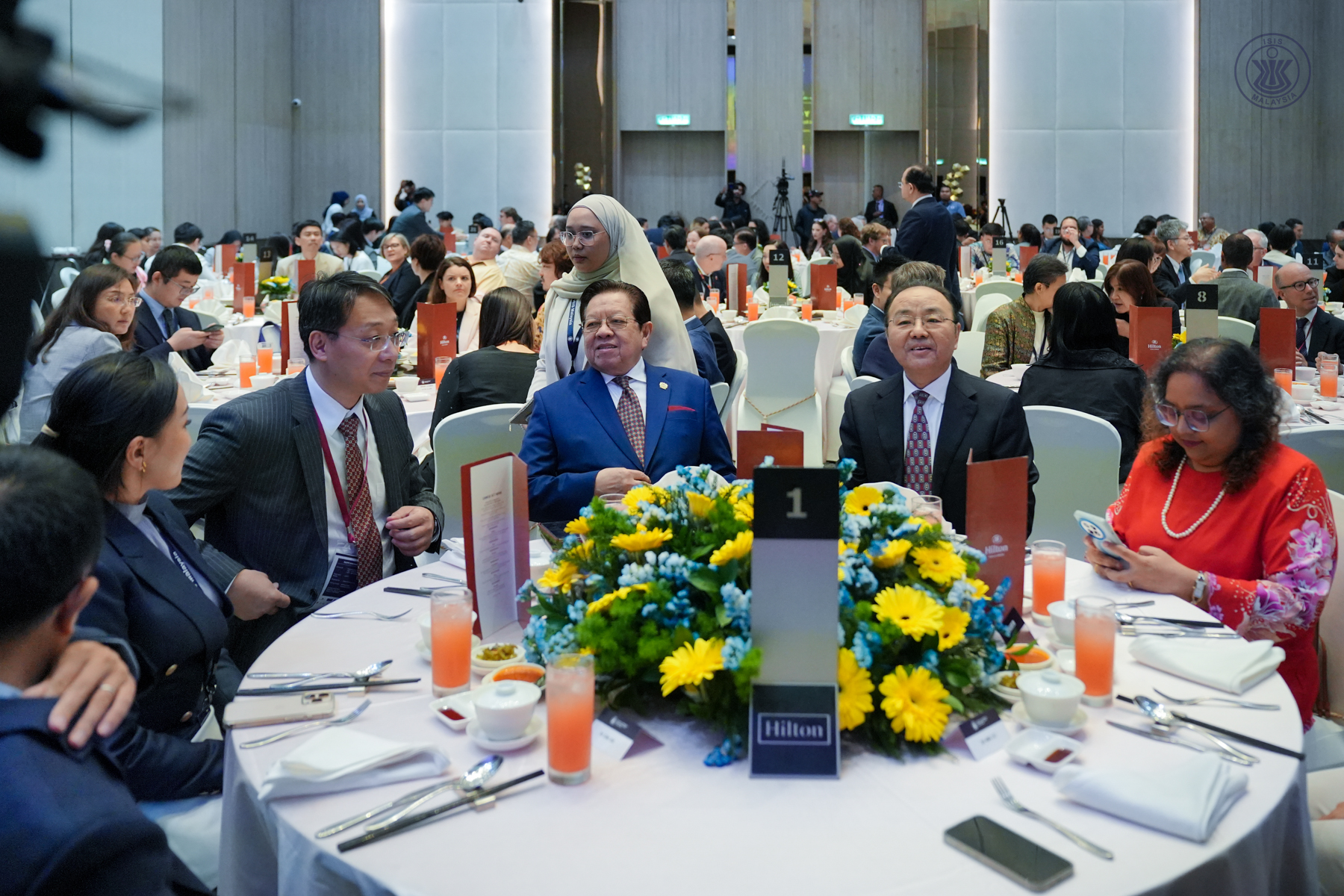
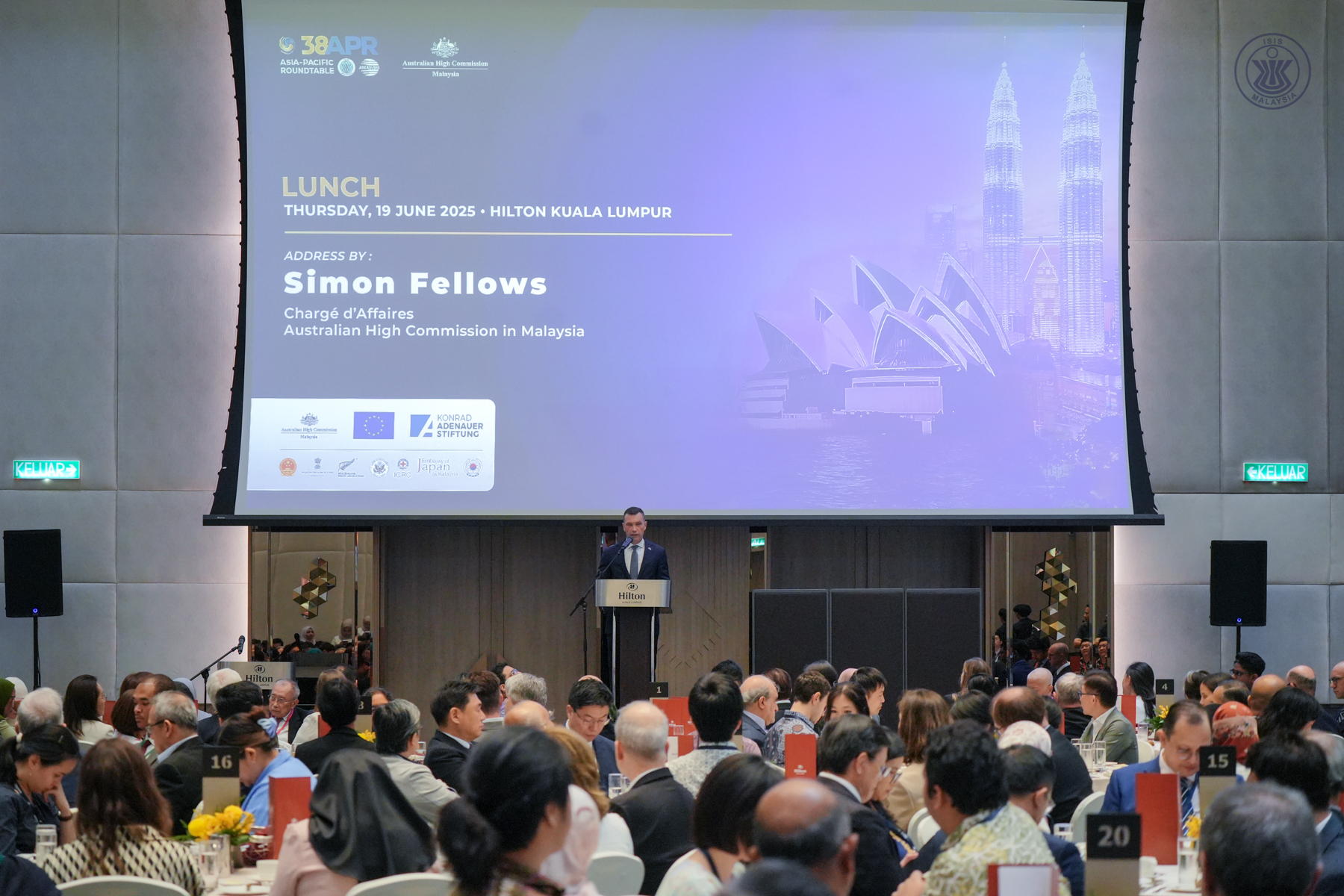
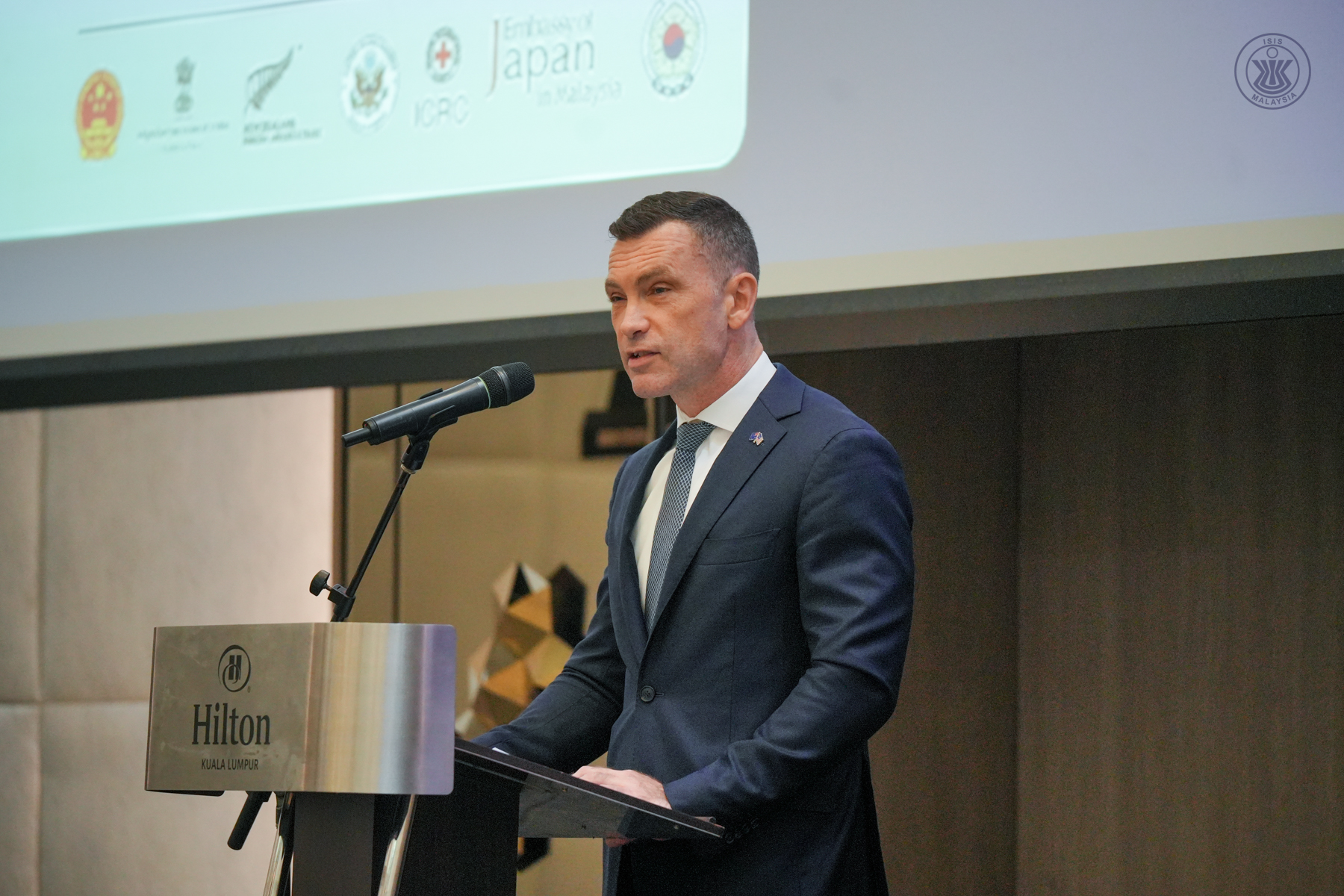
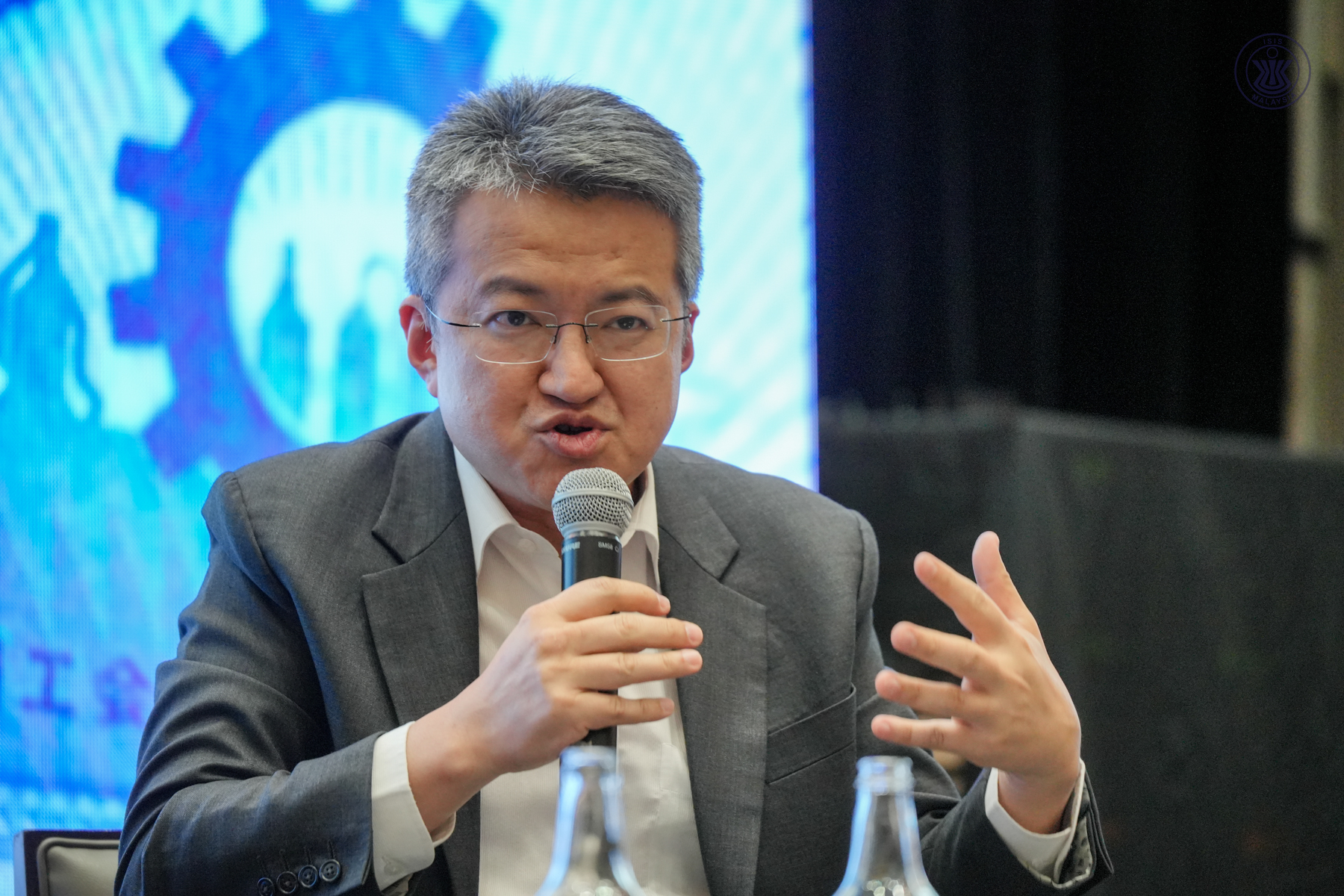
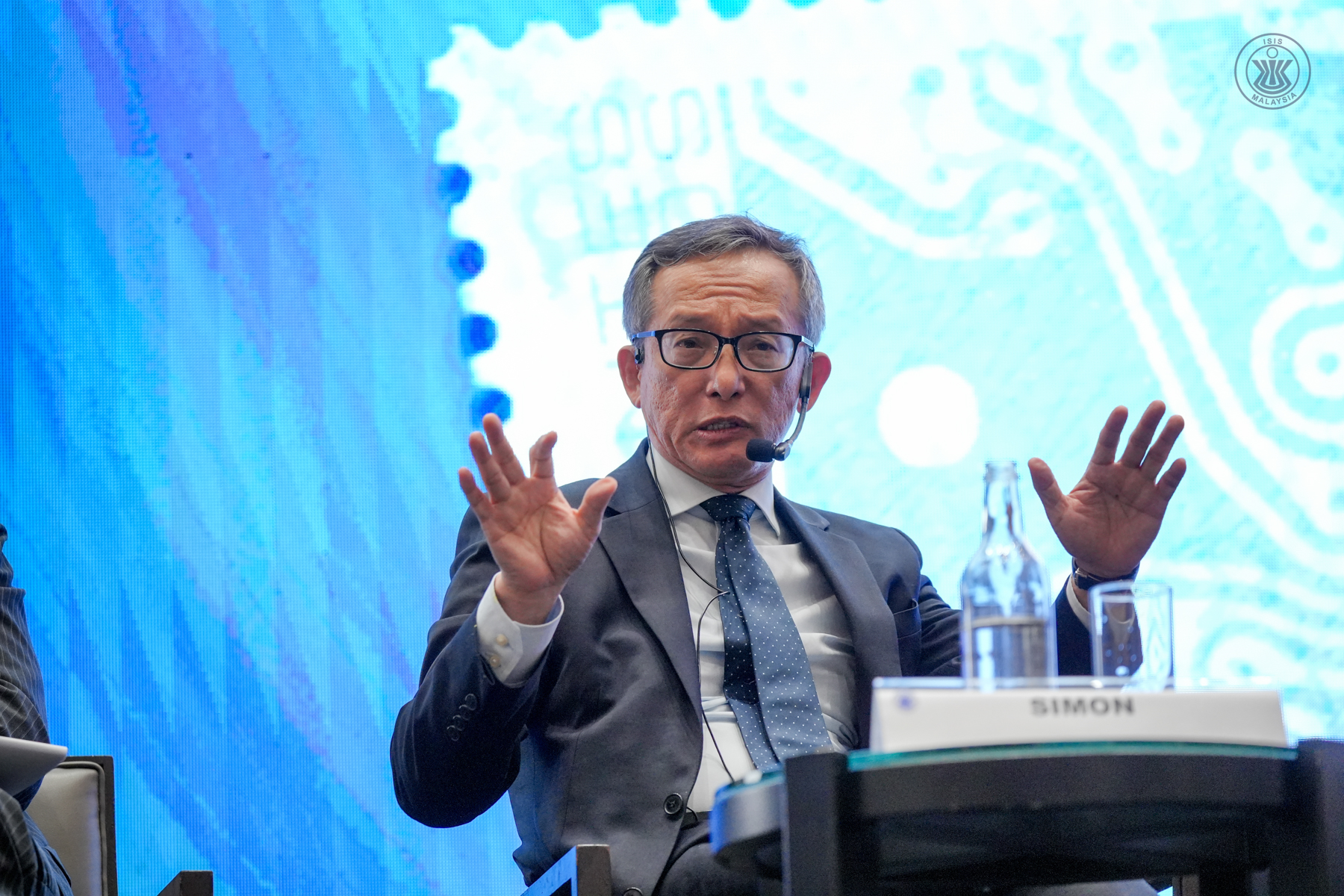
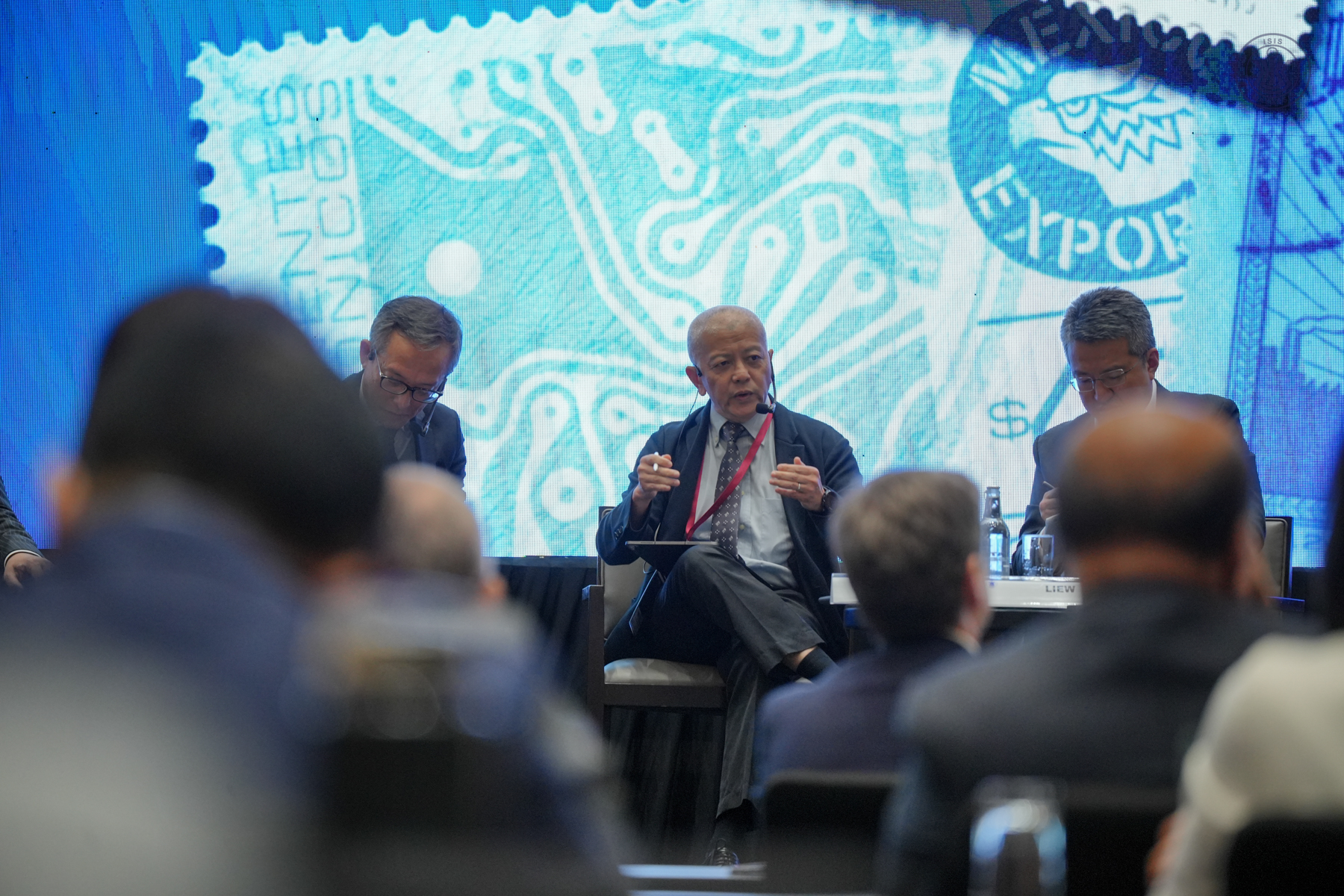
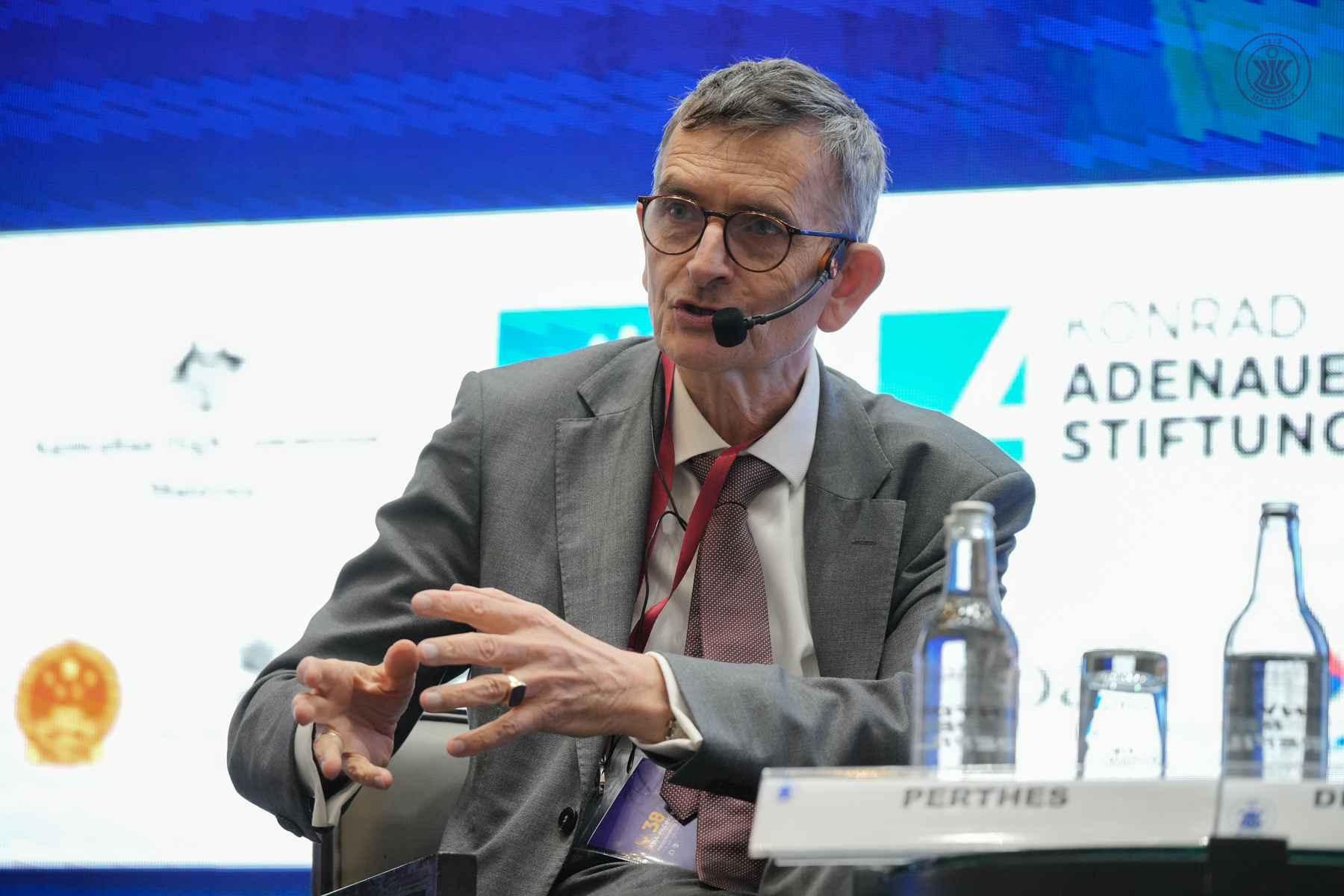
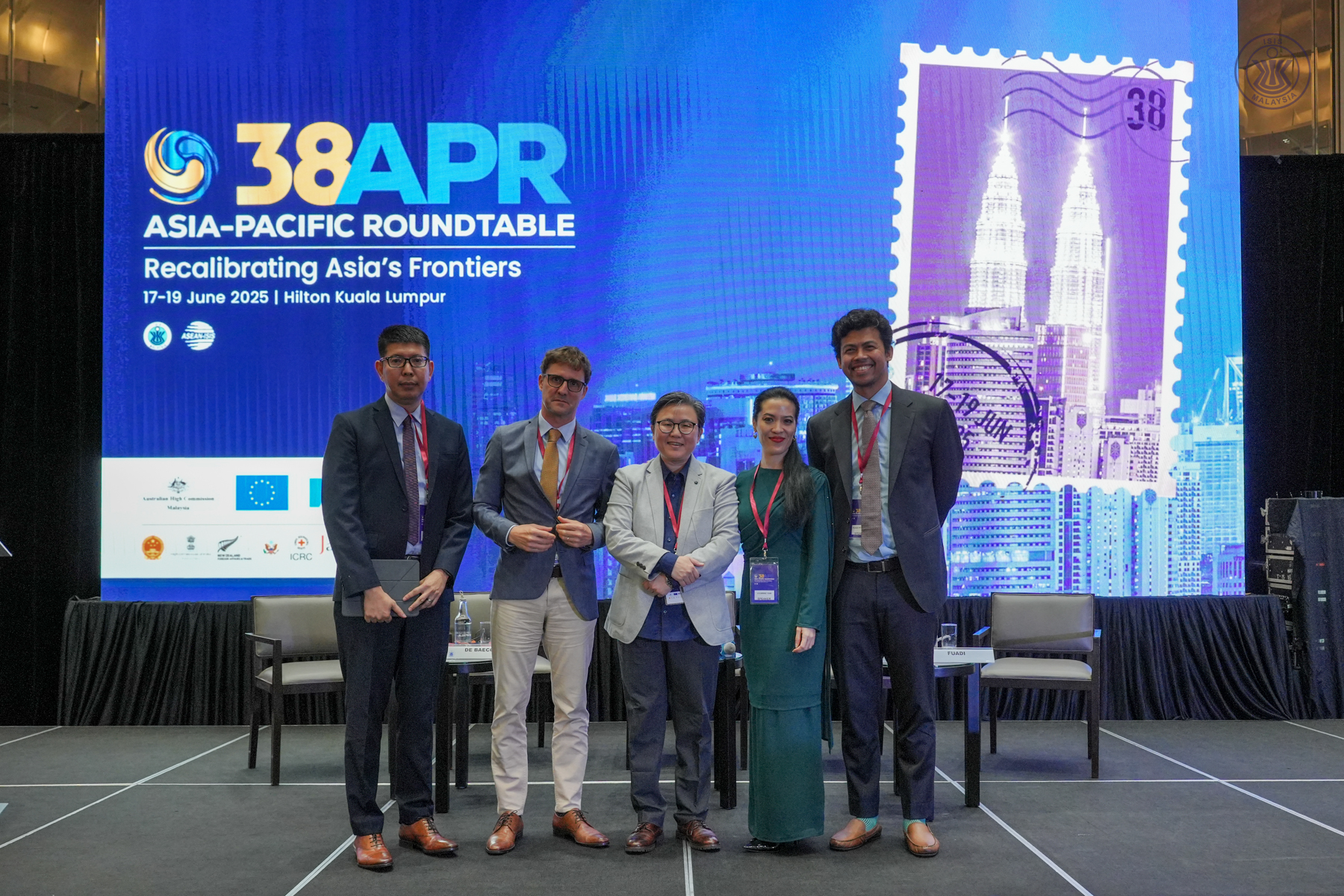
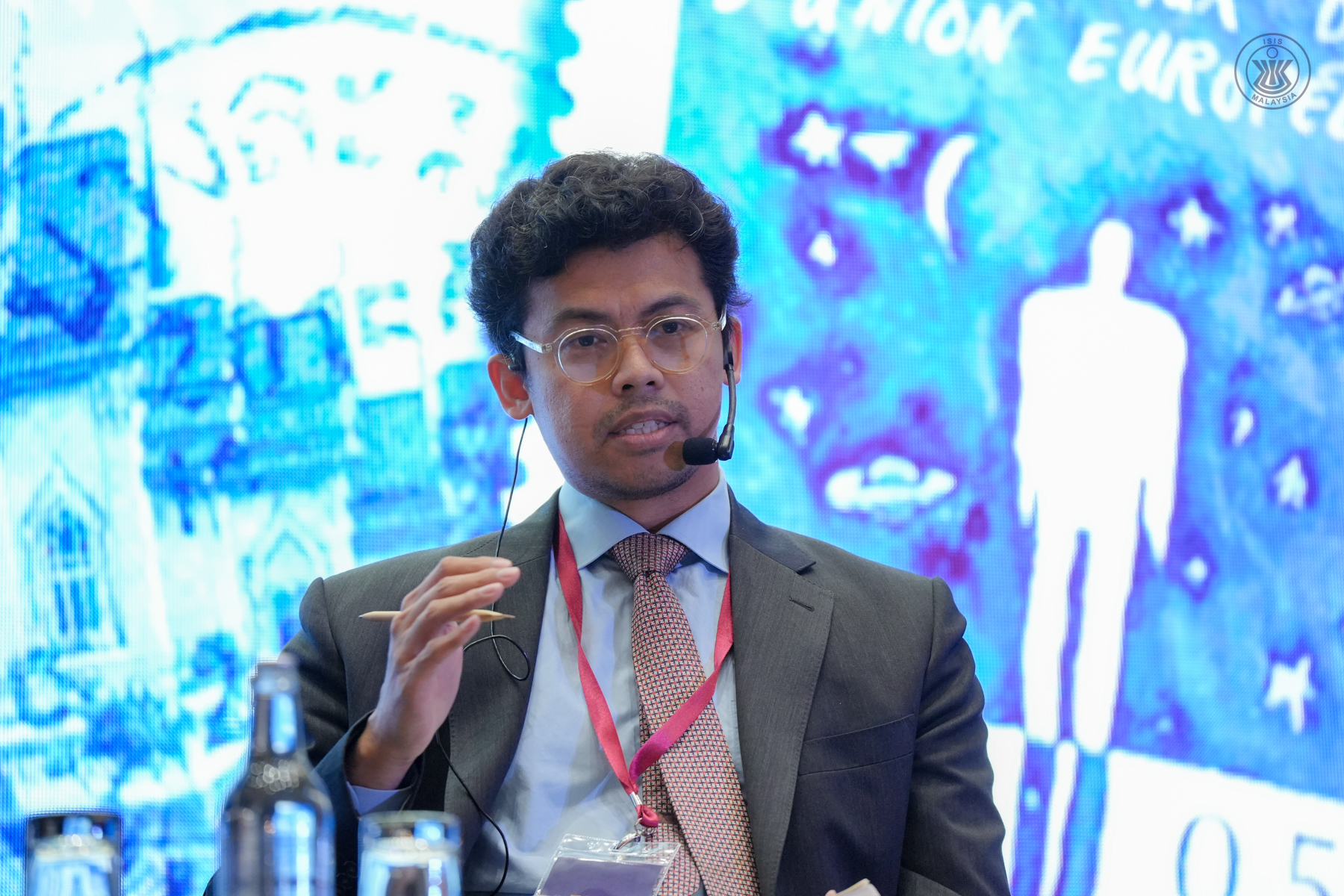
The Asia-Pacific Roundtable (APR) is the signature international conference of the Institute of Strategic & International Studies (ISIS) Malaysia. At its core, the APR is a Southeast Asian conference discussing key issues impacting on the Asia-Pacific. It is one of the region’s premier Track 2 gatherings and strategic security focused conferences.
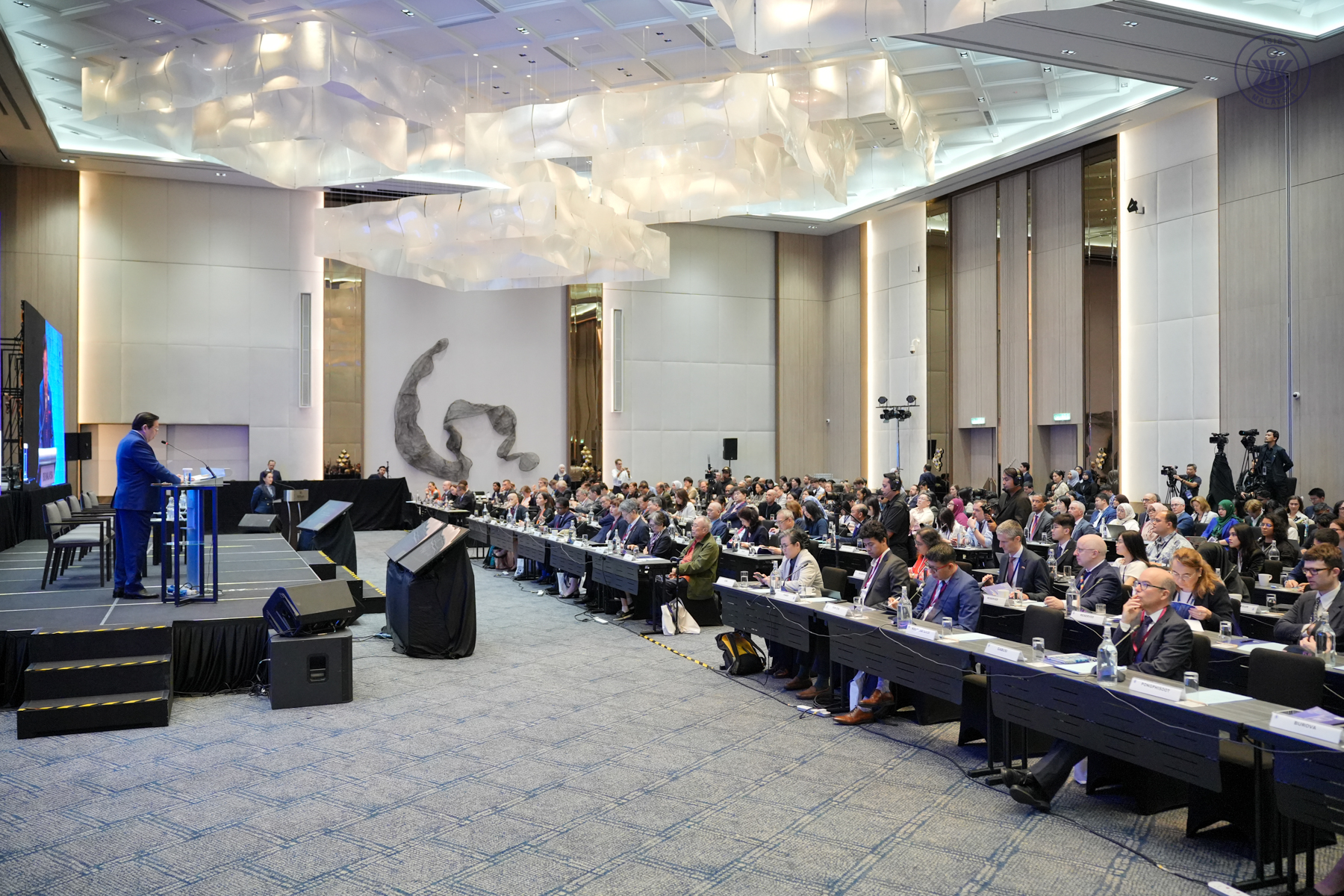
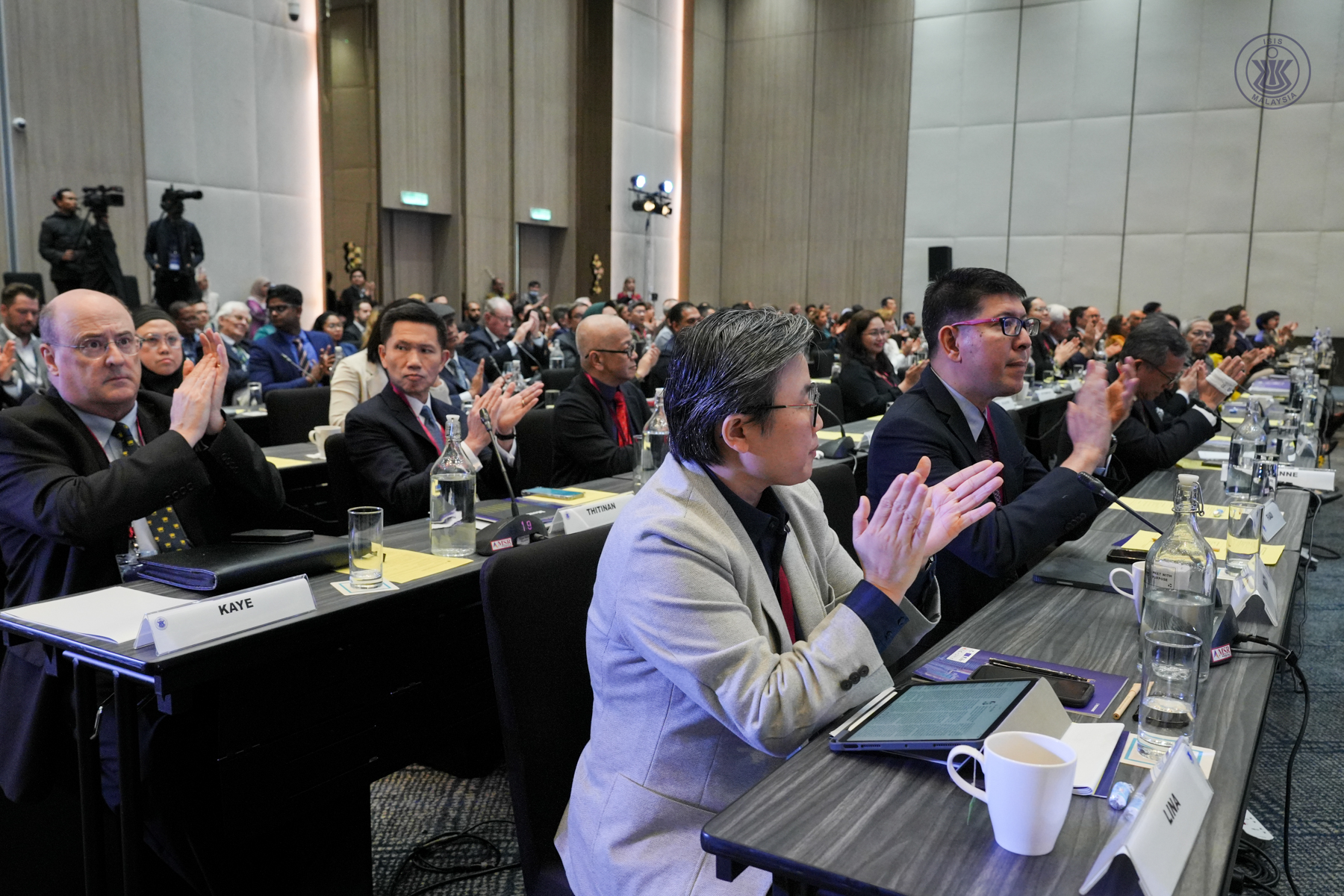
Convened by ISIS Malaysia on behalf of ASEAN-ISIS – a network of leading Southeast Asian policy institutes and think-tanks – it draws more than 300 diverse delegates for candid, constructive dialogue on the security, stability, sustainability and prosperity of the Asia-Pacific. APR is a key part in the circuit of conferences that provide insights into how businesses and governments can navigate an increasingly complex strategic landscape.
This year, sessions are shaped around the theme ‘Recalibrating Asia’s Frontiers’. As the world grapples with the effects in this period of interregnum, our deliberations aim to explore how existing geopolitical and geoeconomic frontiers of the Asia-Pacific have changed.
These areas include normative and ideological considerations that influence peace, security and conflict in this region; the conceptual boundaries shaping maritime security; Asia’s intra-and-extra regional trade relationships and the United States’ role in a changing Asia.
38APR will also feature sessions examining the dynamics of leadership in Southeast Asia and the polycrisis in Myanmar.
Every year, the Asia-Pacific Roundtable brings together:
Registration for 38APR welcoming dinner
Foyer, Ballroom A & B, Level 6
1800-1815
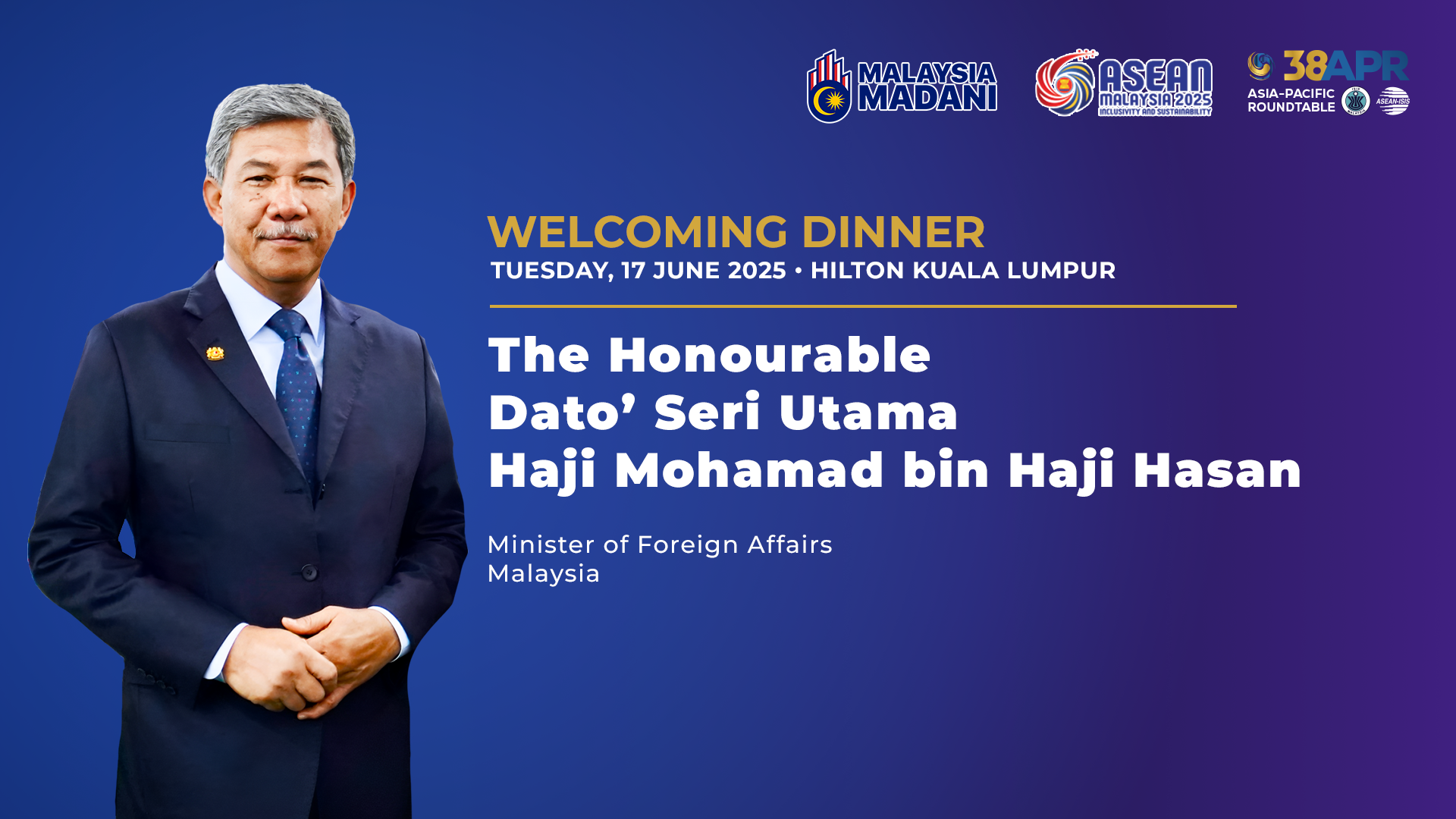
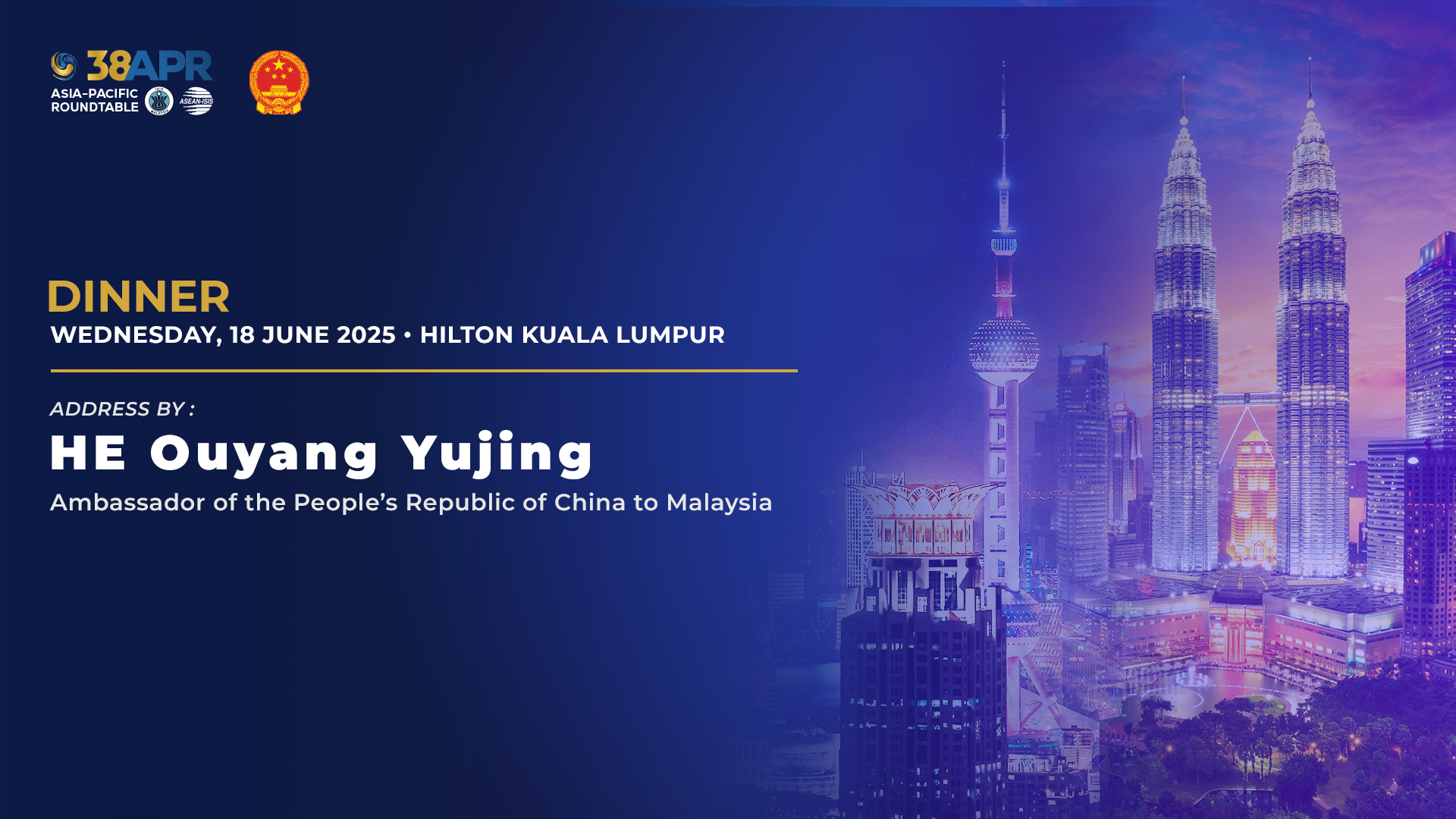
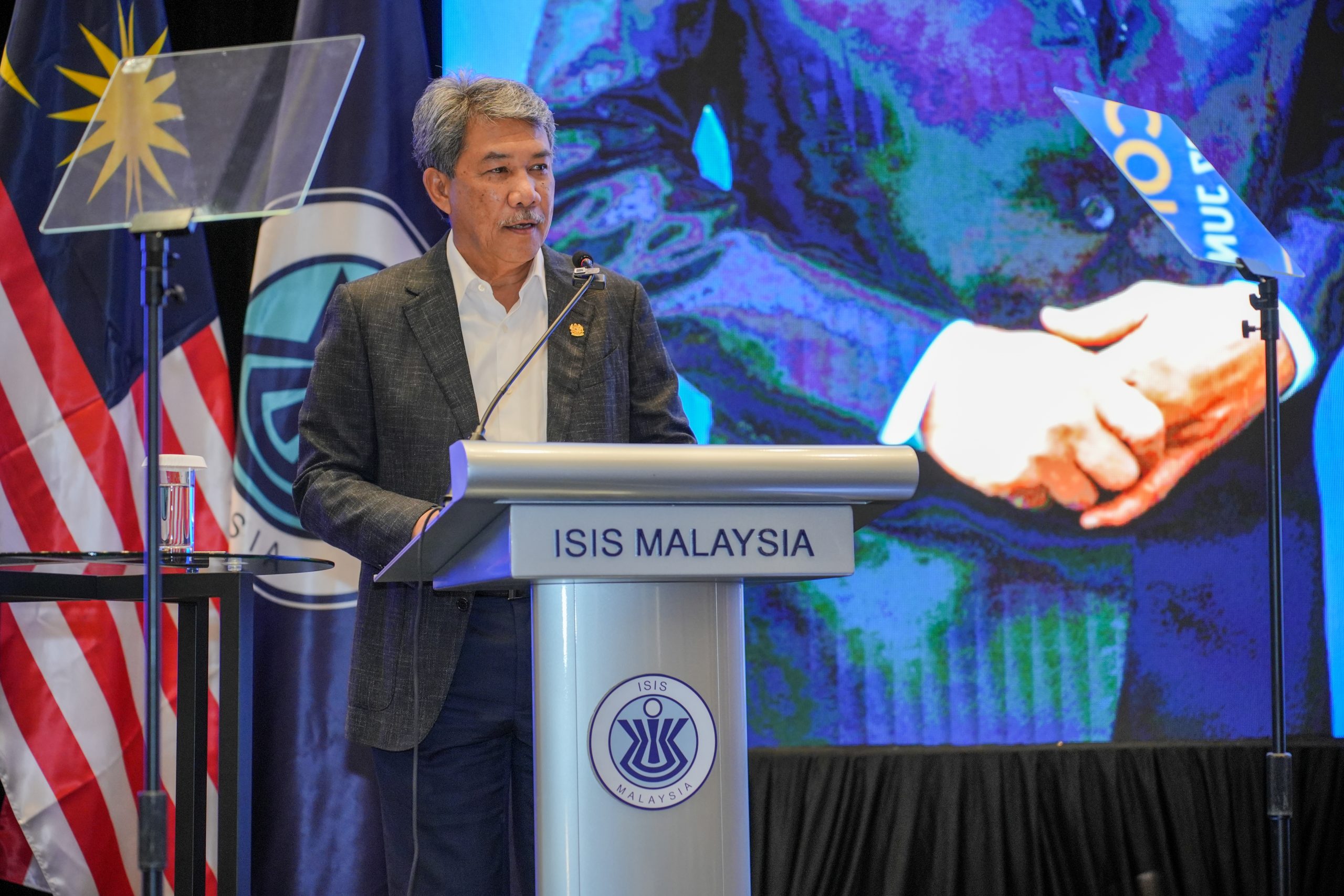
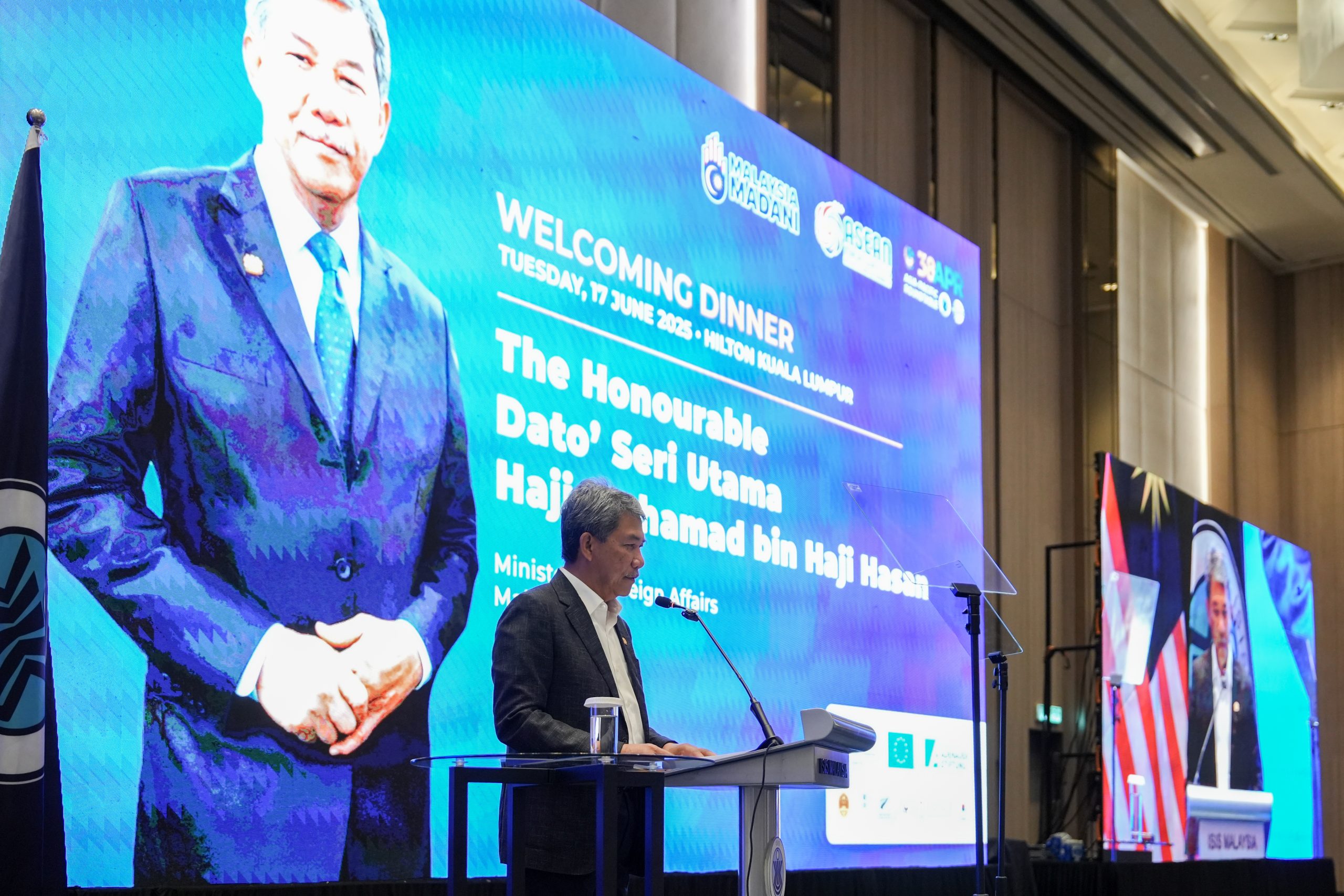
Dinner address by The Honourable Dato Seri Utama Haji Mohamad bin Haji Hasan
Minister of Foreign Affairs of Malaysia
1815-2000
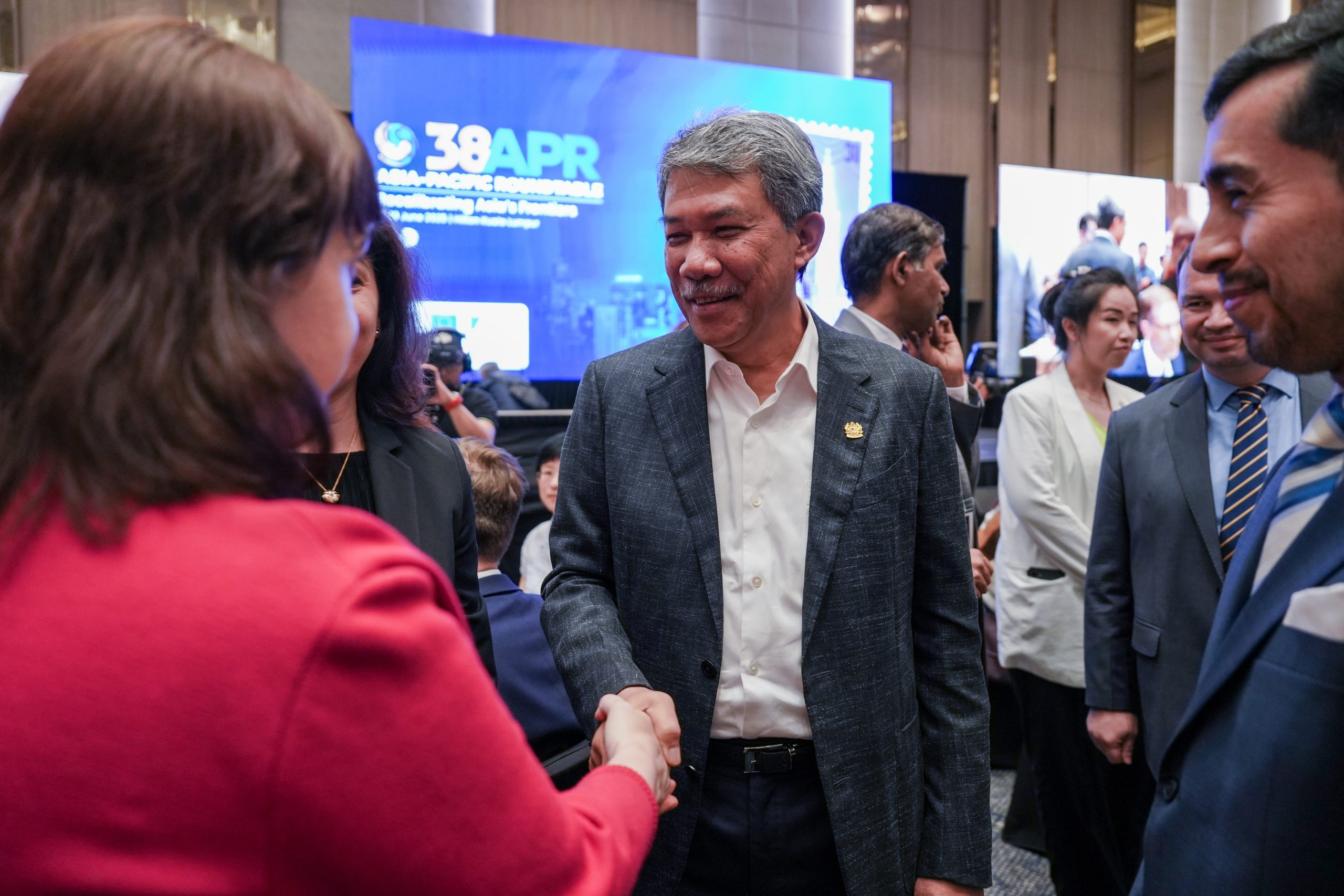
Welcoming dinner
Ballroom A & B, Level 6
Wednesday, 18 June 2025
0800-0915
Registration
Foyer, Ballroom A & B, Level 6
0915-0930
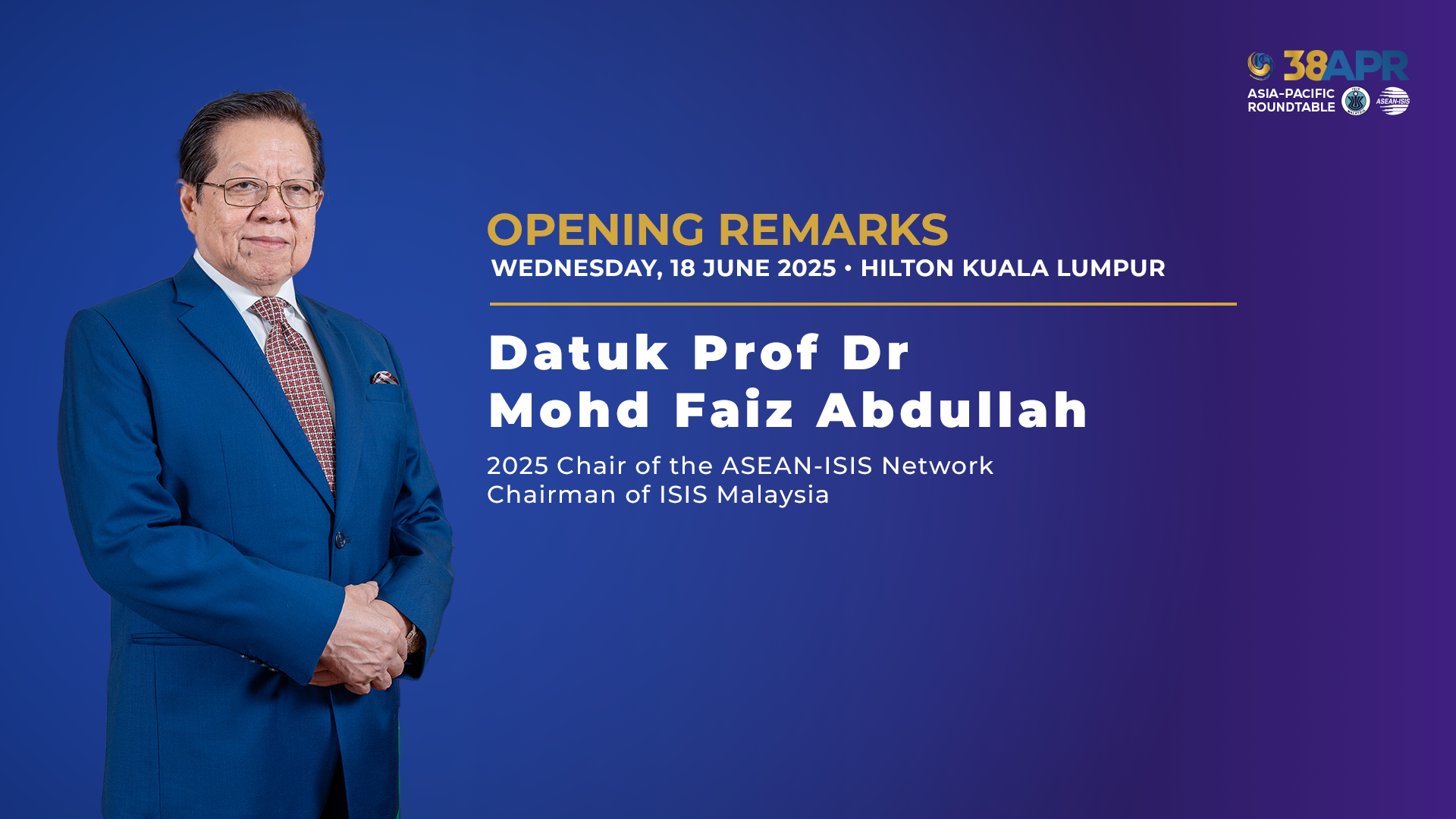
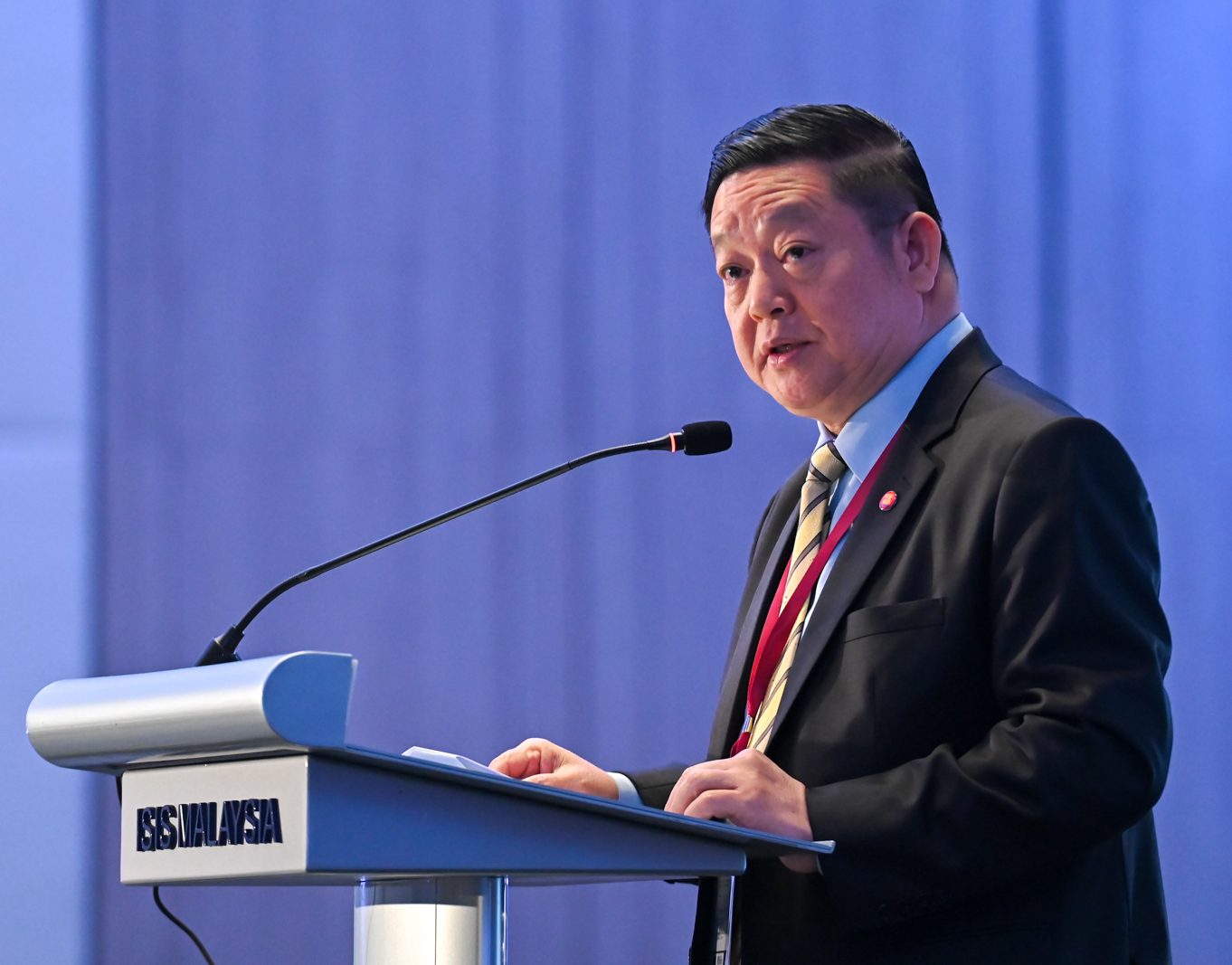
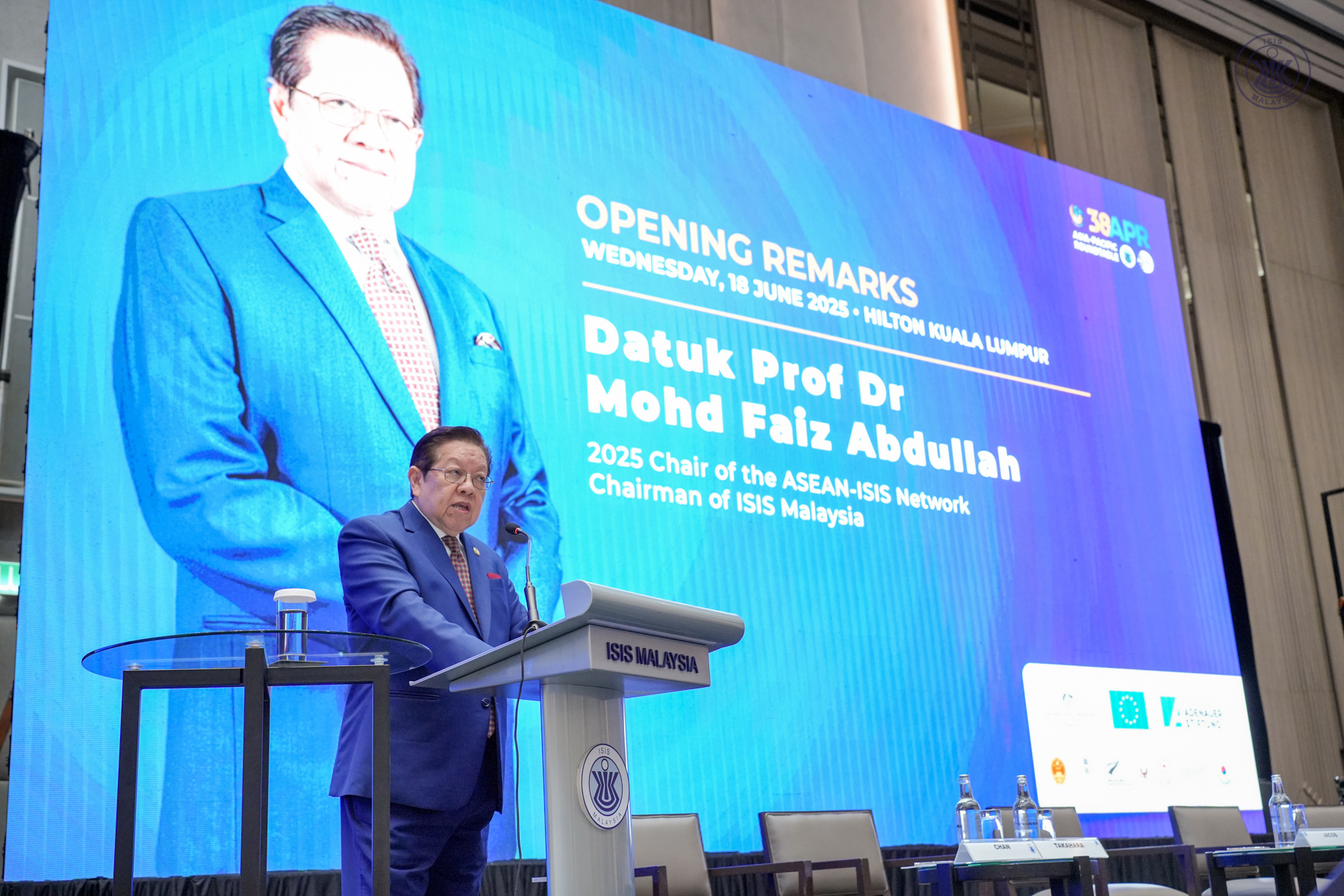
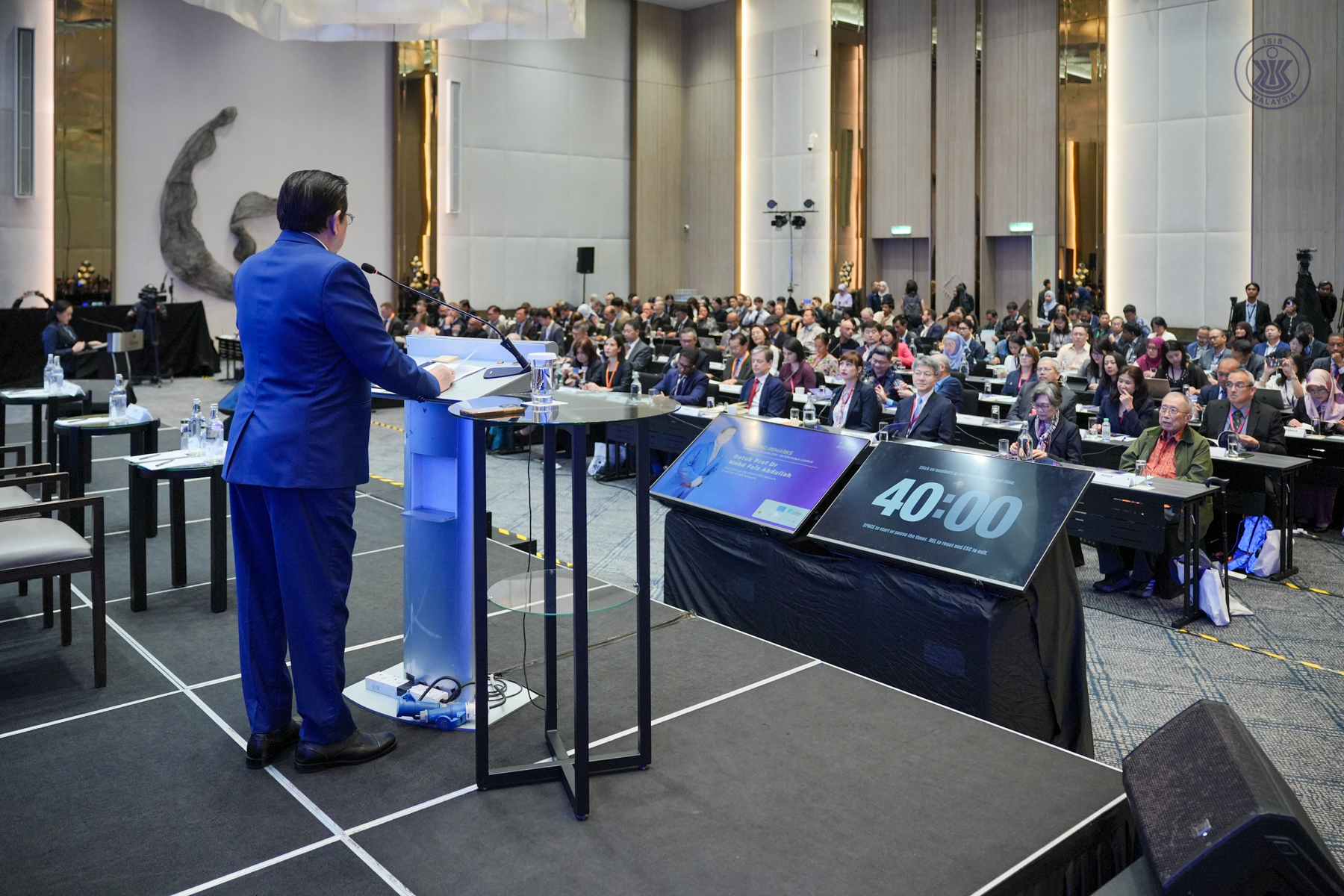
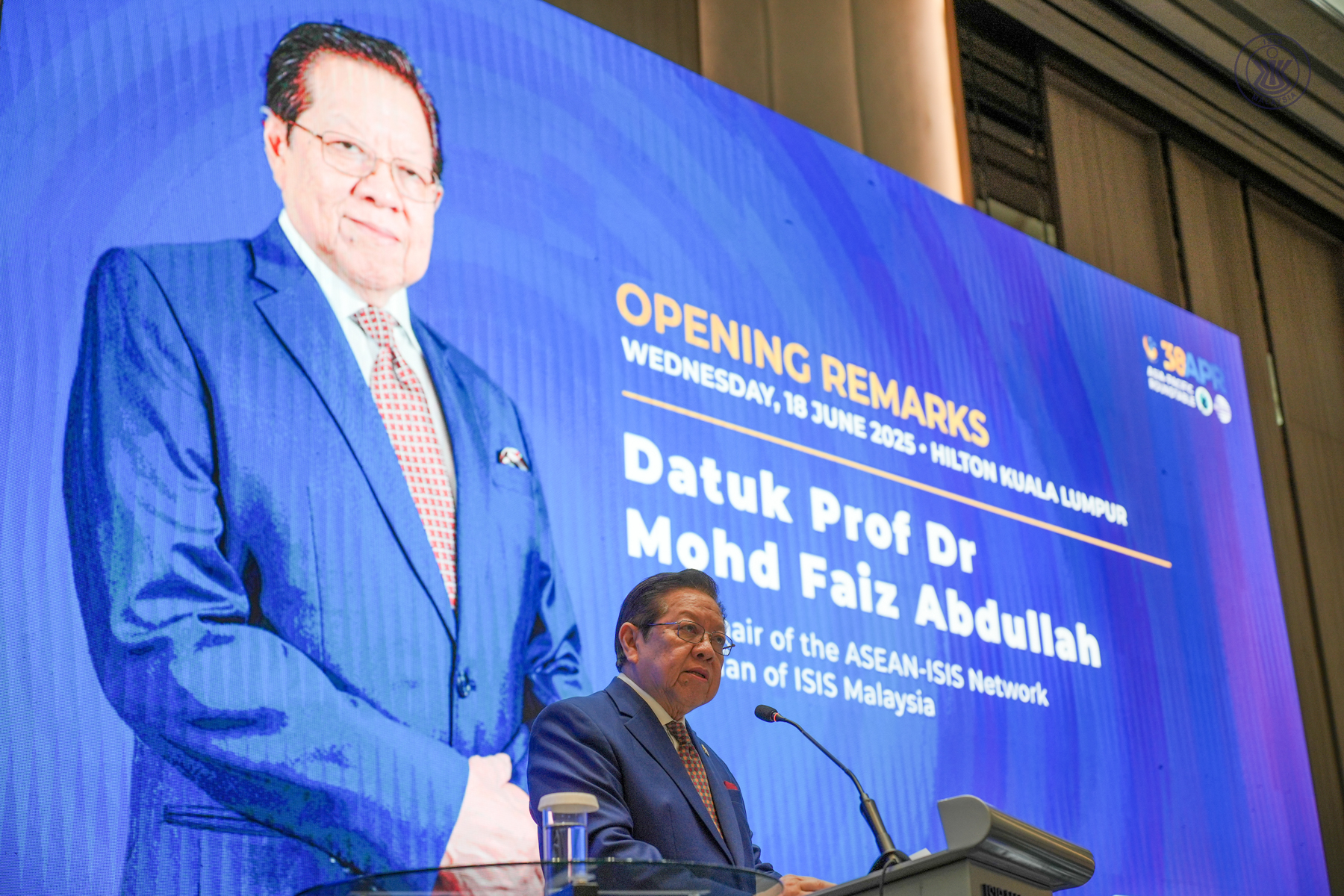
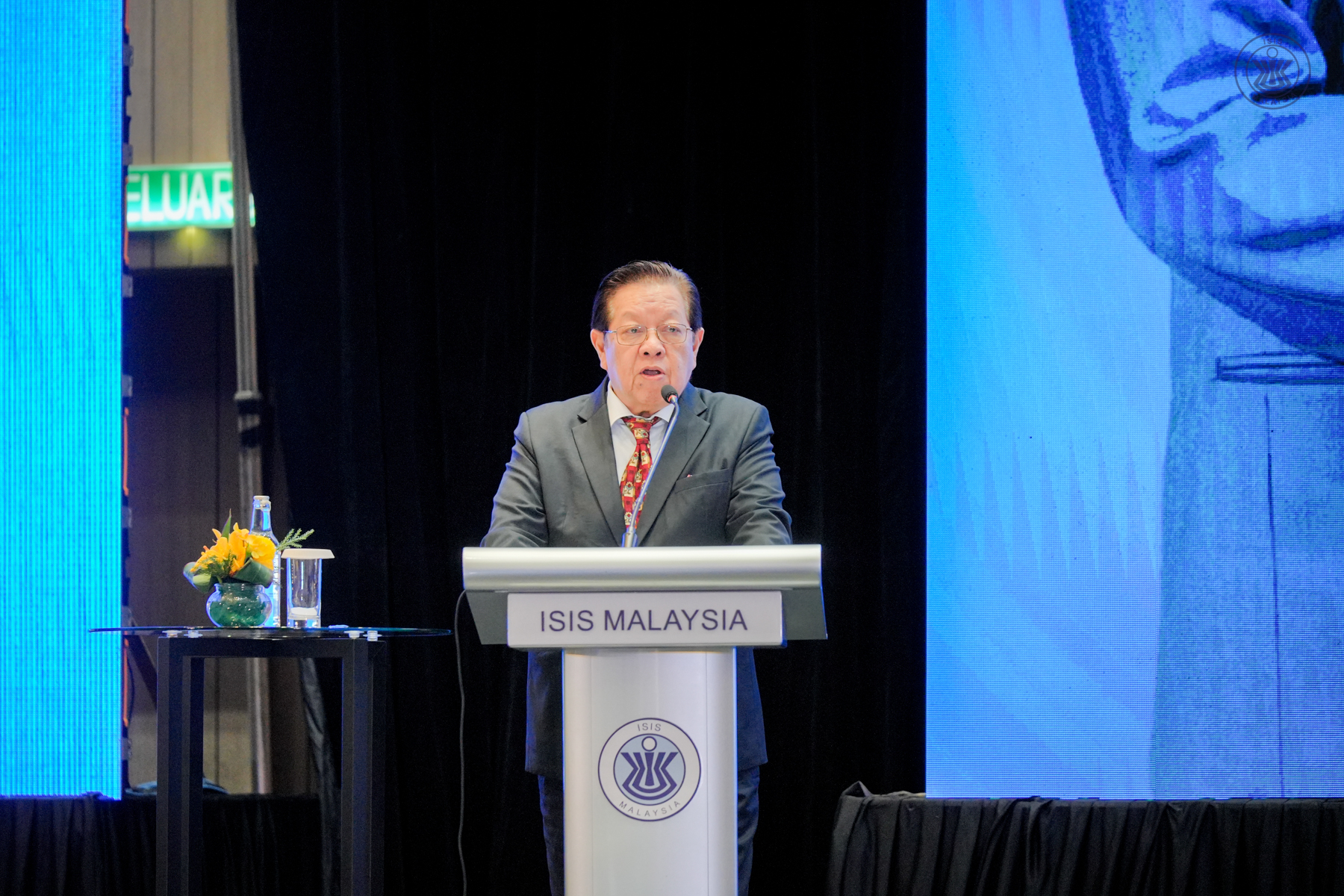
Opening remarks by Datuk Prof Dr Mohd Faiz Abdullah
2025 Chair of the ASEAN-ISIS Network, Chairman of ISIS Malaysia
0930-1100
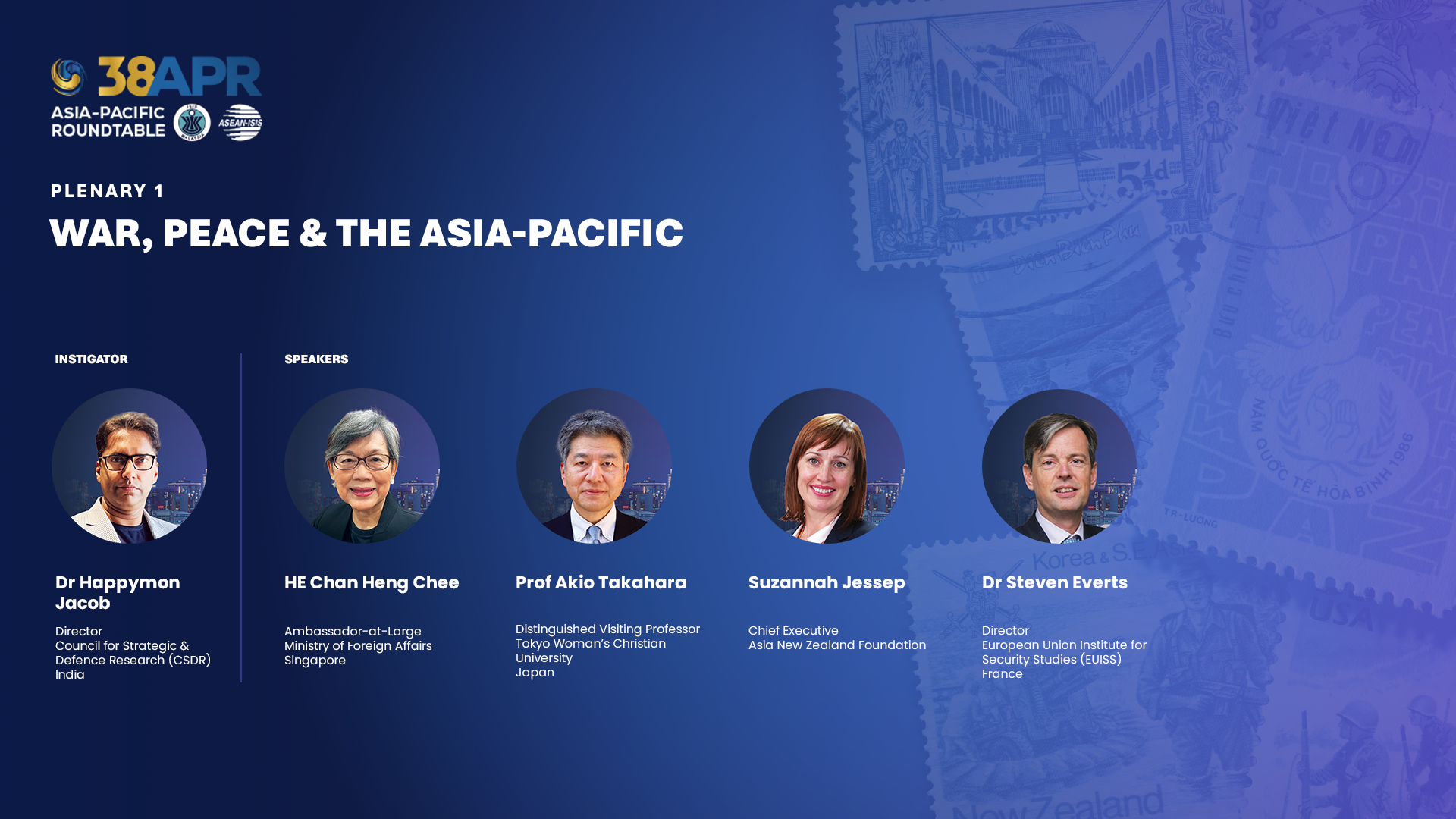
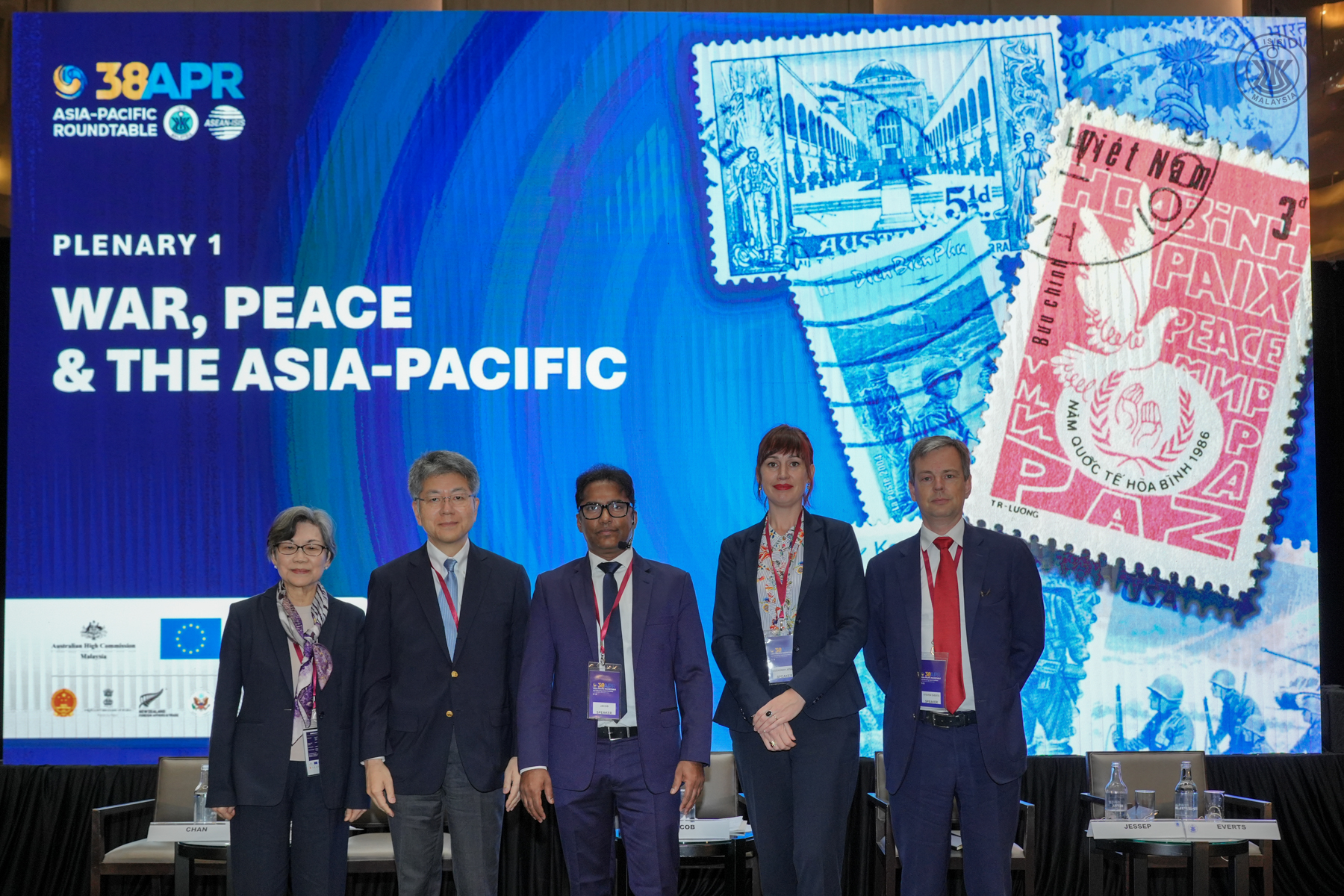
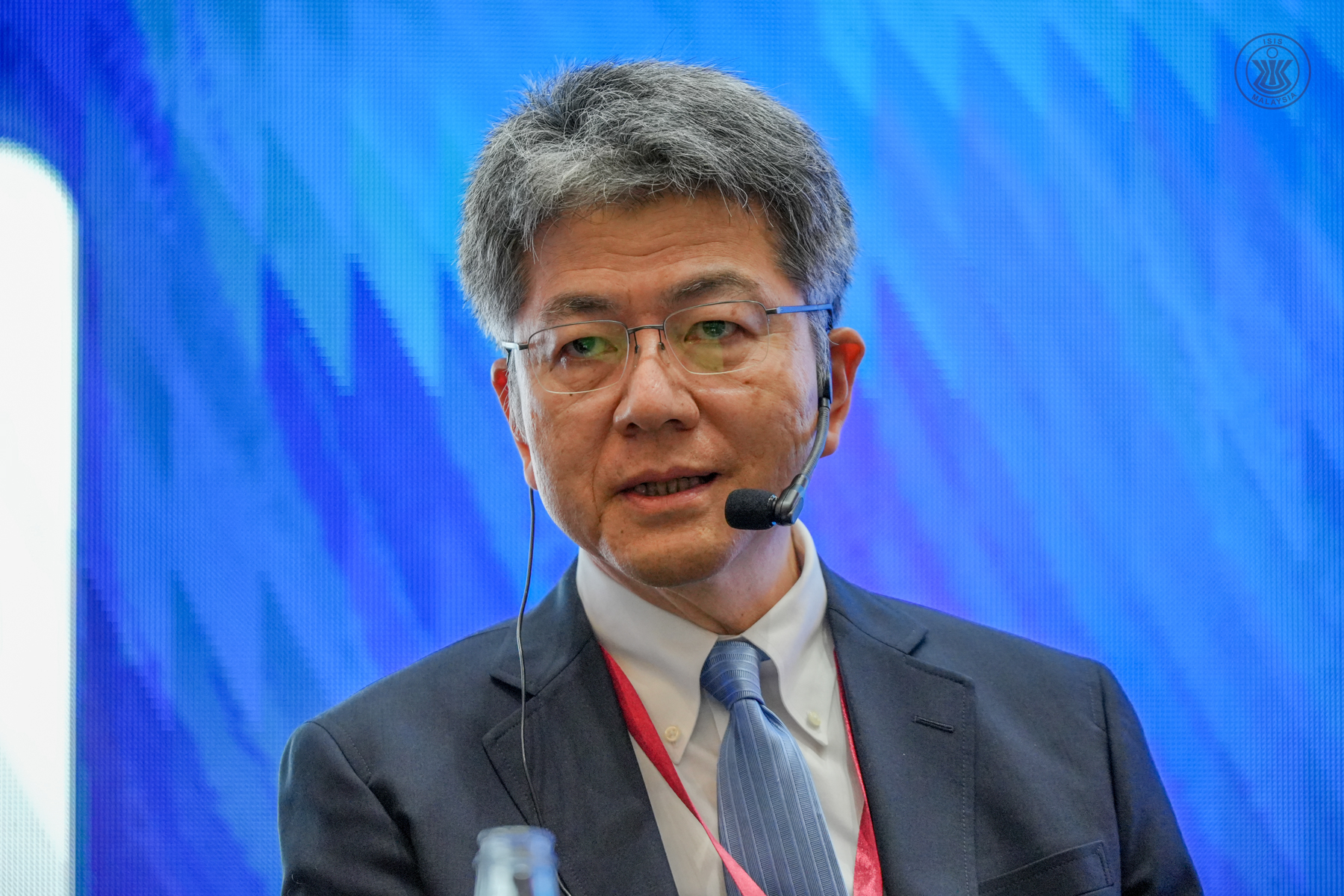
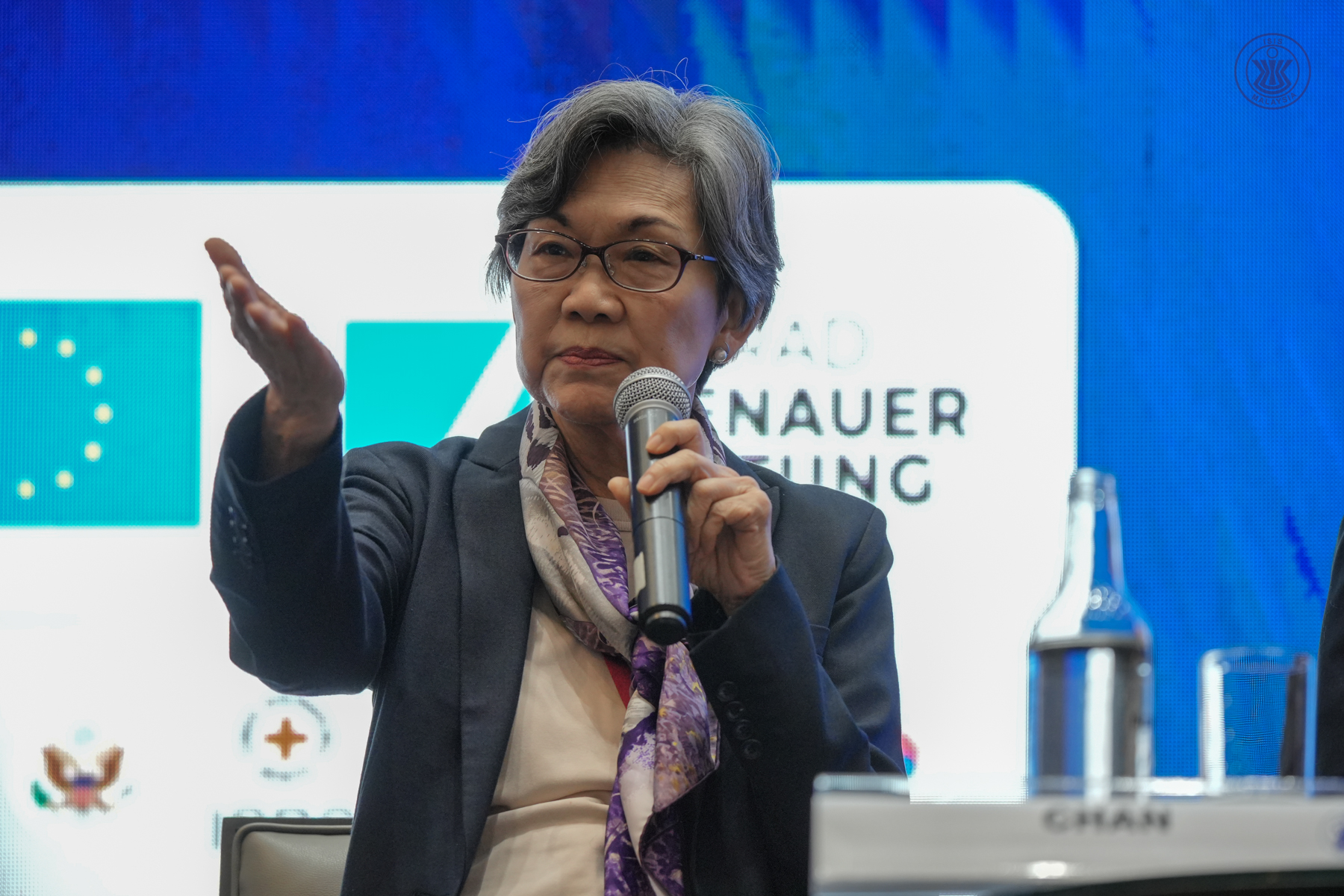
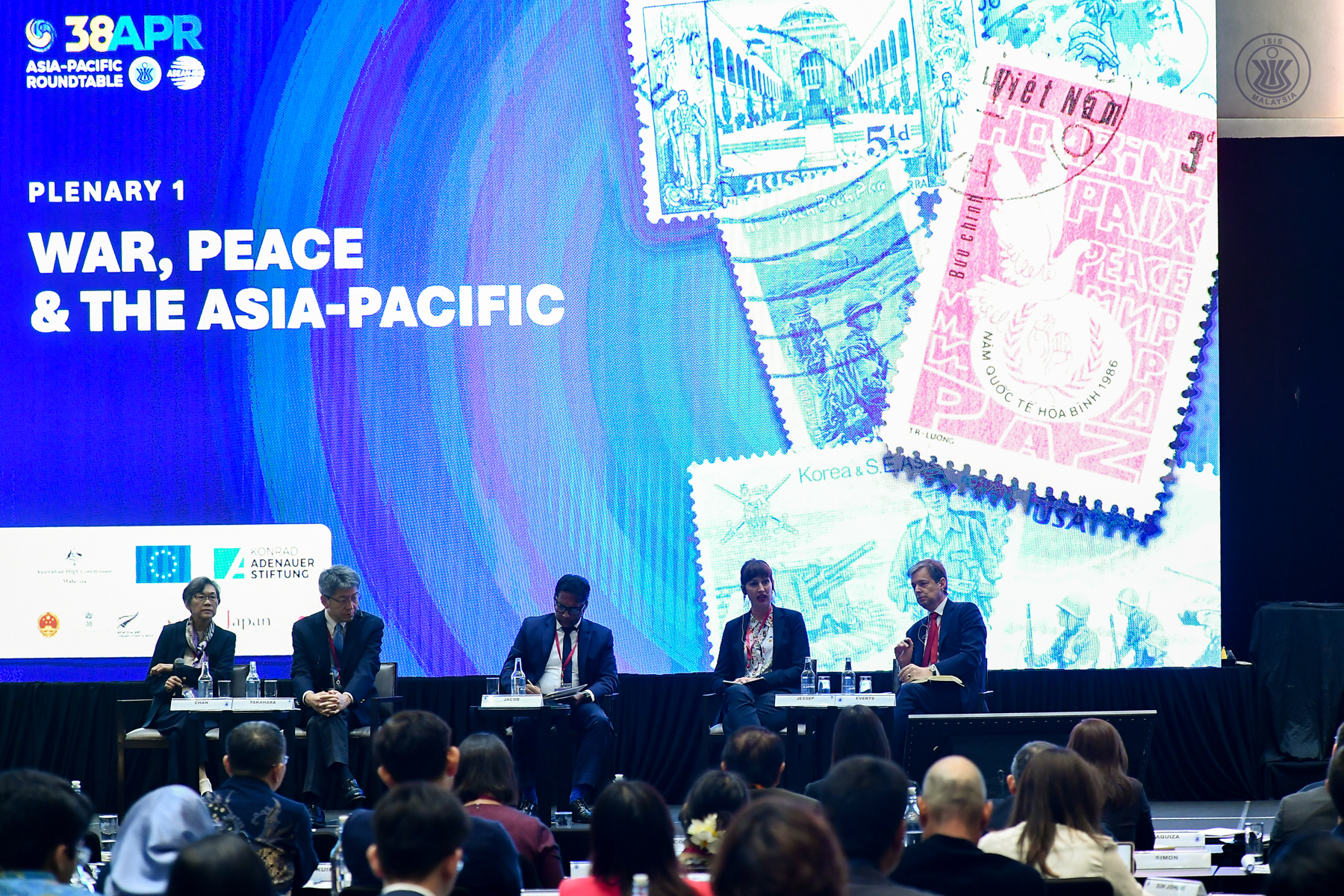
Plenary 1: War, peace & the Asia-Pacific
Ballroom A & B, Level 6
While the Asia-Pacific continues to be a hub of global economic growth and innovation, the risks of conflicts, including wars, remain. Adjacent to the region, wars continue to afflict parts of West Asia, North Africa and Europe. How do conflicts outside the region impact on the strategic calculus of policymakers in the Asia-Pacific? Have they impacted on the normative and ideological considerations that influence peace, security and conflict in this region? Has the threshold or tolerance for conflict changed in the Asia- Pacific? How do we address the trust deficits that could lead to conflicts?
1100-1130
Refreshments
Lake Garden Foyer, Level 6
1130-1300
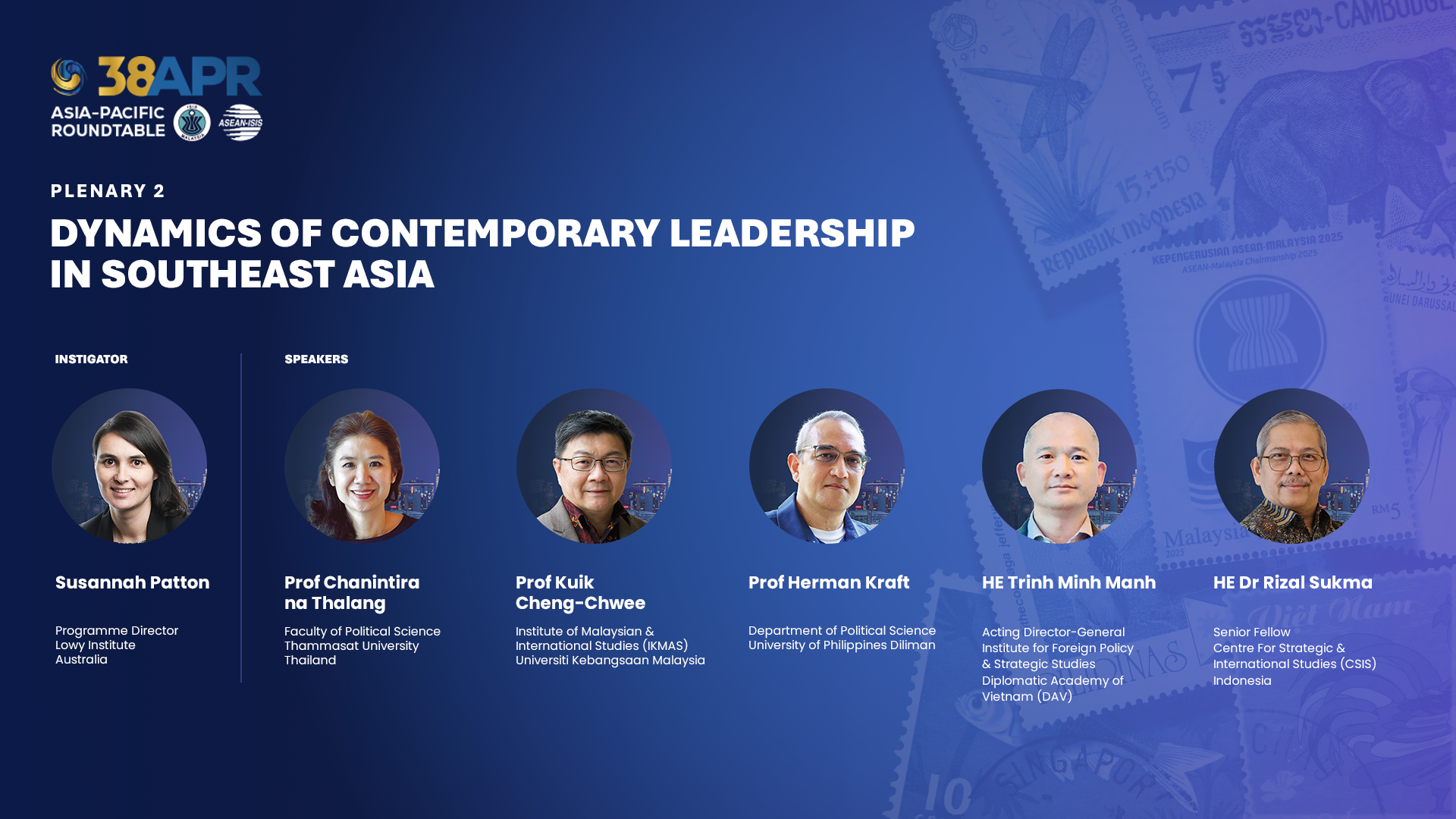
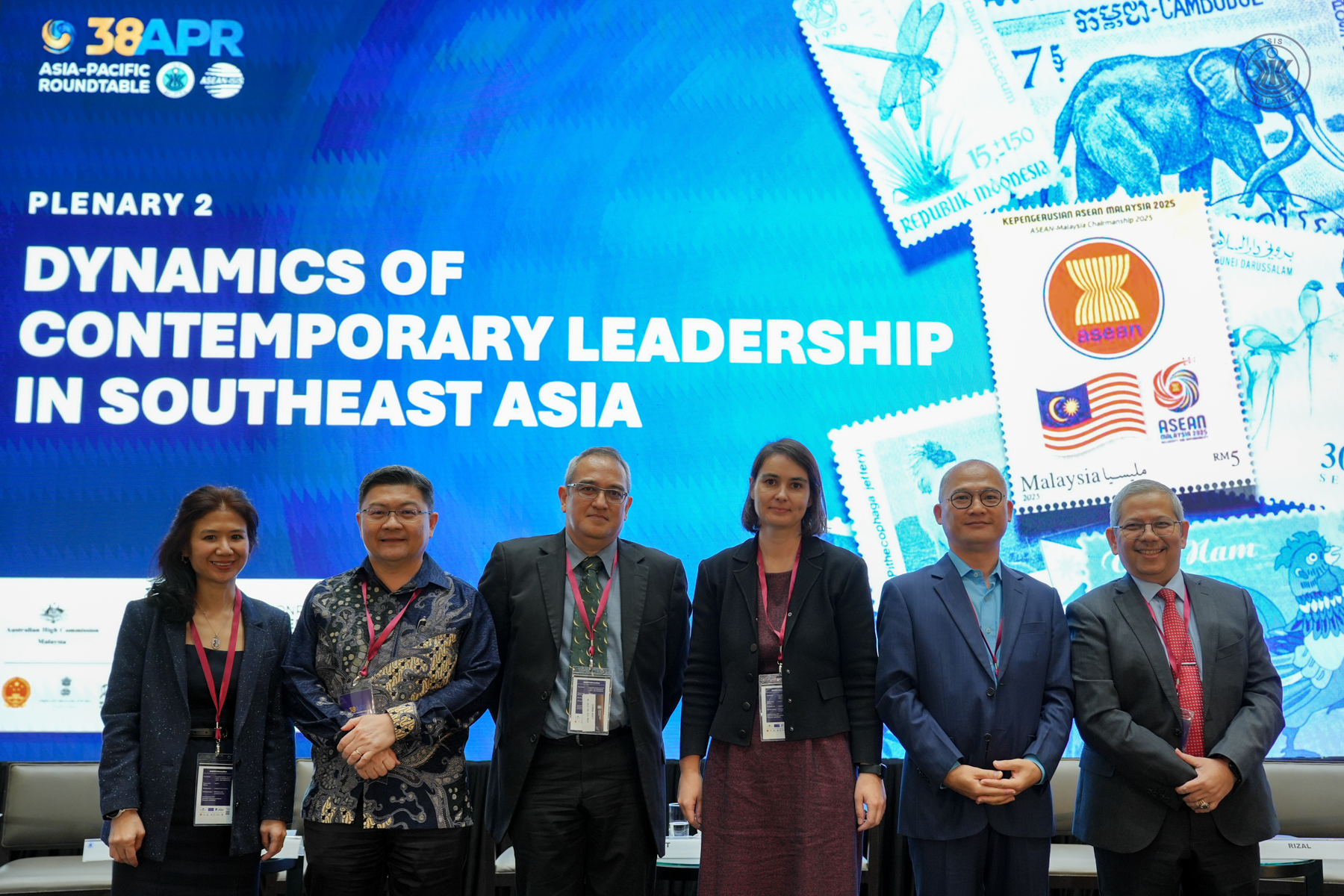
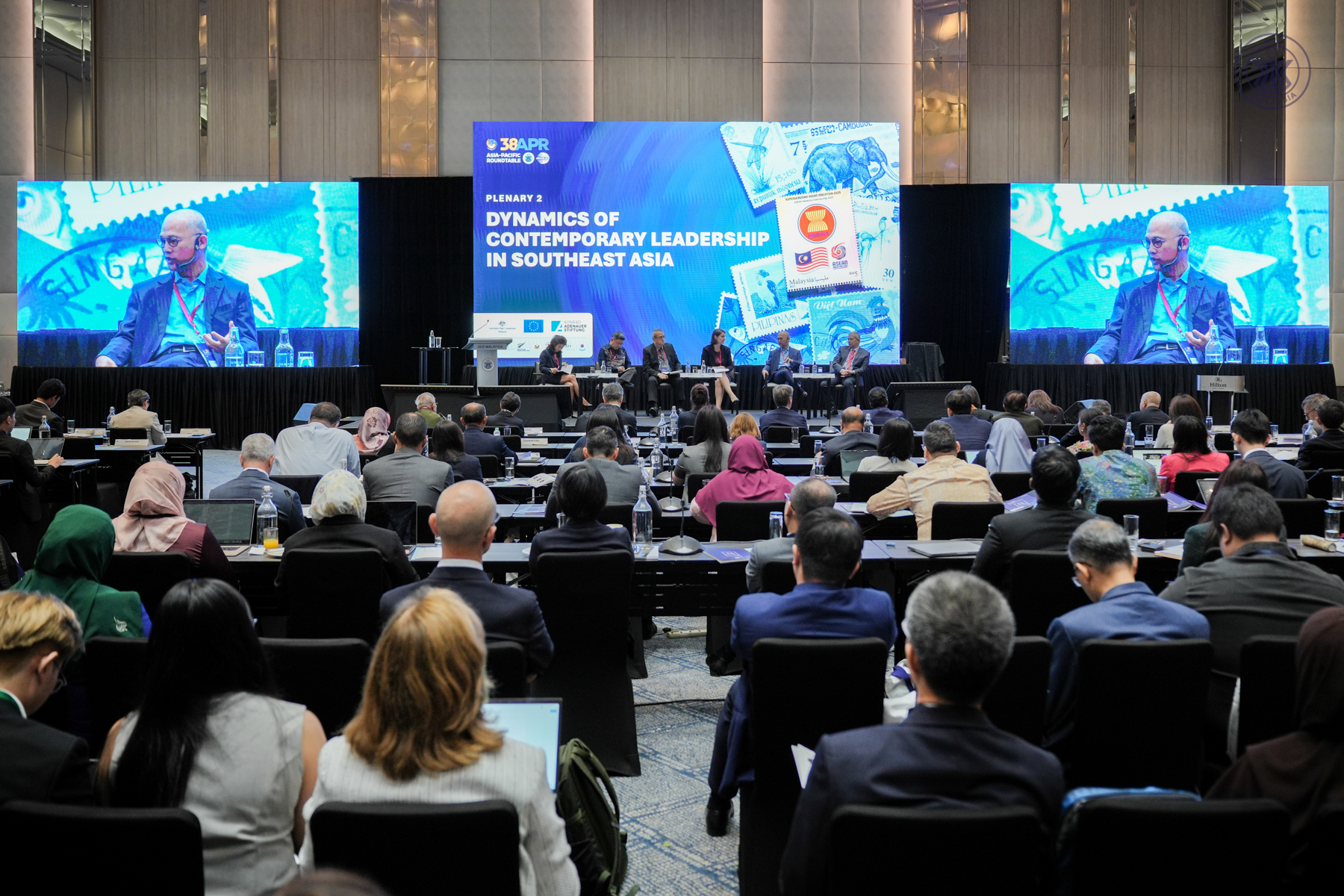
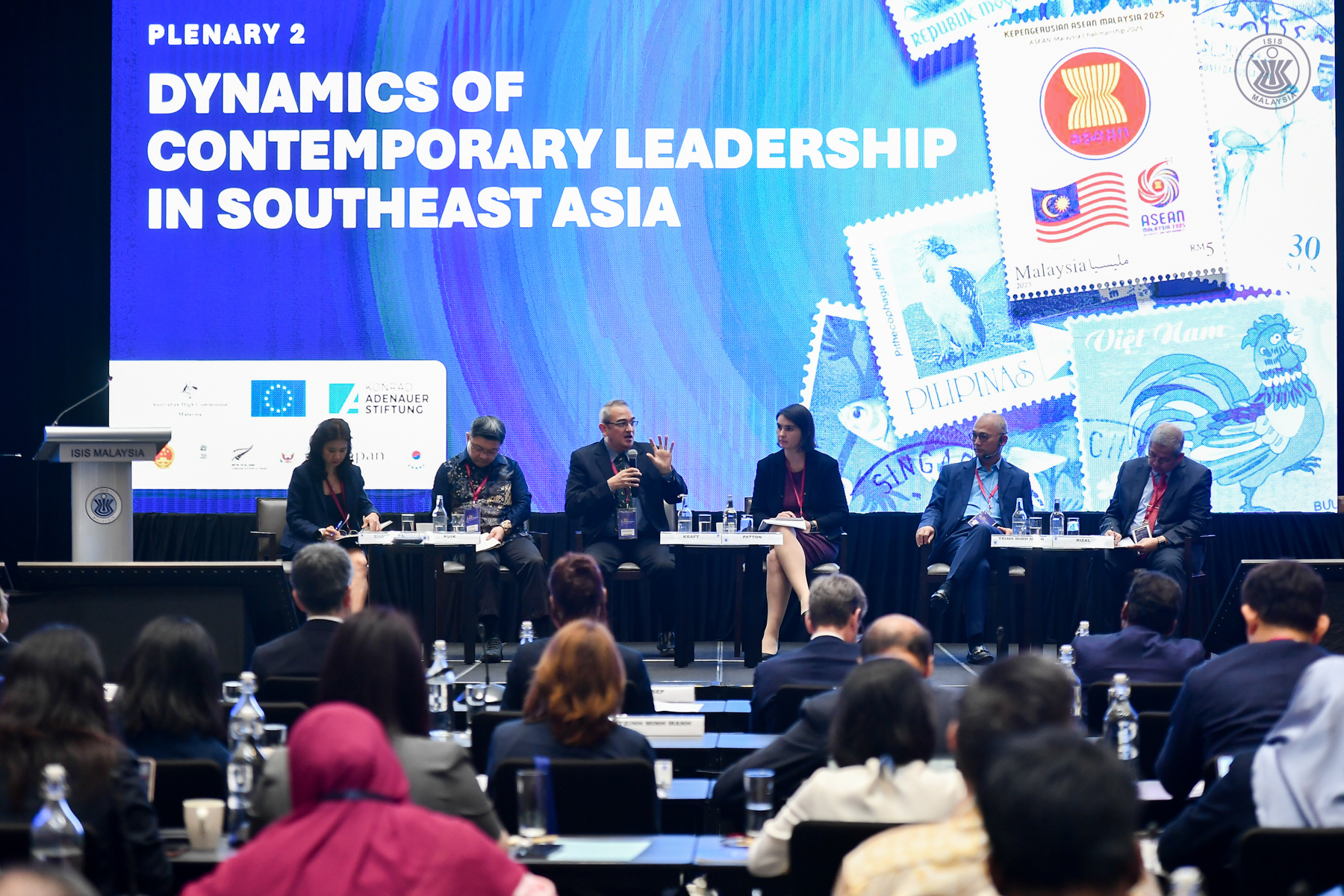
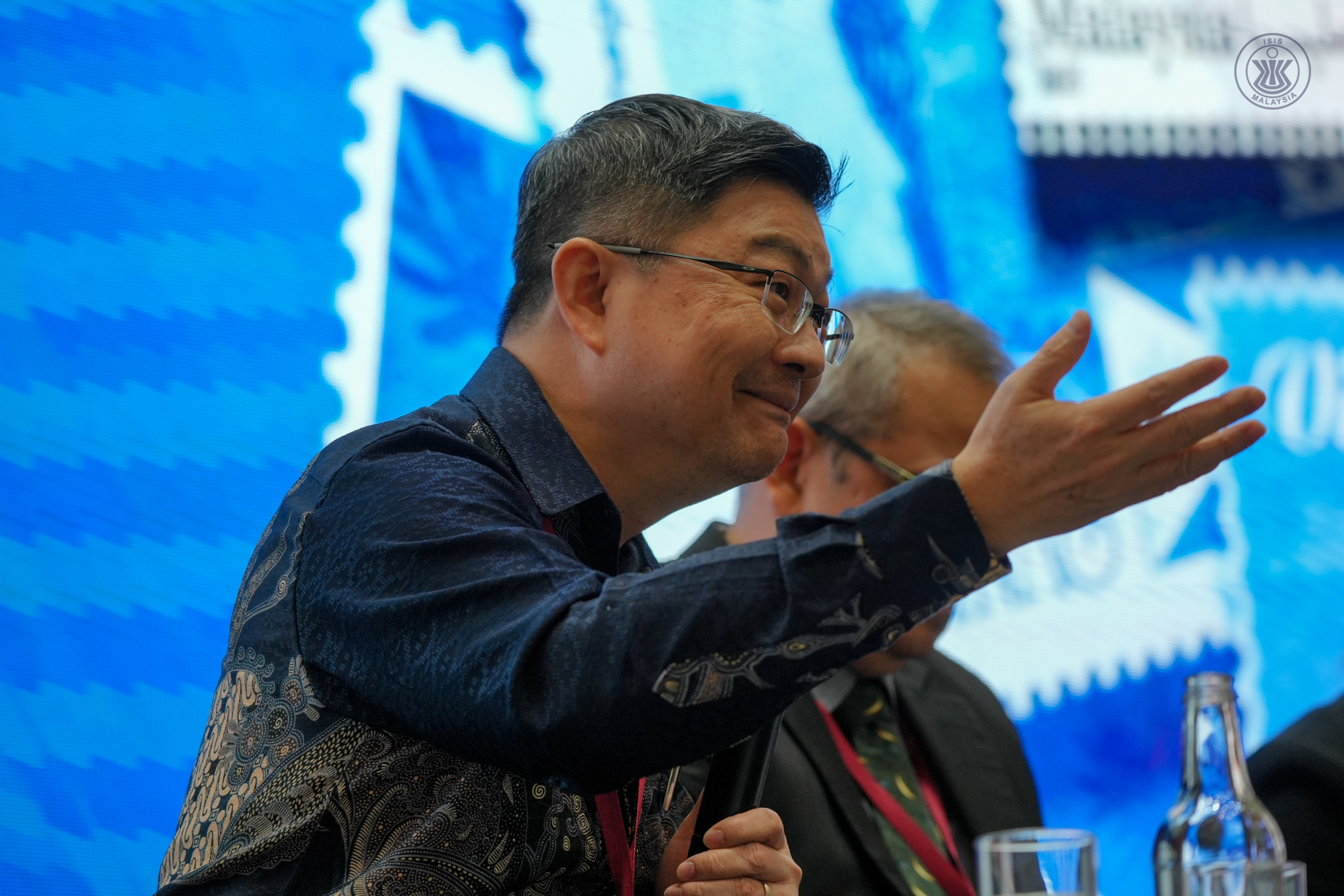
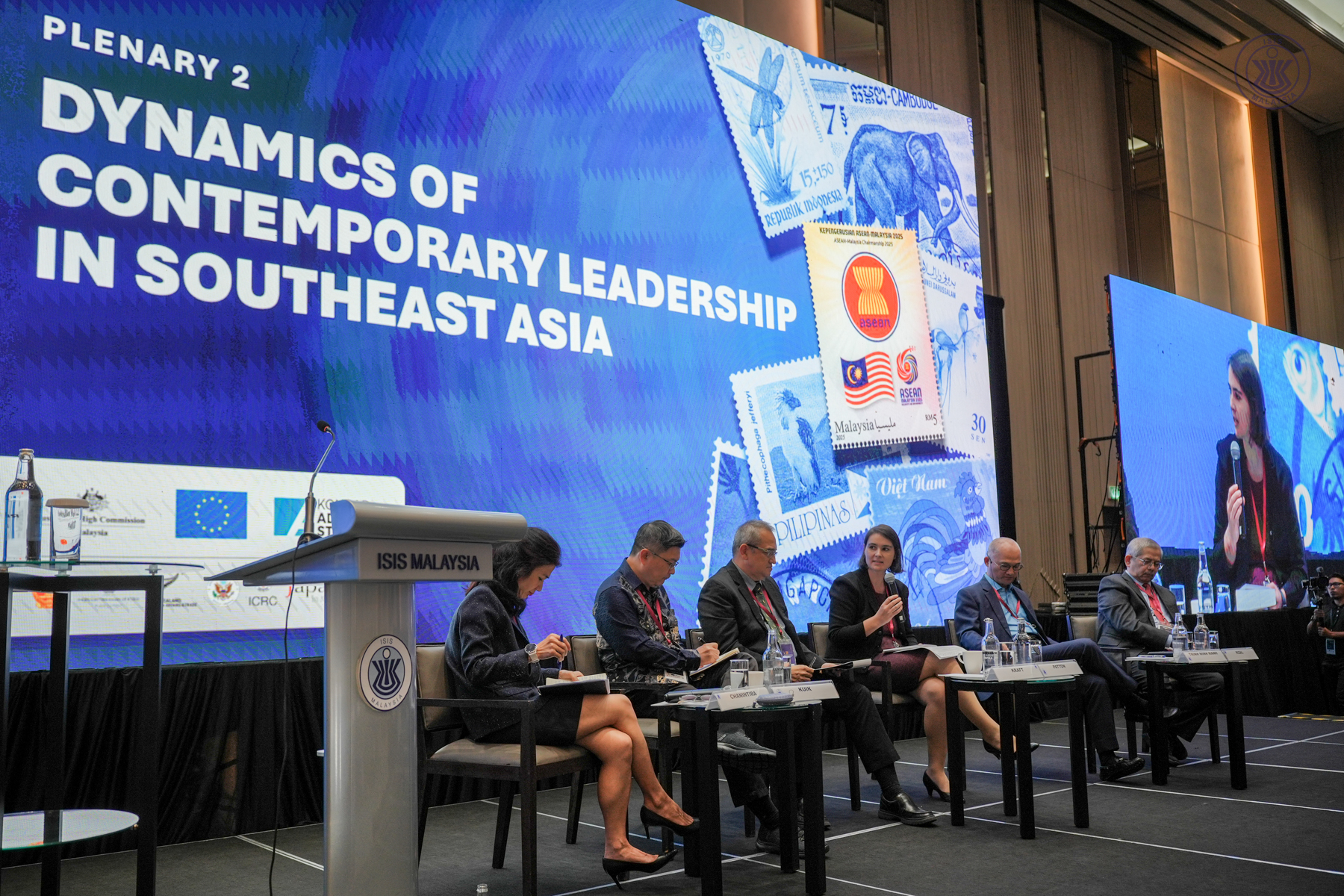
Plenary 2: Dynamics of contemporary leadership in Southeast Asia
Ballroom A & B, Level 6
A strong convergence of interests among Southeast Asia’s leaders was crucial in laying the groundwork for regional cooperation, from the founding of ASEAN to the expansion of its centrality through various mechanisms. Over the past two years, almost all member states have seen new leadership, setting the stage for new intra-ASEAN dynamics. To what extent do personality driven policies shape Southeast Asia’s dynamics? Do today’s leaders prioritise ASEAN as their predecessors did? How do leaders relate to each other, if at all? Is there enough cohesion for a convergence of interests?
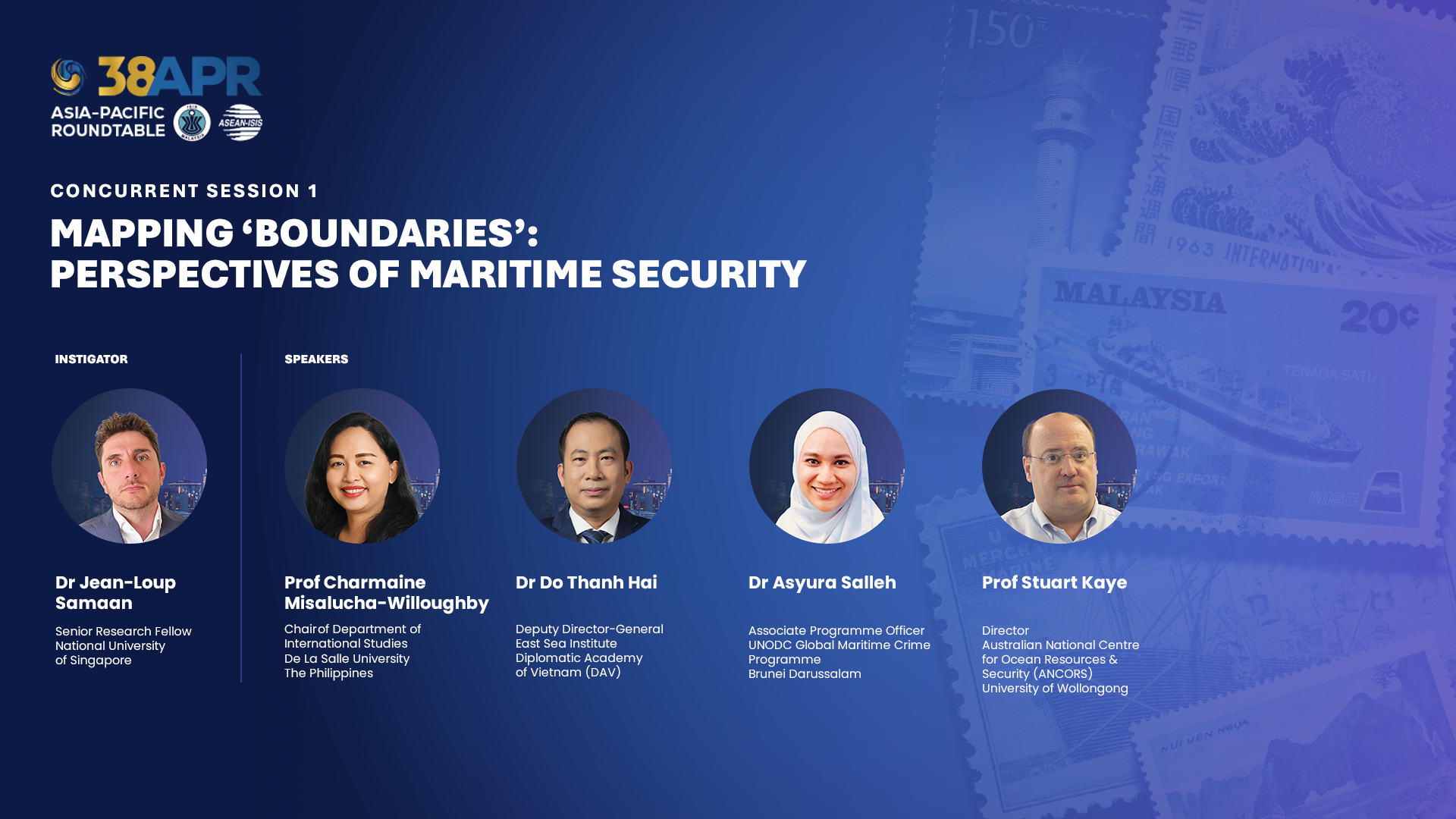
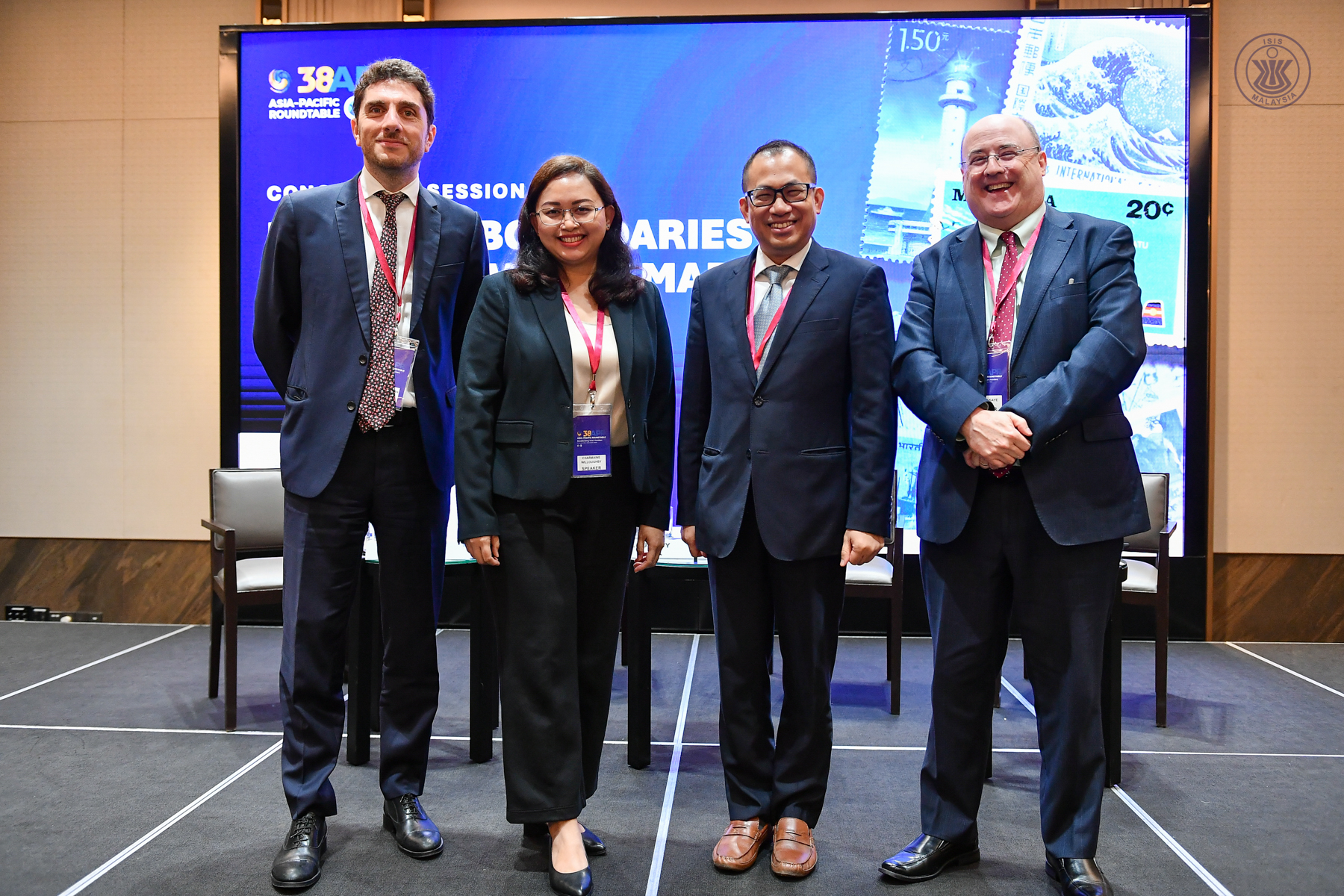
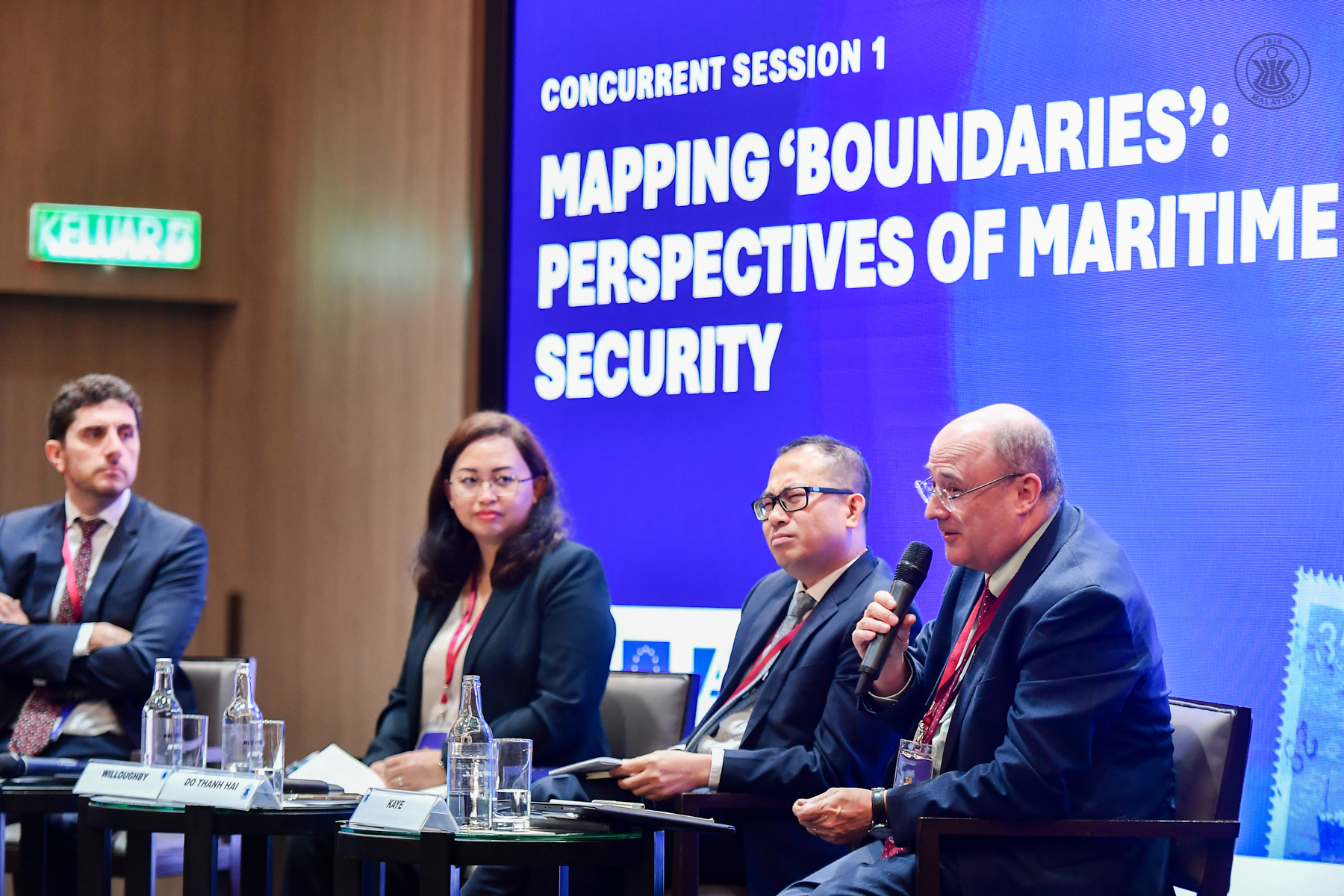
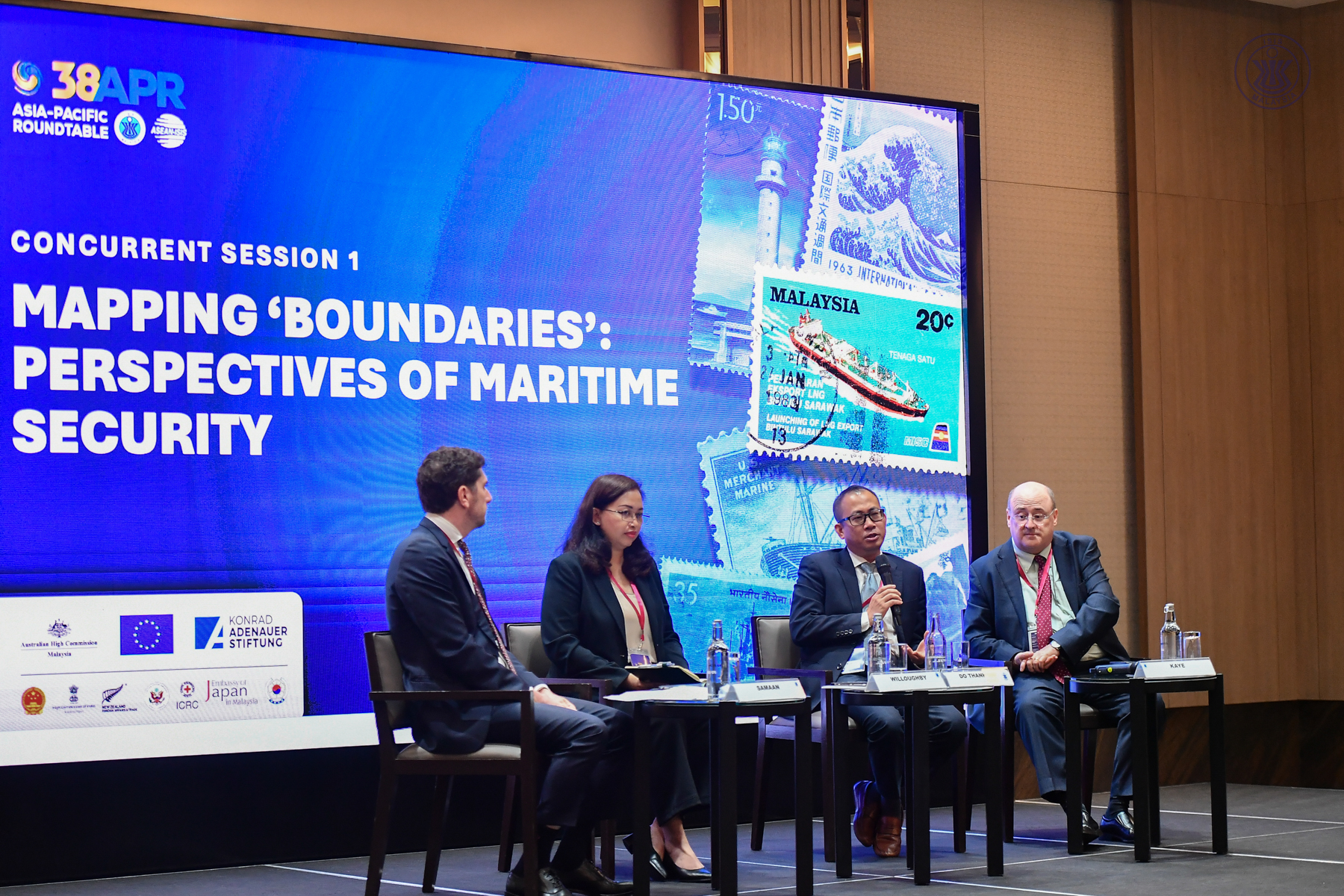
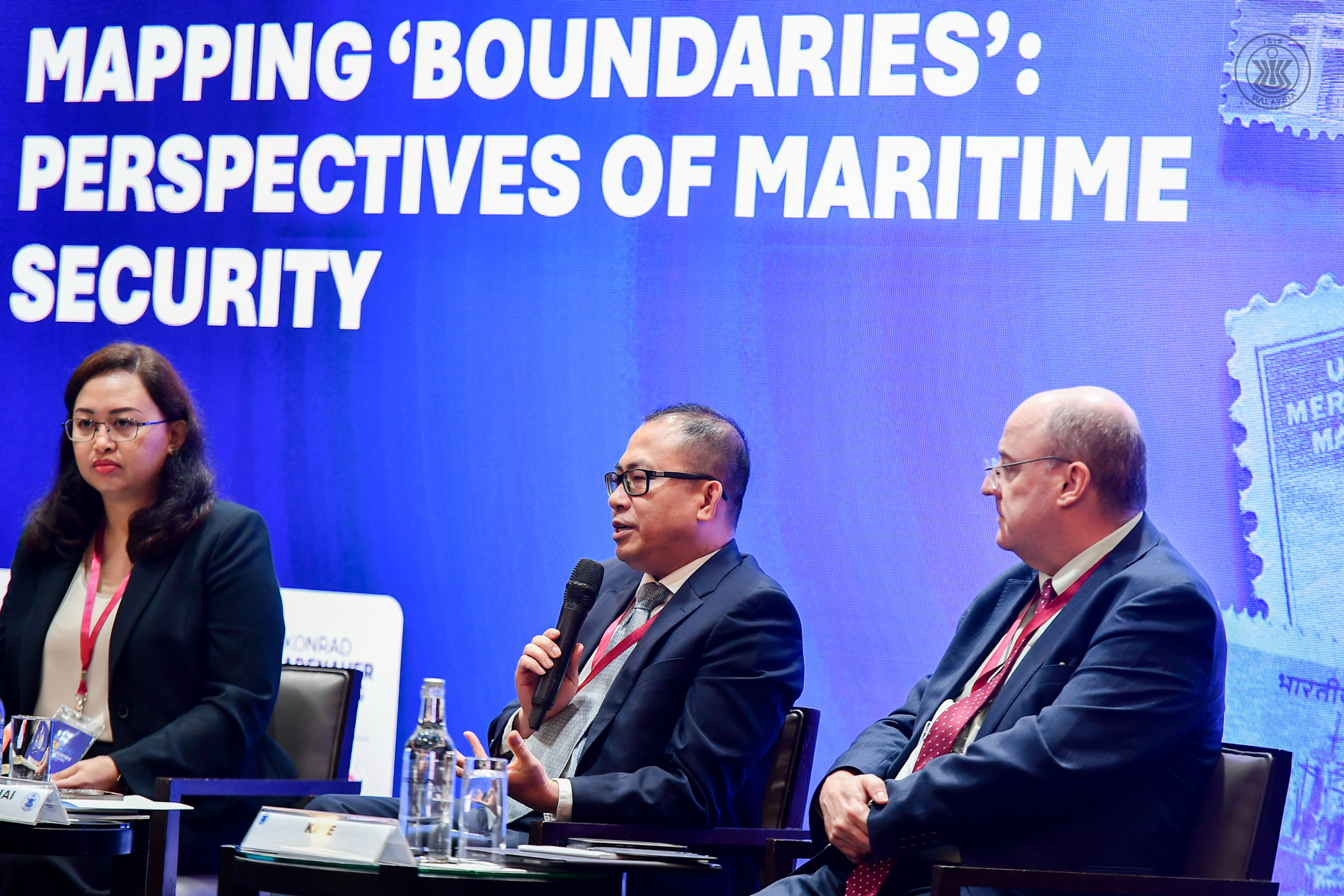
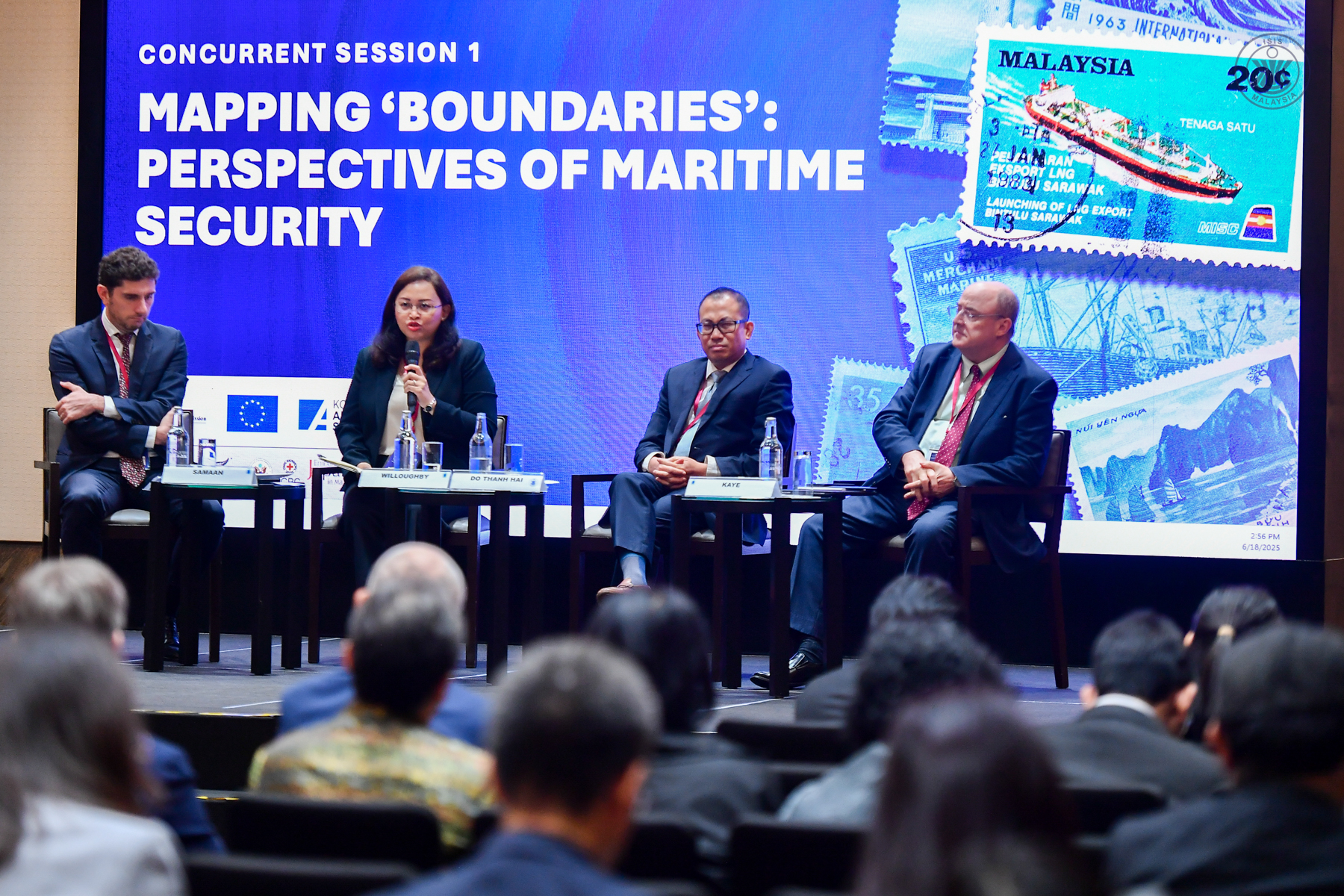
Maritime challenges and tensions are increasingly being shaped by different perspectives of security – political, legal, and intellectual. These conceptual divergences have at times hampered any tangible progress on outstanding disputes. How do states define “maritime security” and to what extent does it shape conflict? Are international maritime laws and norms at risk as countries prioritise their national interests at the expense of the global commons? How can Track 2 actors encourage greater collaboration and cohesion on shared security issues like maritime safety, economy and ecology amid contested environments?
1430-1600
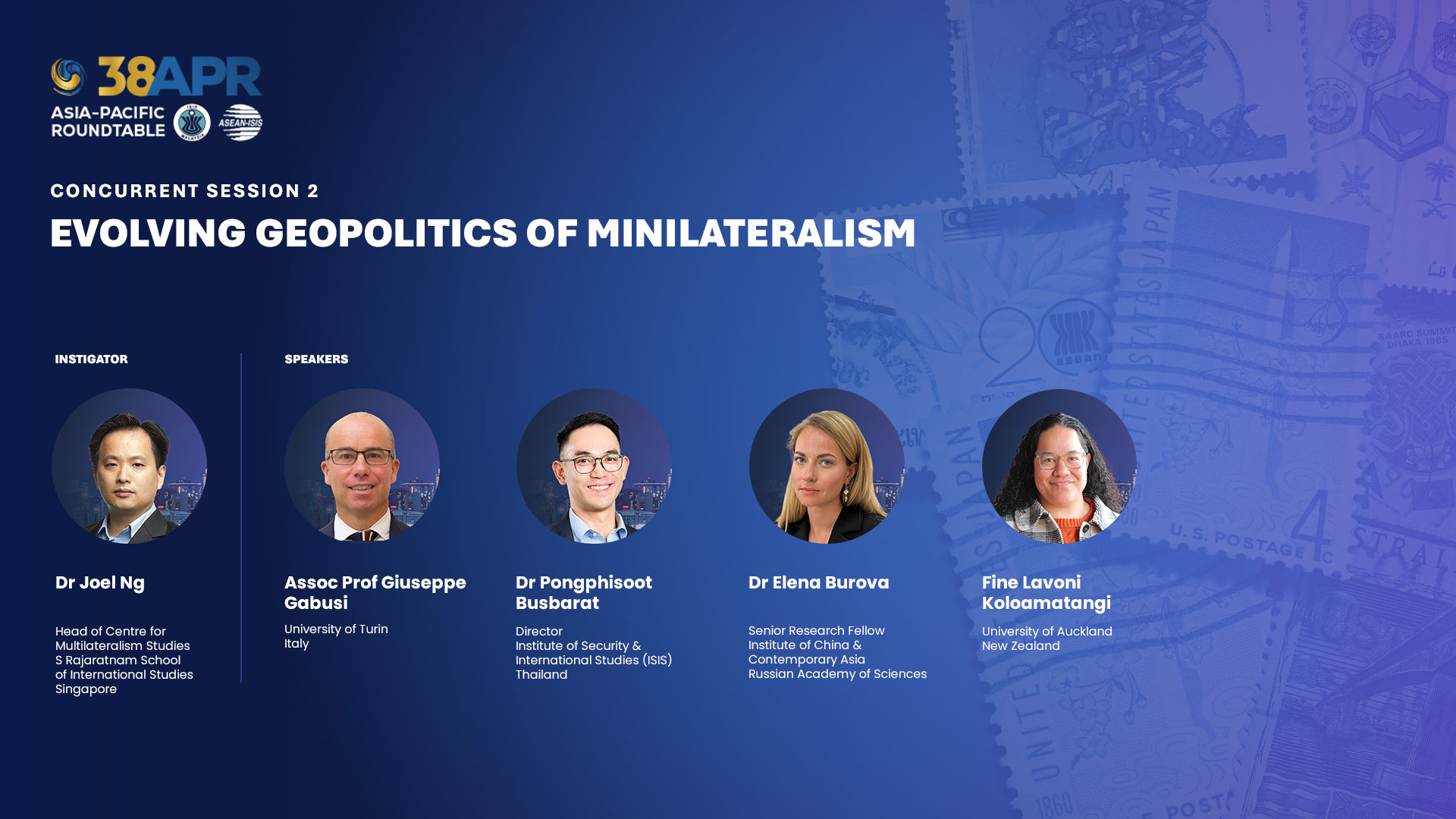
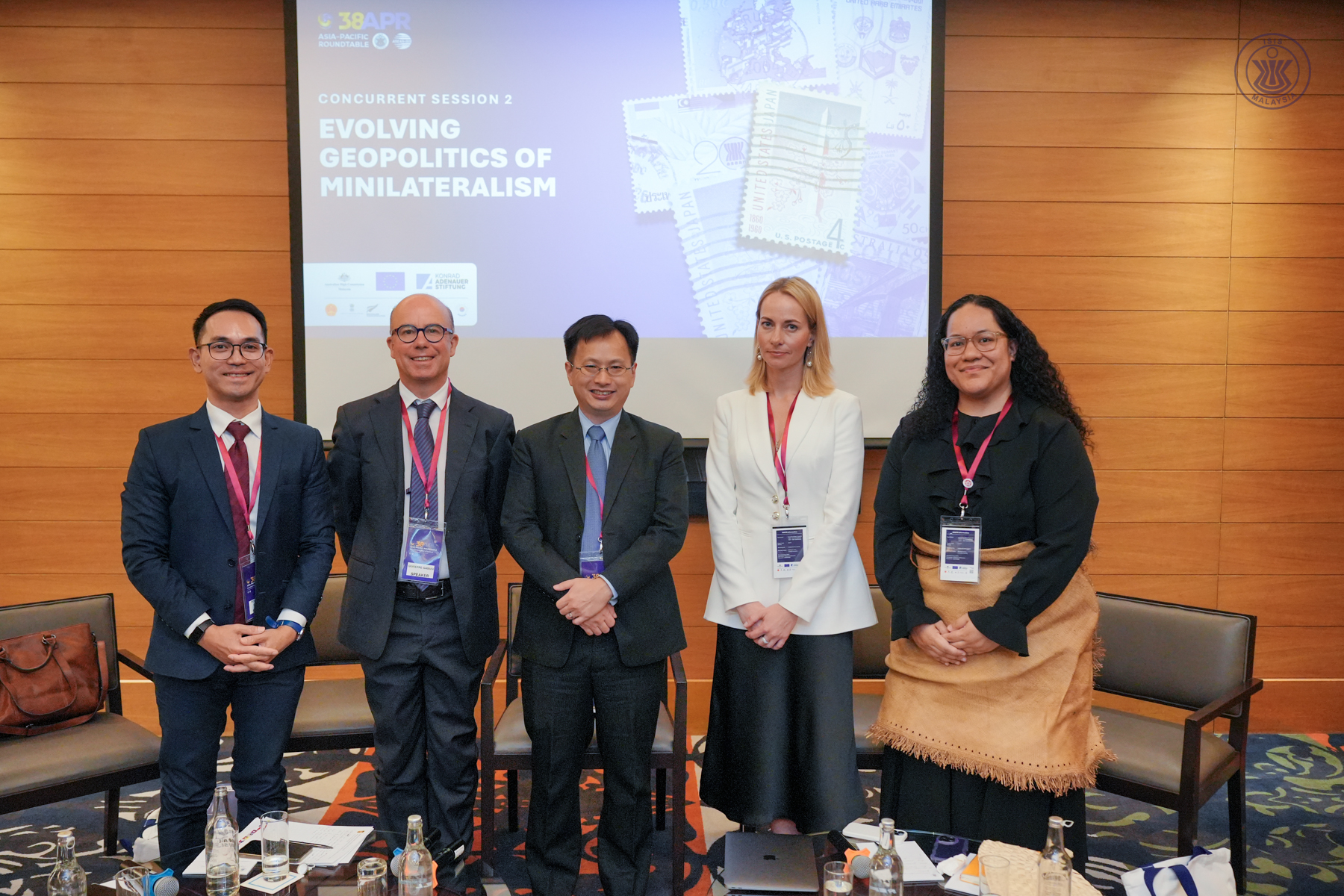
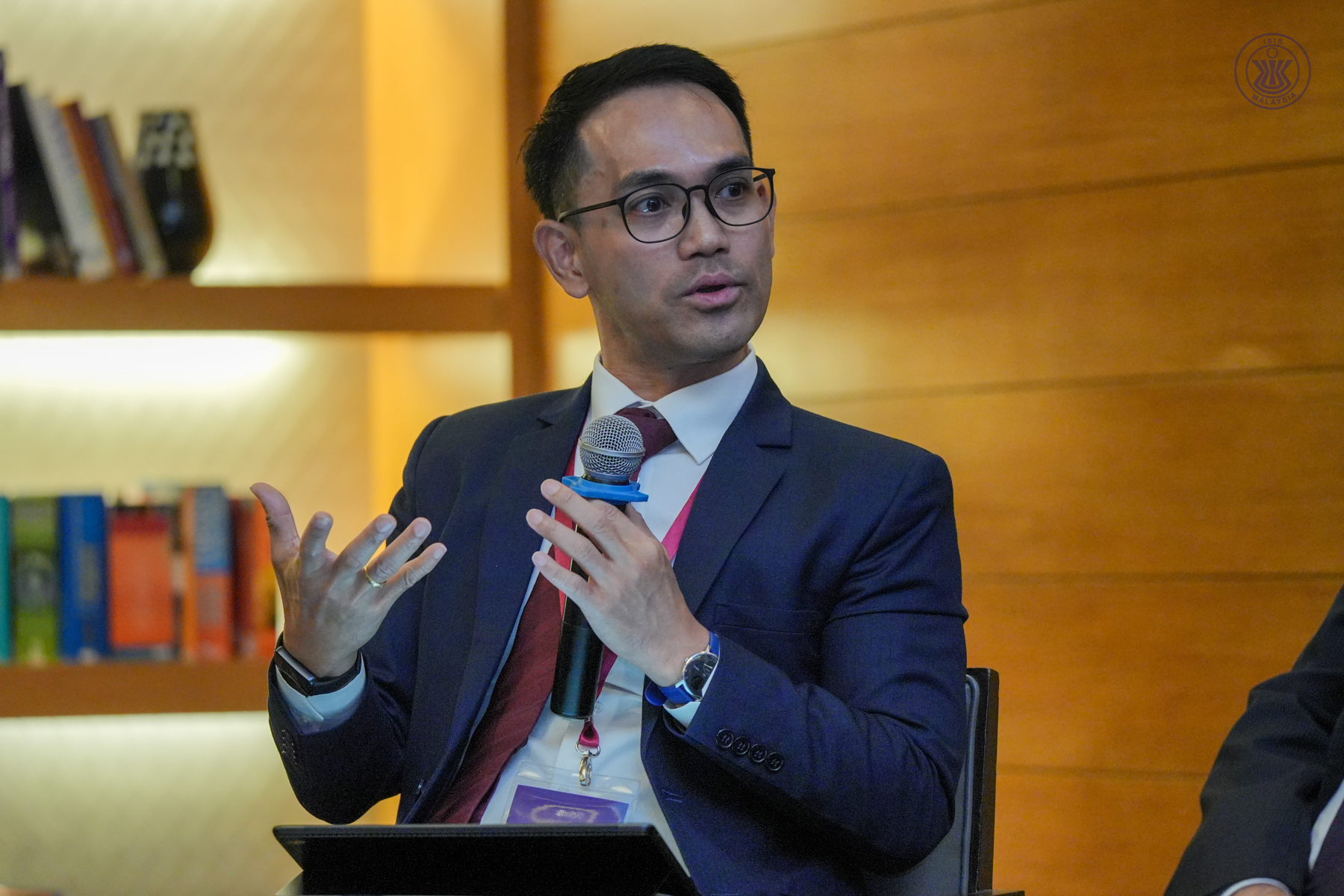
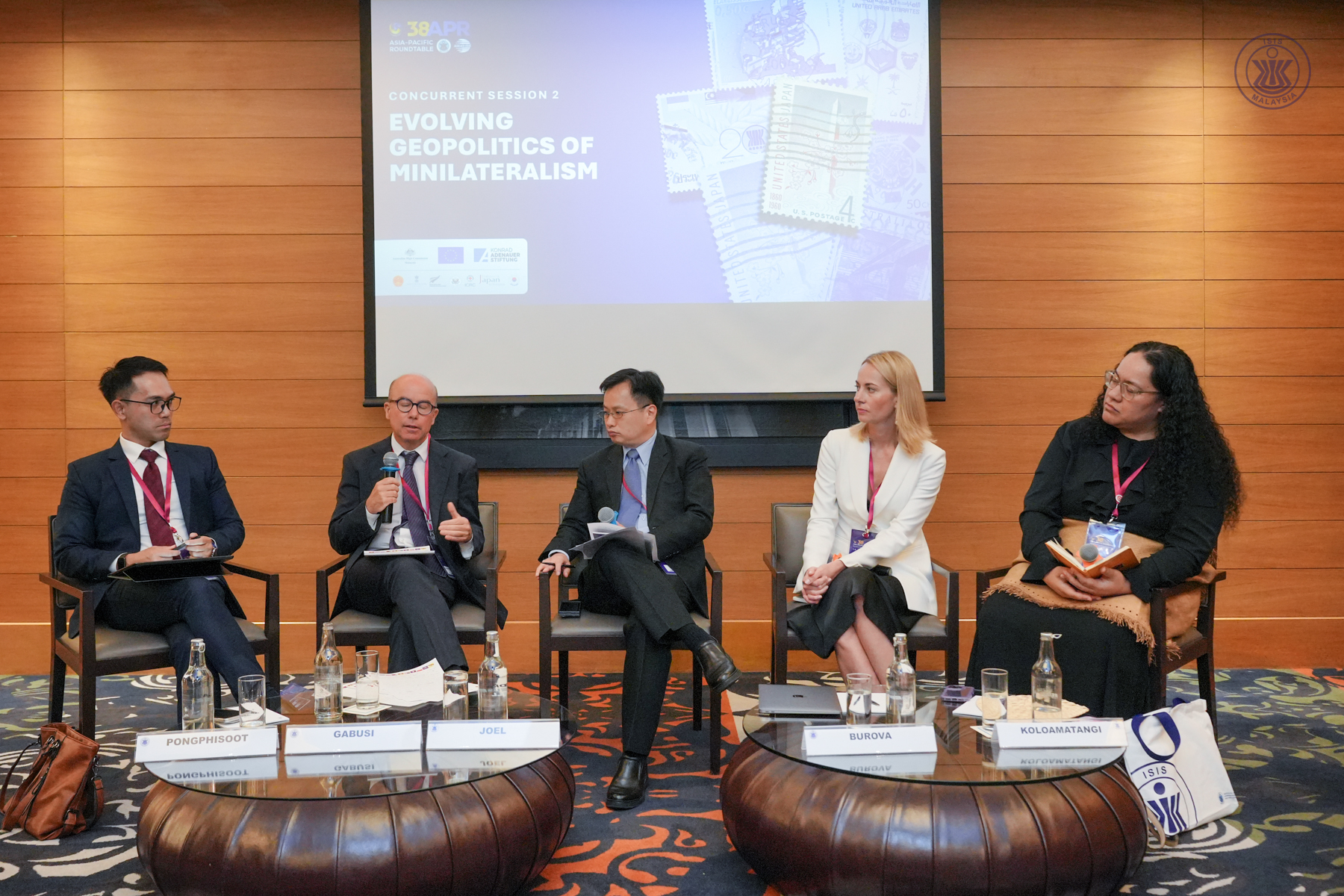
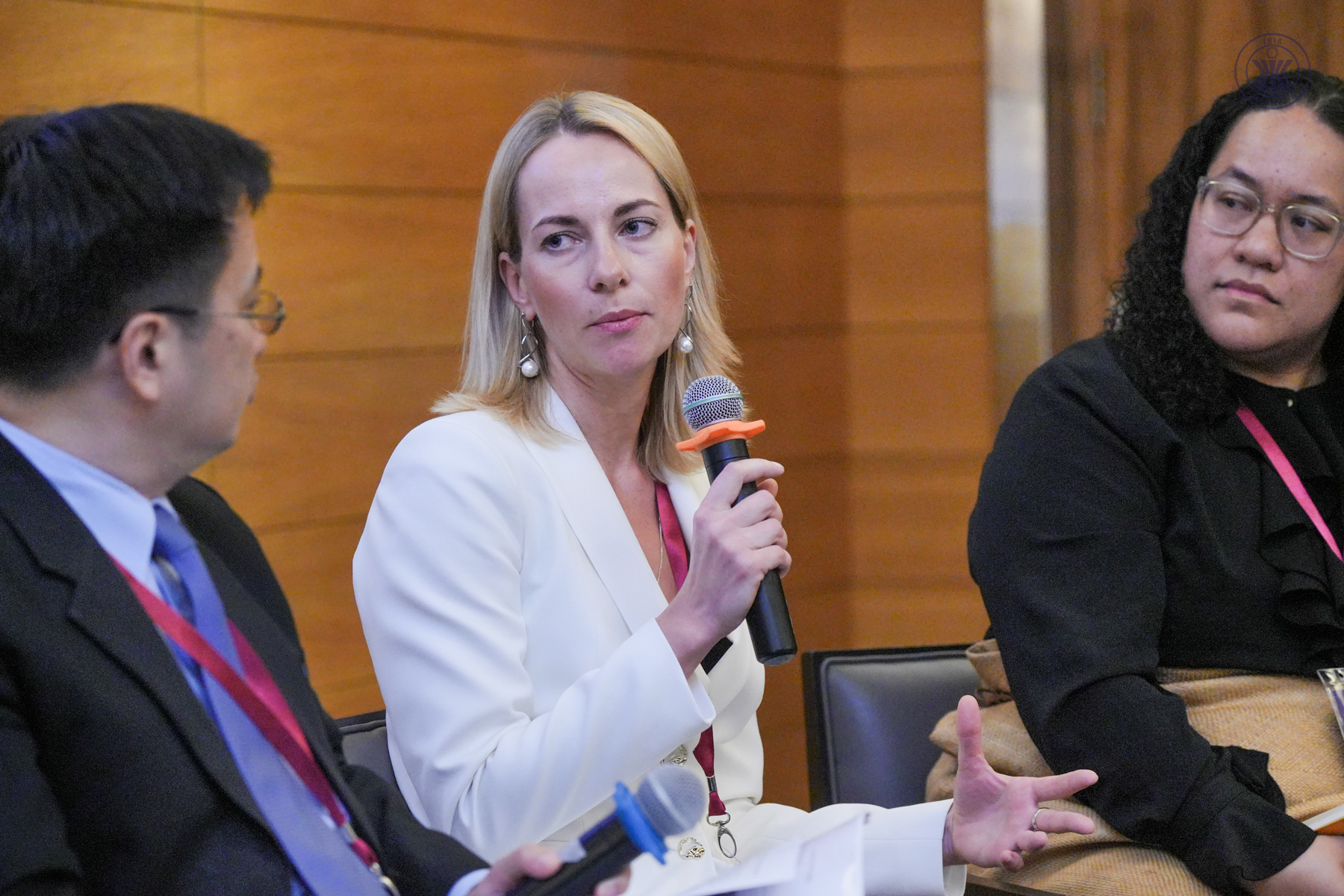
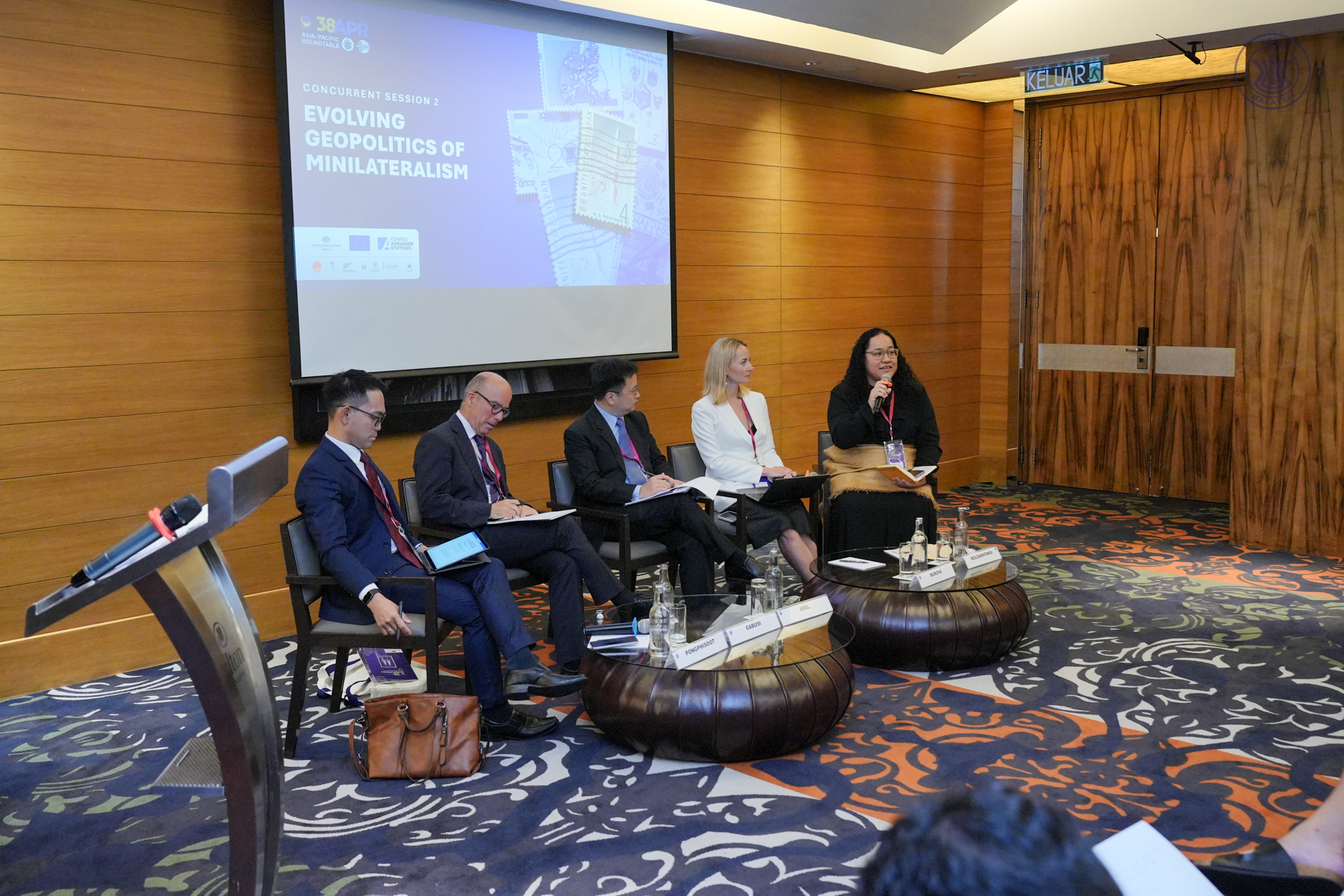
Concurrent session 2: Evolving geopolitics of minilateralism
Grand Suite, Level 7
Minilateralism has shifted from being a response to stagnant multilateralism to a proactive strategy driven by like-minded states. While it can be an agile tool for power projection and shaping the regional and global order, critics contend that it perpetuates a less inclusive form of collaboration. Is minilateralism an effective tool for geopolitics or does it simply perpetuate exclusion and antagonism? Could minilateralism strengthen nuanced and targeted cooperation, paving the way for effective multilateralism or will it render the latter obsolete? Can one exist without the other?
1600-1620
Refreshments
Lake Garden Foyer, Level 6
1620-1750
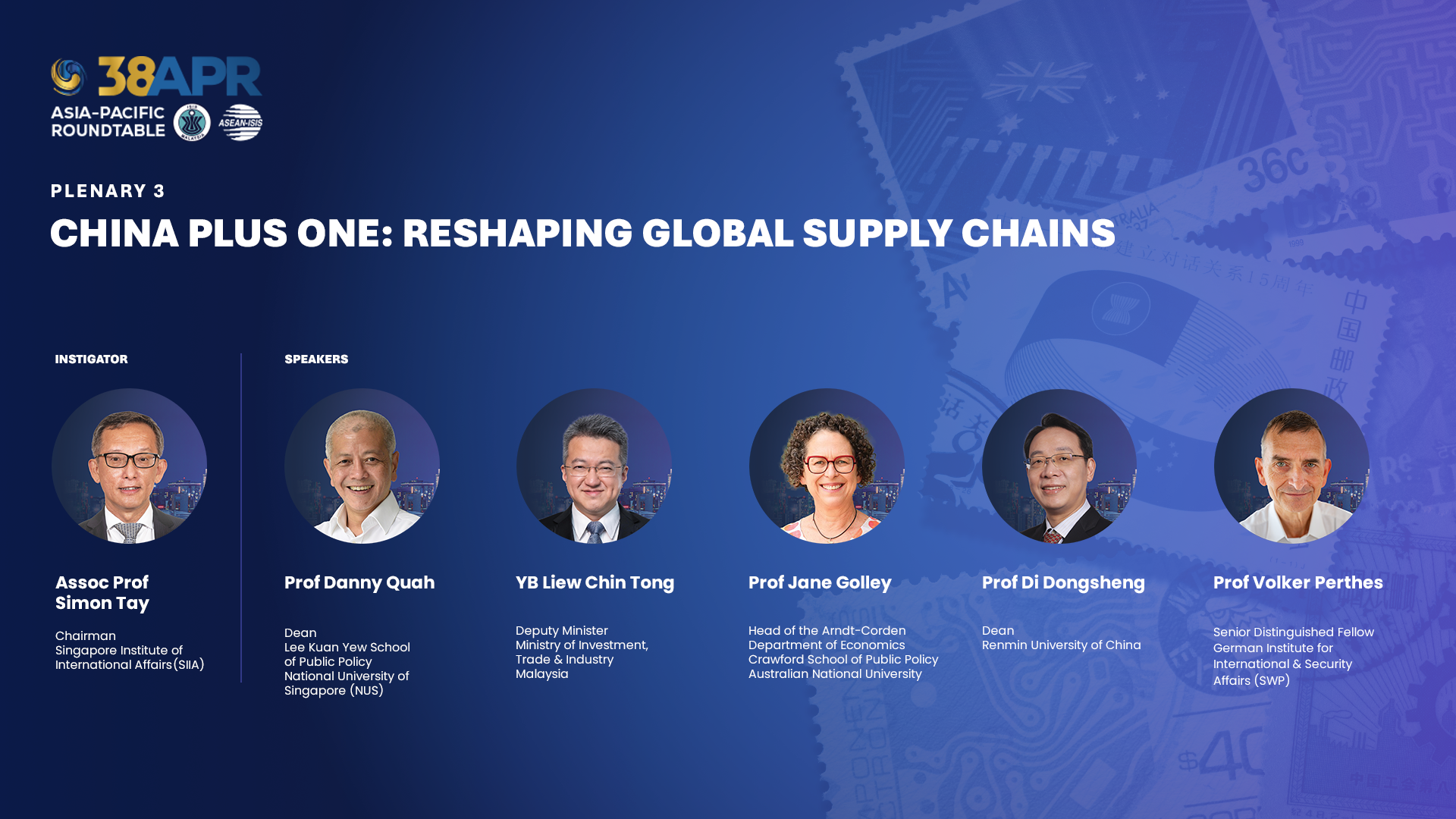
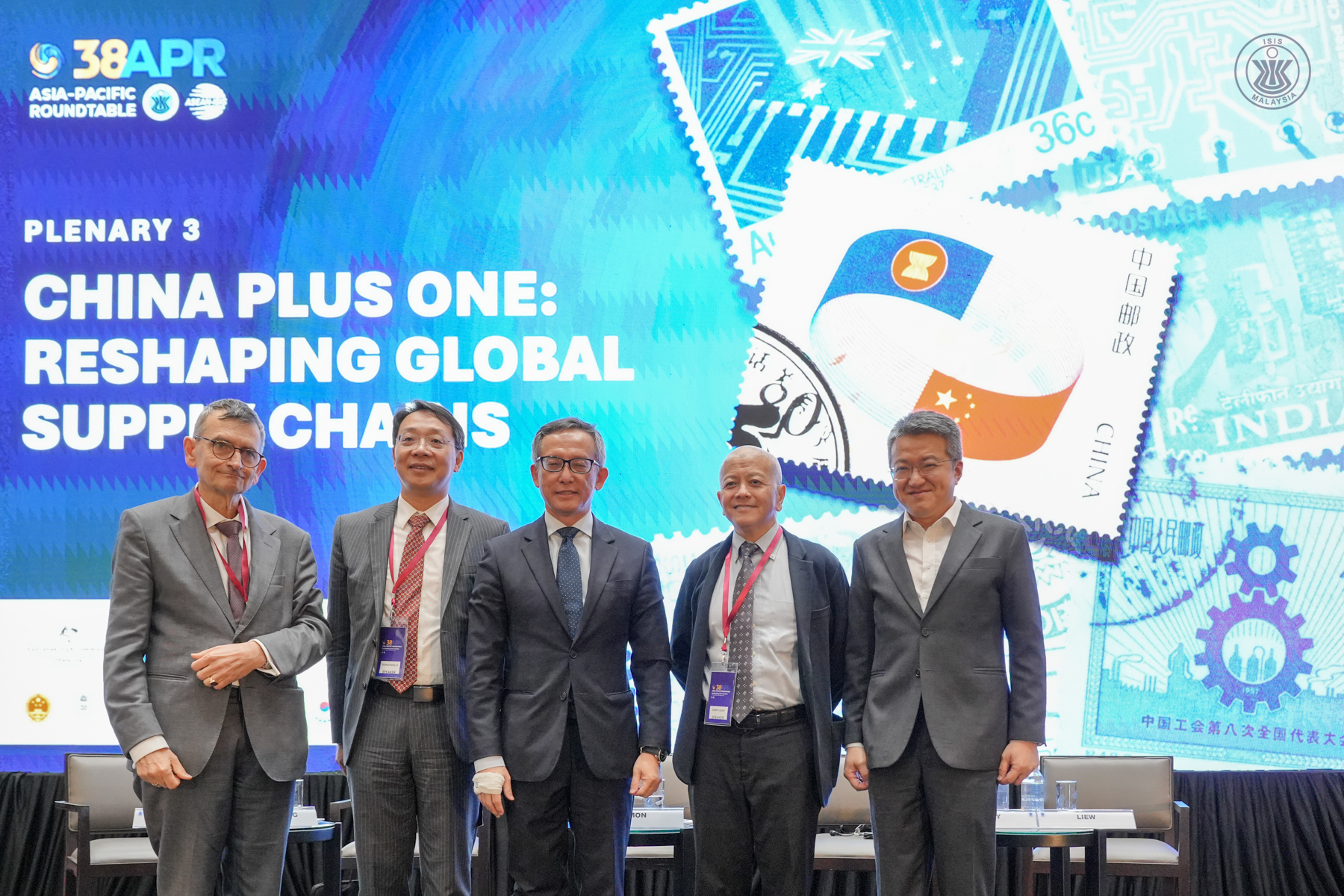
Plenary 3: China Plus One: reshaping global supply chains
Ballroom A & B, Level 6
The diversification of supply chains out of China in recent years has gained widespread attention to mitigate risks associated with the evolving geopolitical landscape. This is particularly evident in the electronics industry, including semiconductors. Is China Plus One driven solely by the US-China rivalry or are there other factors? How are China Plus One strategies playing out in Southeast Asia, and is the region still a major beneficiary of major-power competition? Are current trends an indication of a possible deglobalisation or re-globalisation?
1800-1930
Dinner
Ballroom C, Level 6
Thursday, 19 June 2025
0800-0915
Registration
Foyer, Ballroom A & B, Level 6
0915
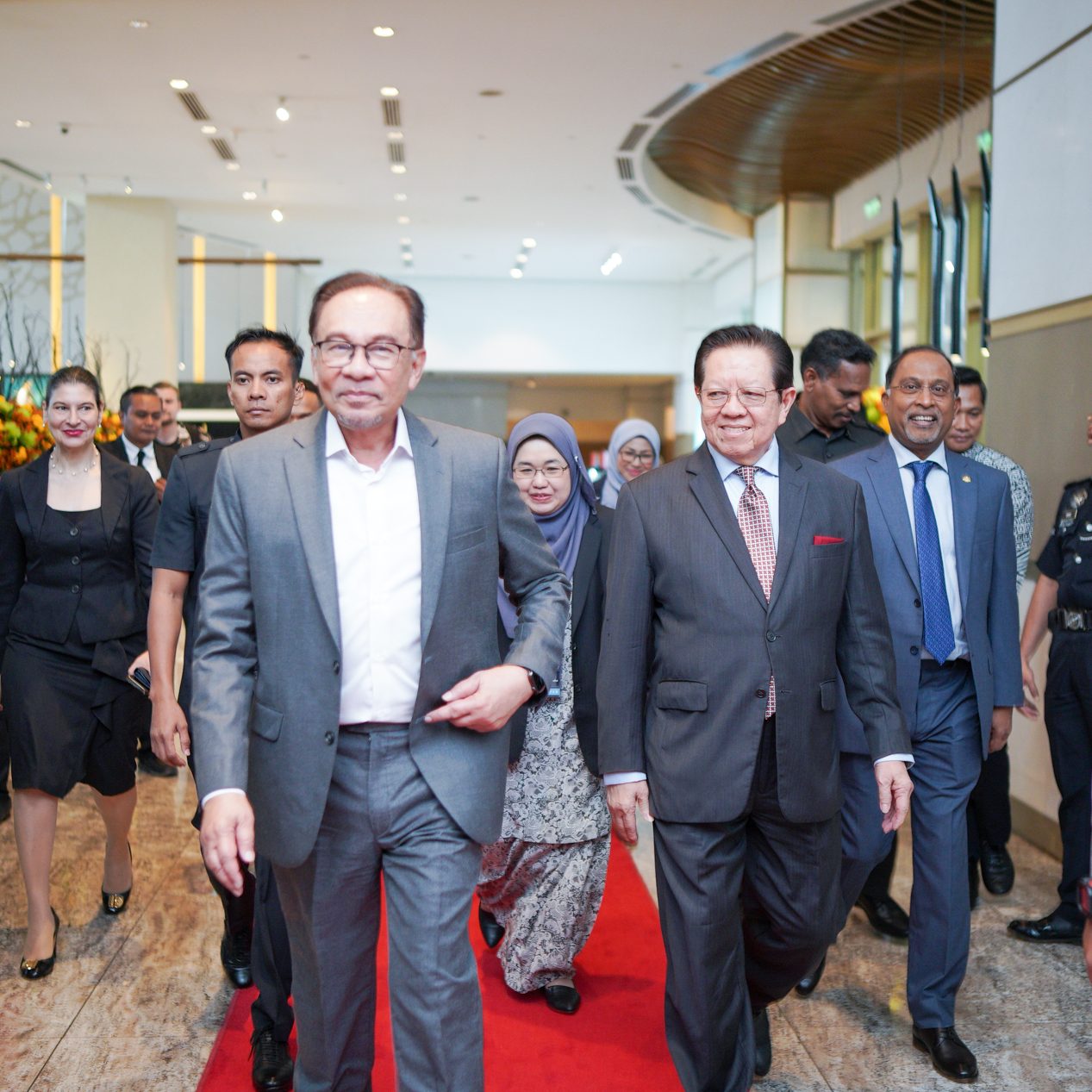
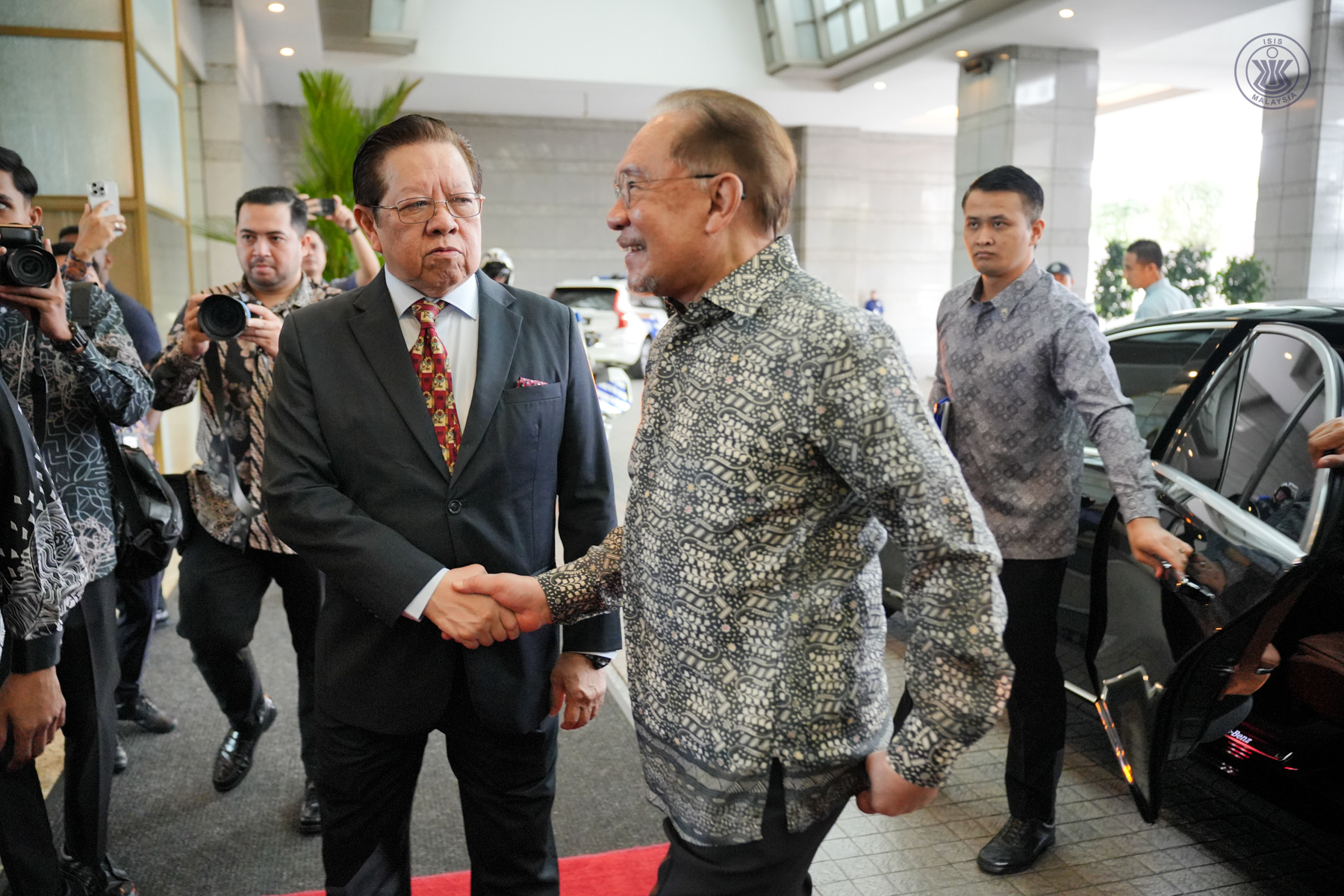
Arrival of The Honourable Dato’ Seri Anwar bin Ibrahim
Prime Minister of Malaysia
0915-1030
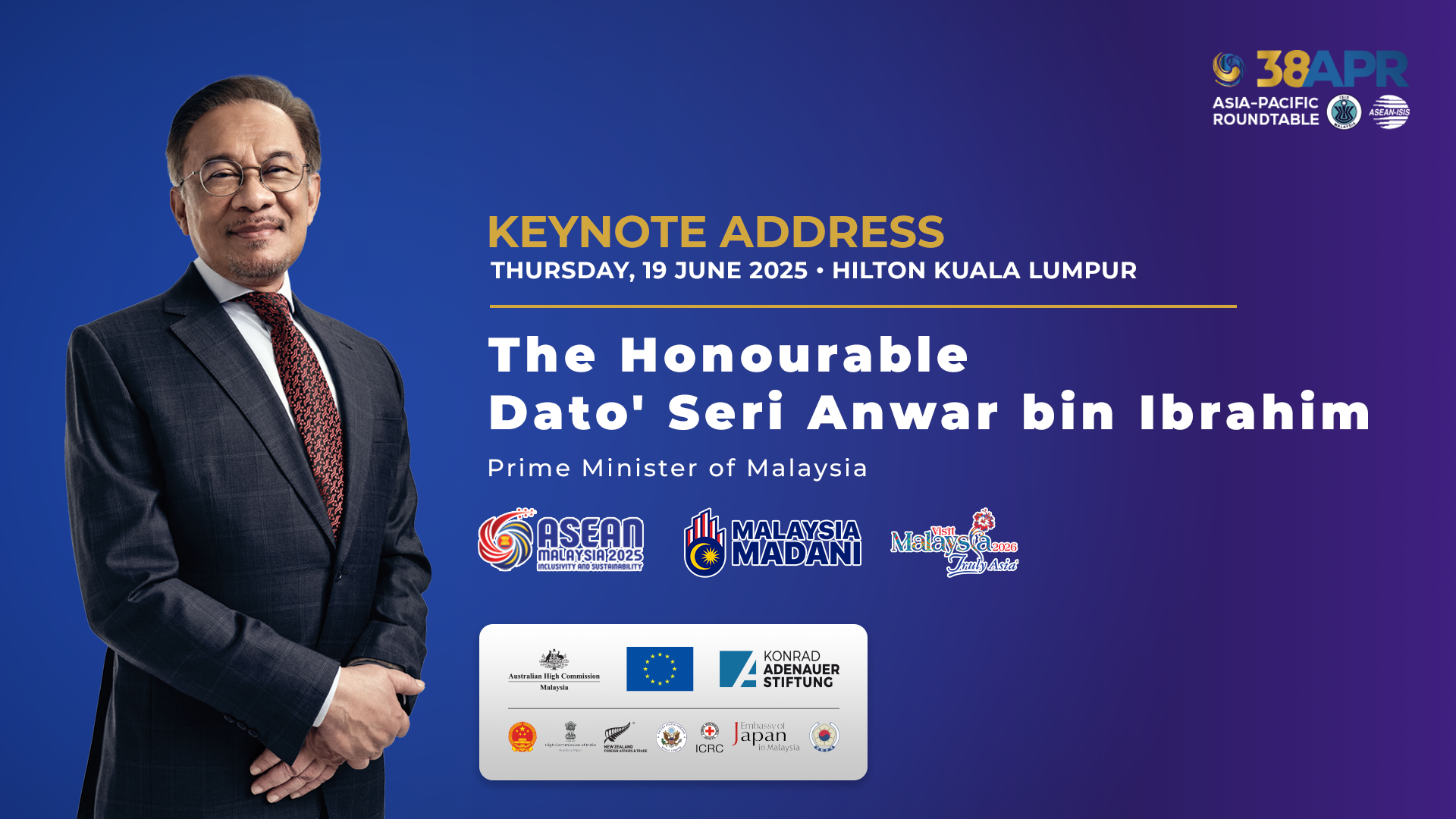
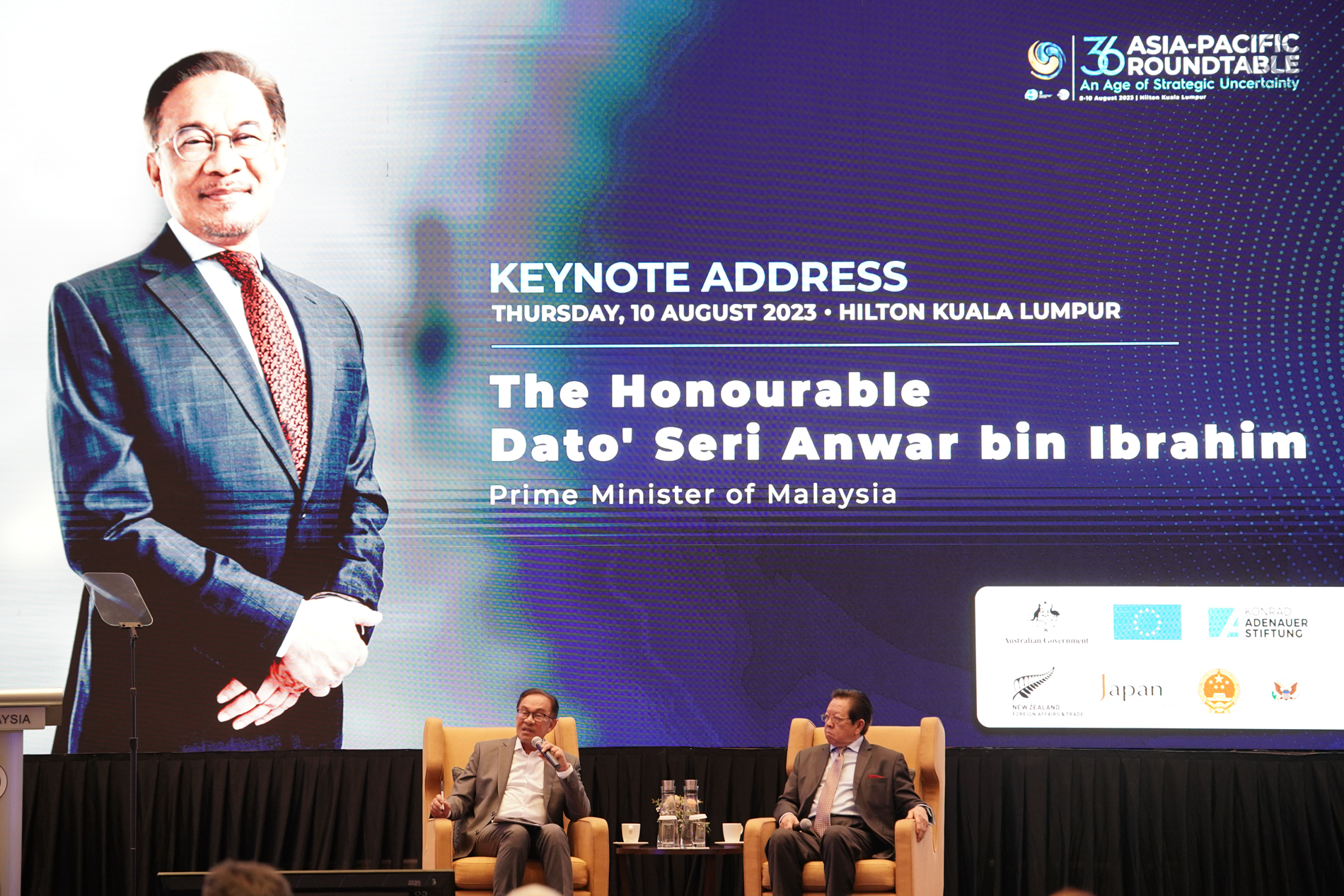
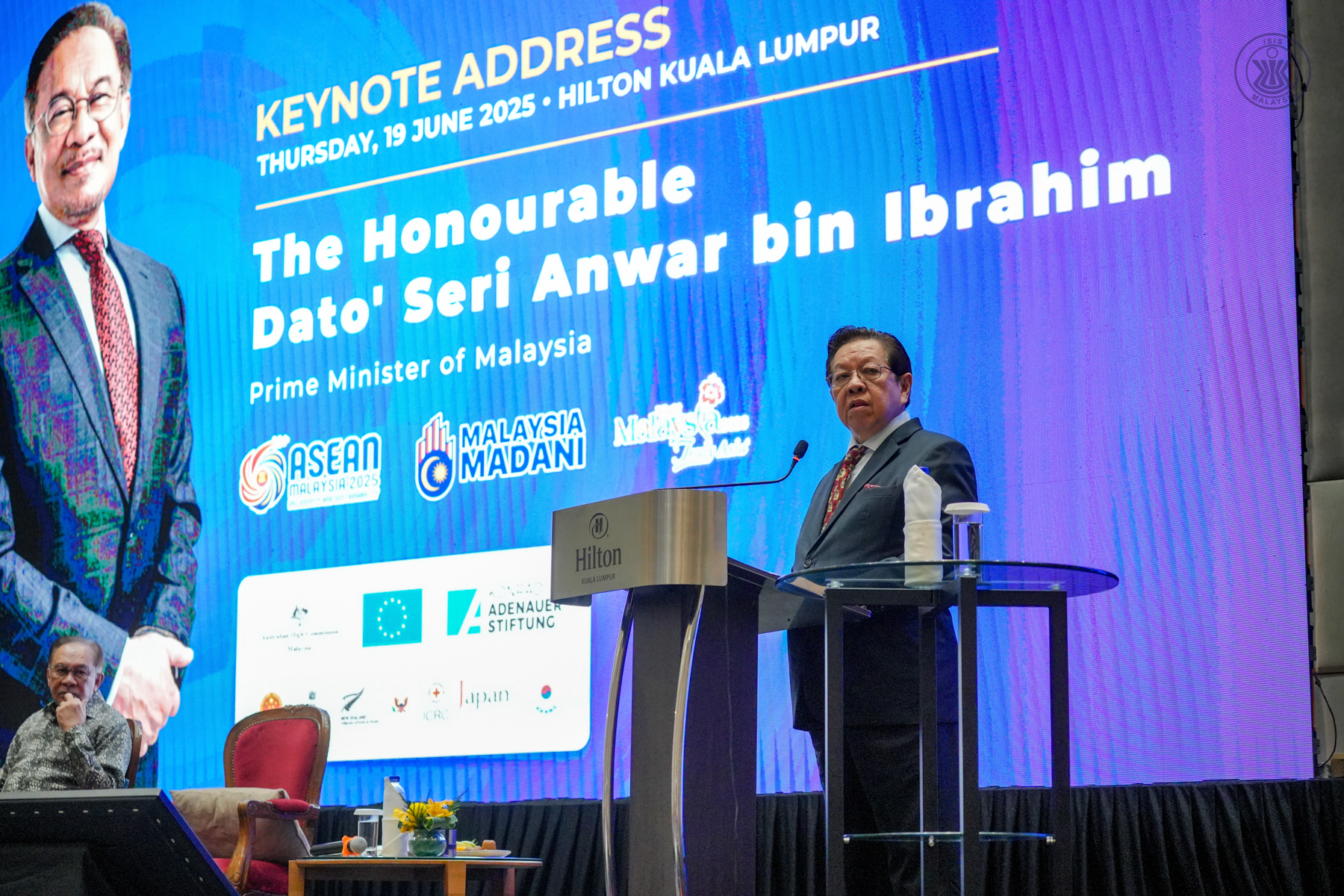
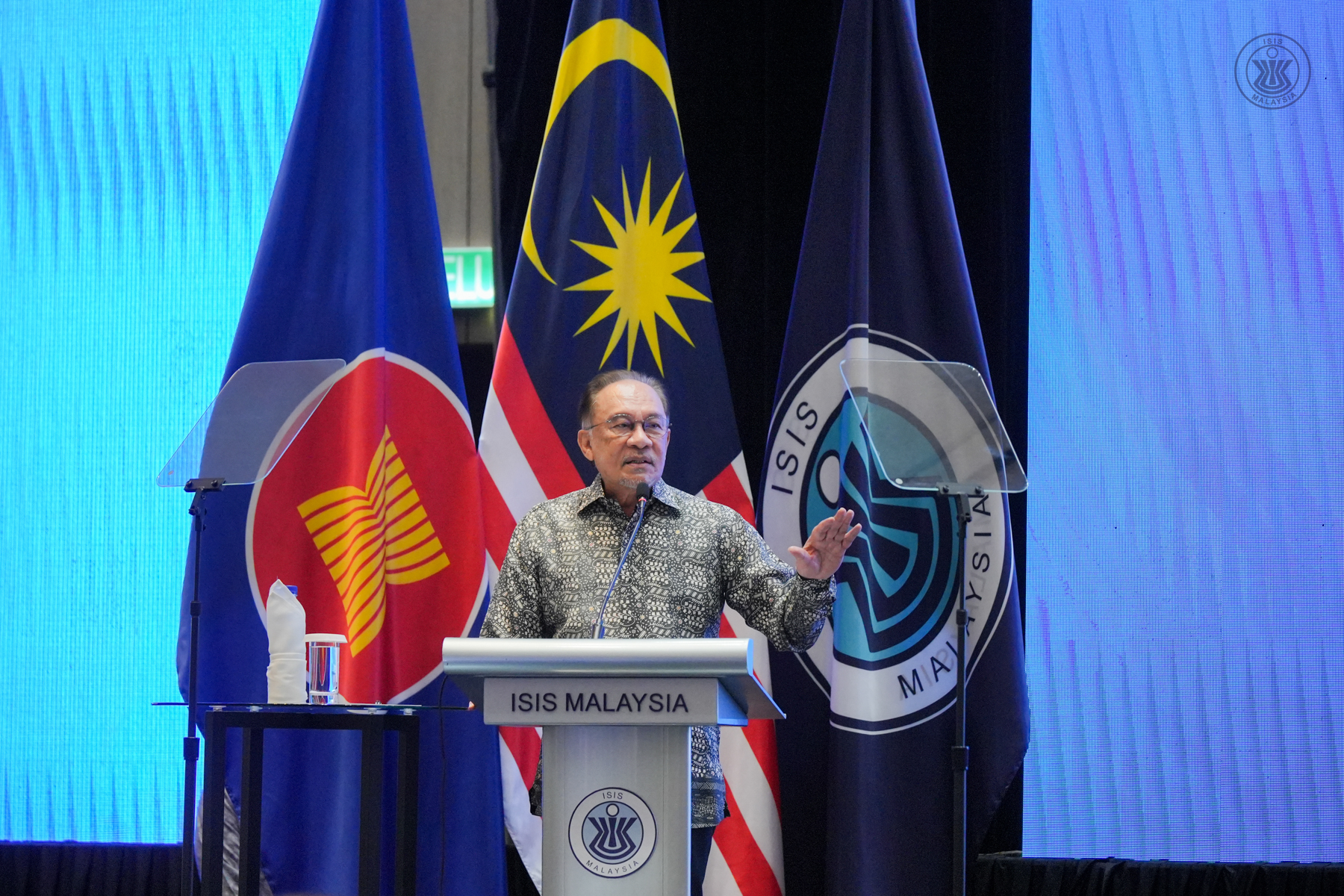
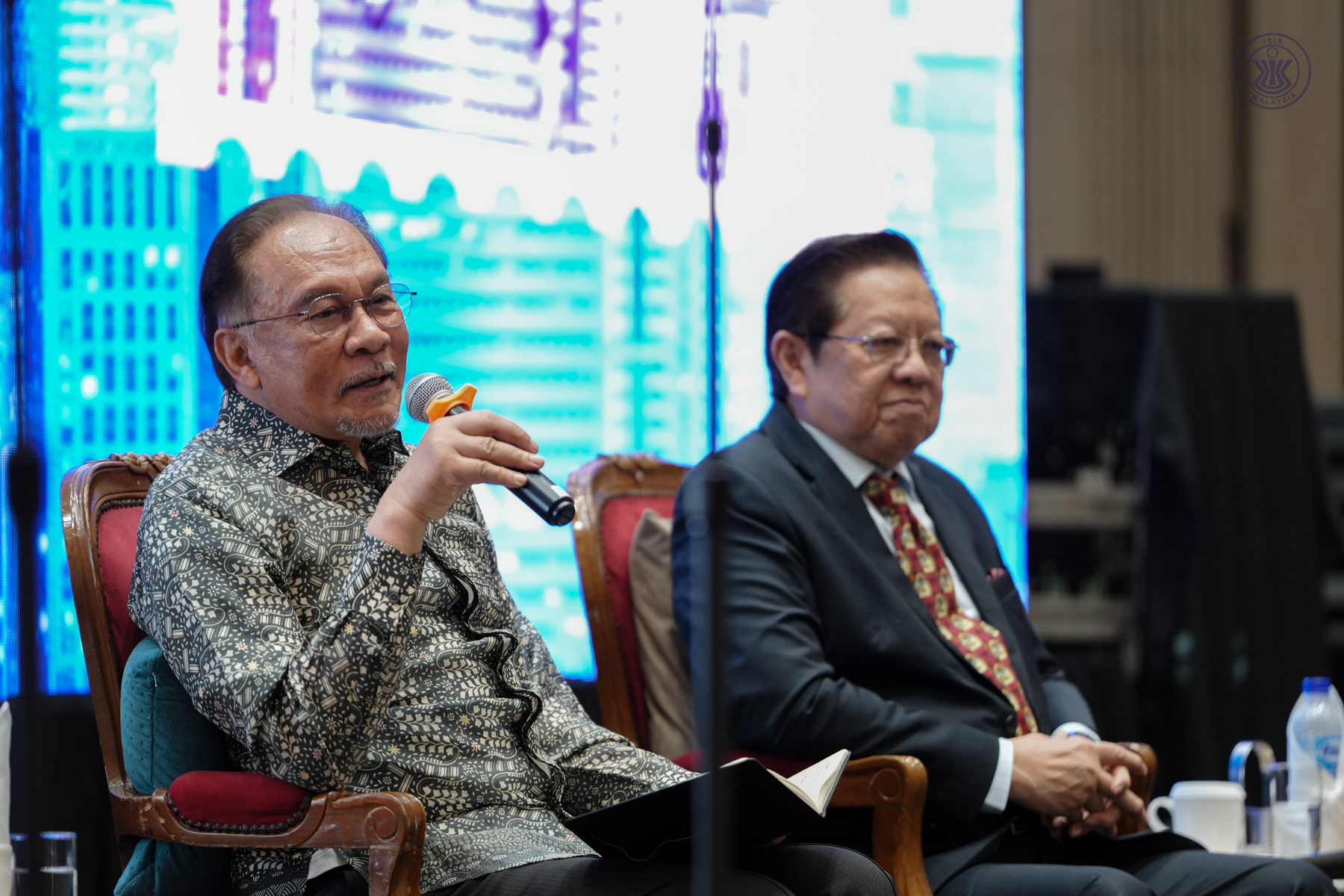
Keynote address by The Honourable Dato’ Seri Anwar bin Ibrahim
Prime Minister of Malaysia
1030-1100
Refreshments
Lake Garden Foyer, Level 6
1100-1230
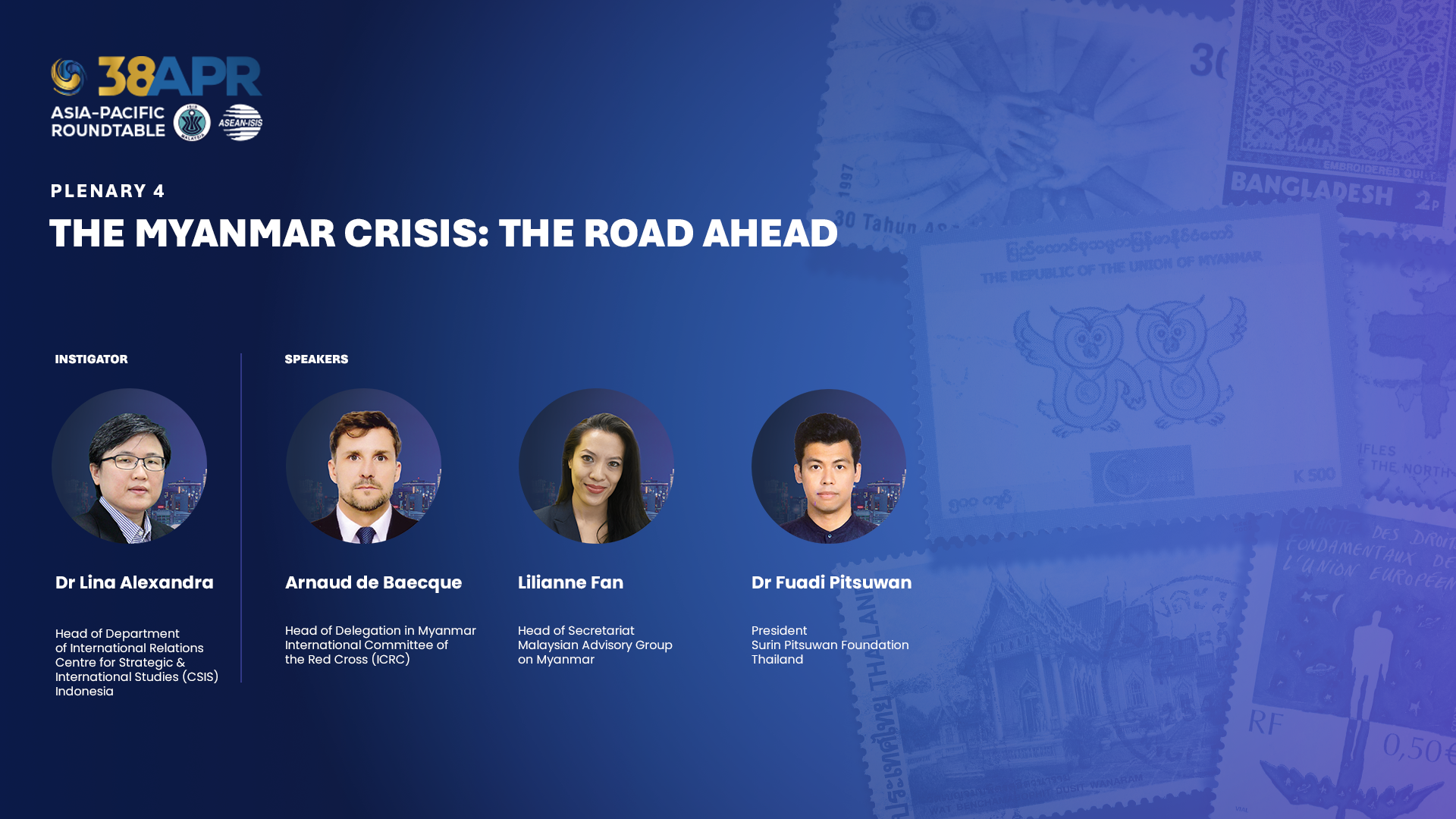
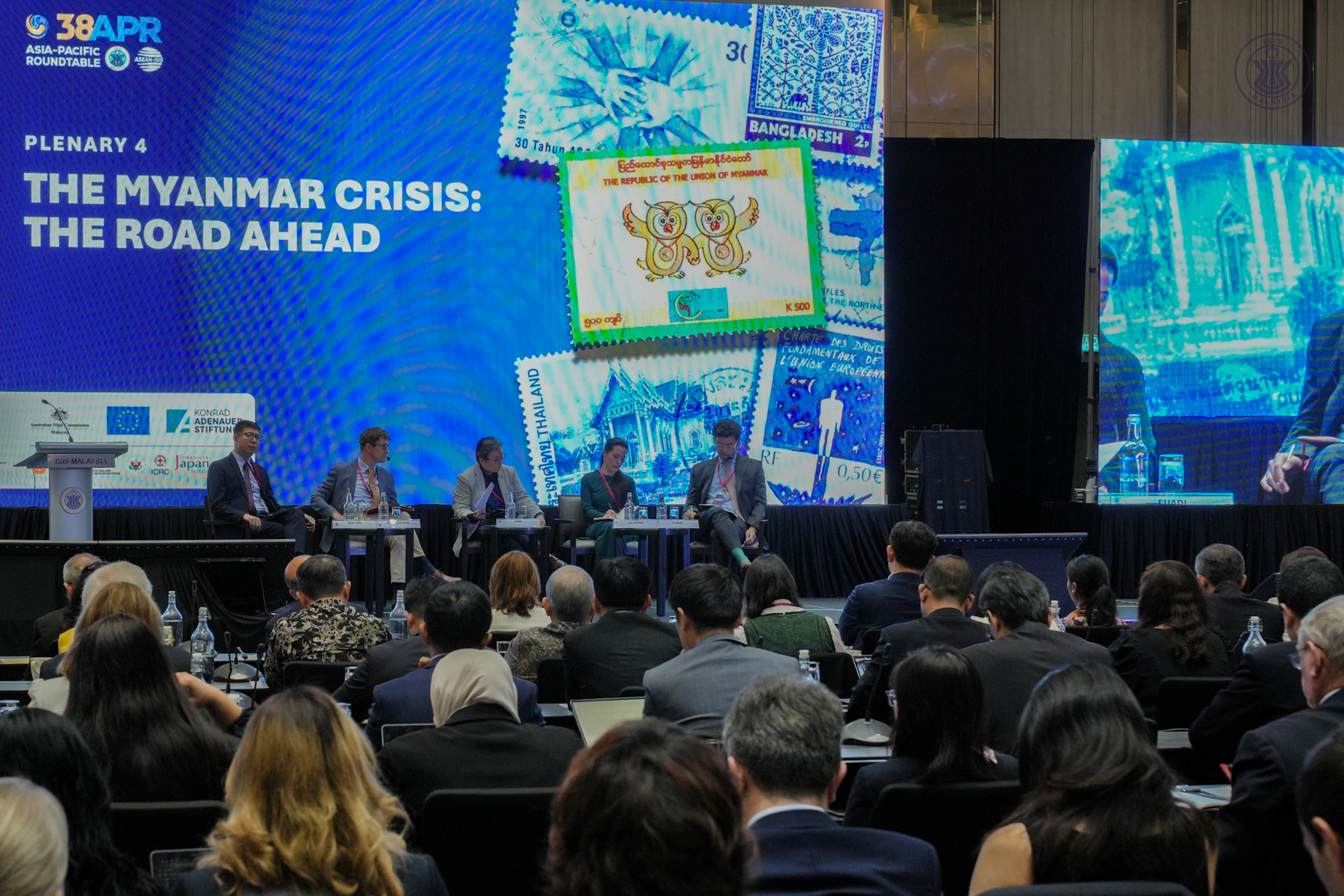
Plenary 4: The Myanmar crisis: the road ahead
Ballroom A & B, Level 6
Four years after the coup, which triggered the crisis in Myanmar, the country remains deeply divided. Displacement and suffering are widespread, while the economy has collapsed and assorted actors now control swathes of the country. Despite ongoing conversations on a new federal system, the prospects of a Balkanised or fragmented Myanmar remain a possibility. How have battlefield developments impacted on political equations or processes? Where is the most urgent humanitarian assistance required and how can stakeholders address this? How can ASEAN and other international actors respond to the complex dynamics at play in 2025 and beyond?
1230-1400
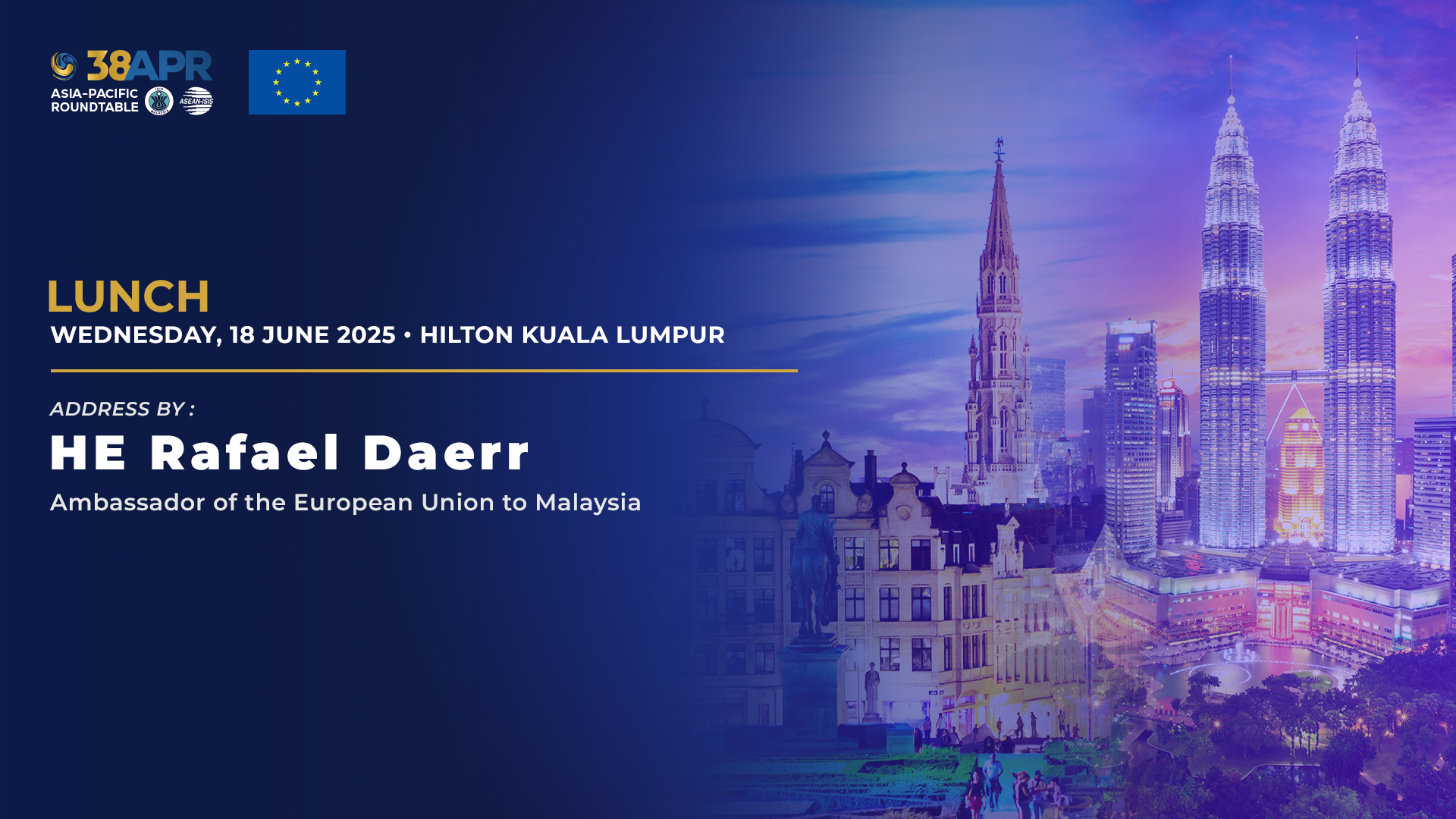
Lunch
Ballroom C, Level 6
1400-1530
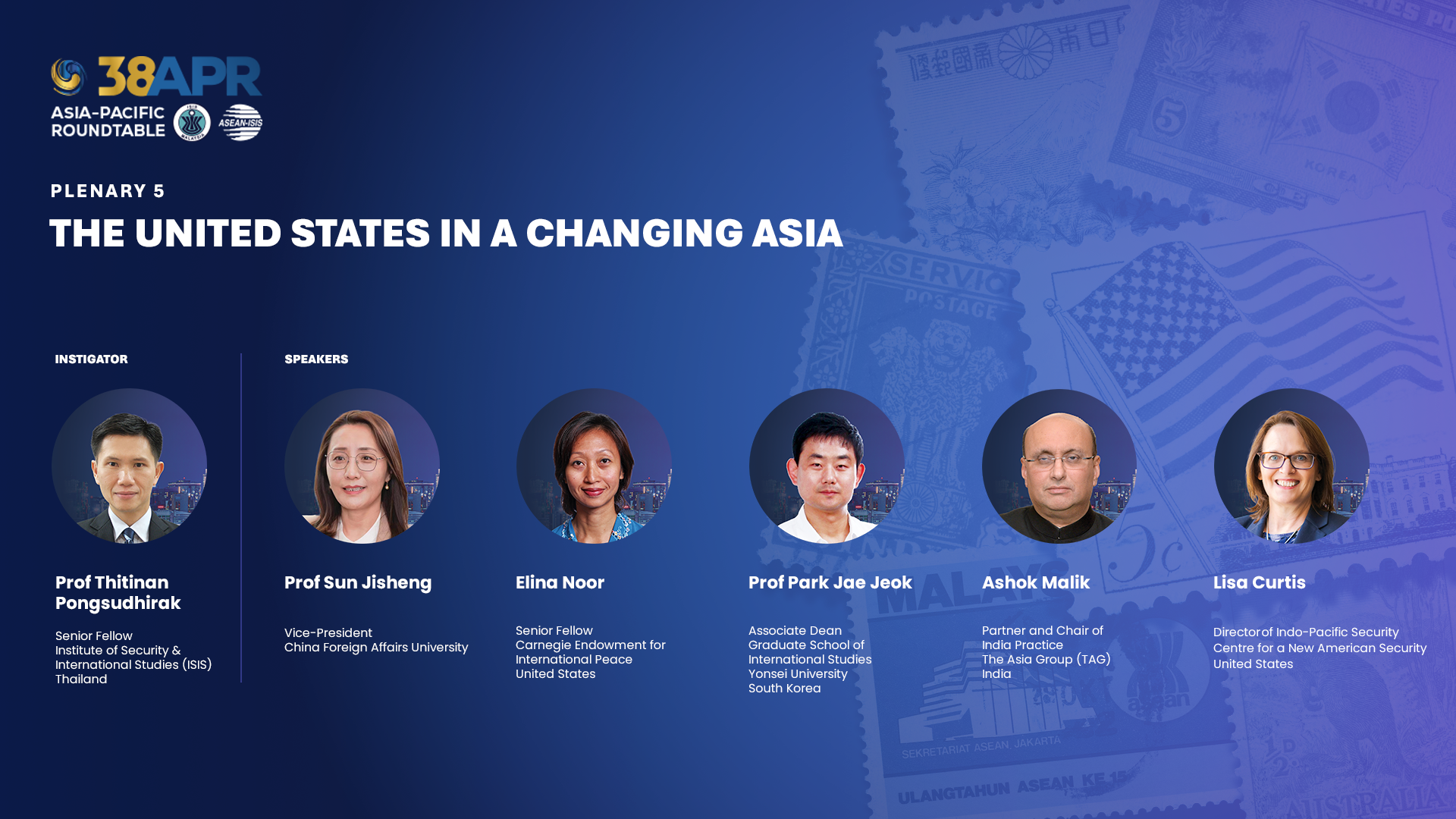
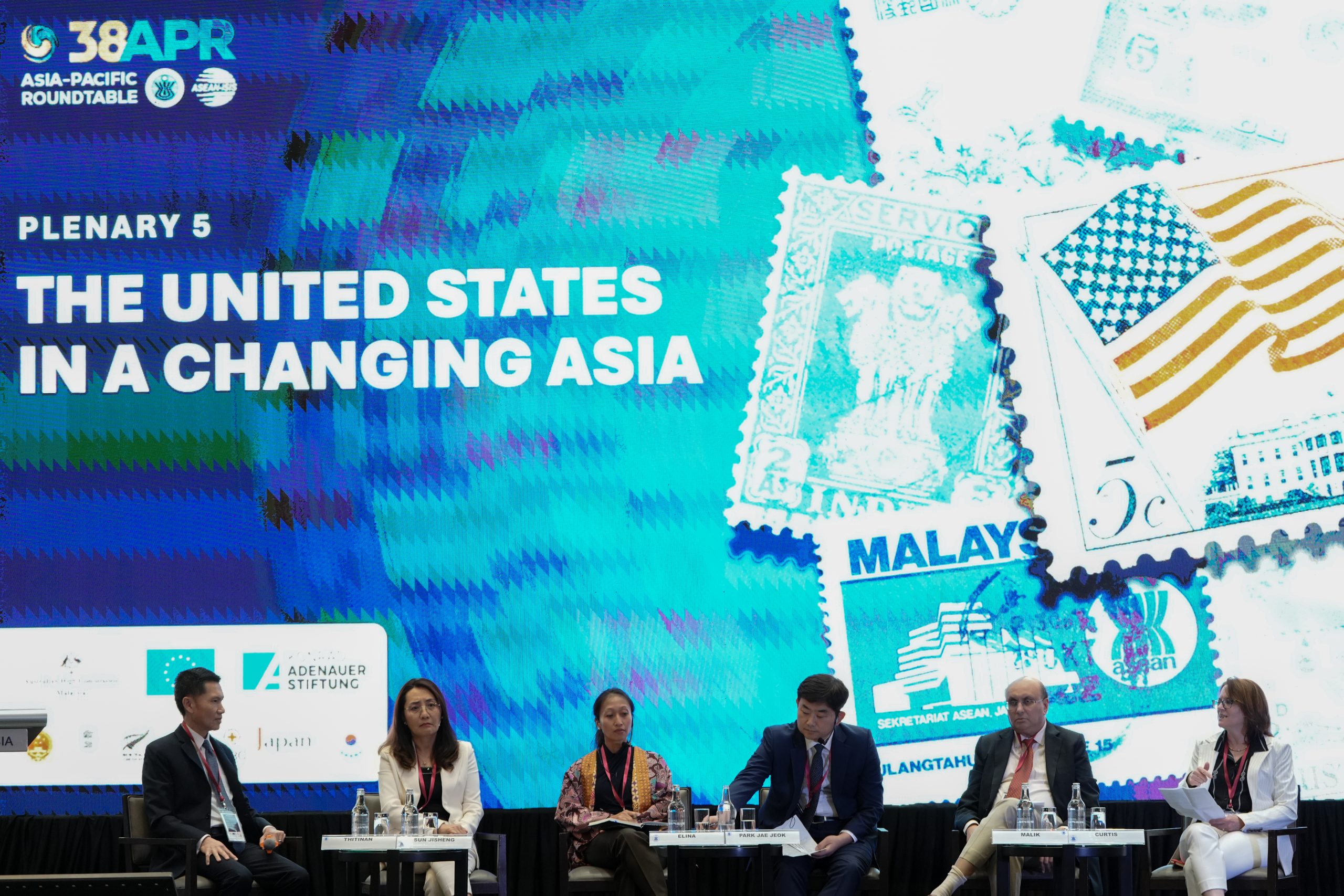
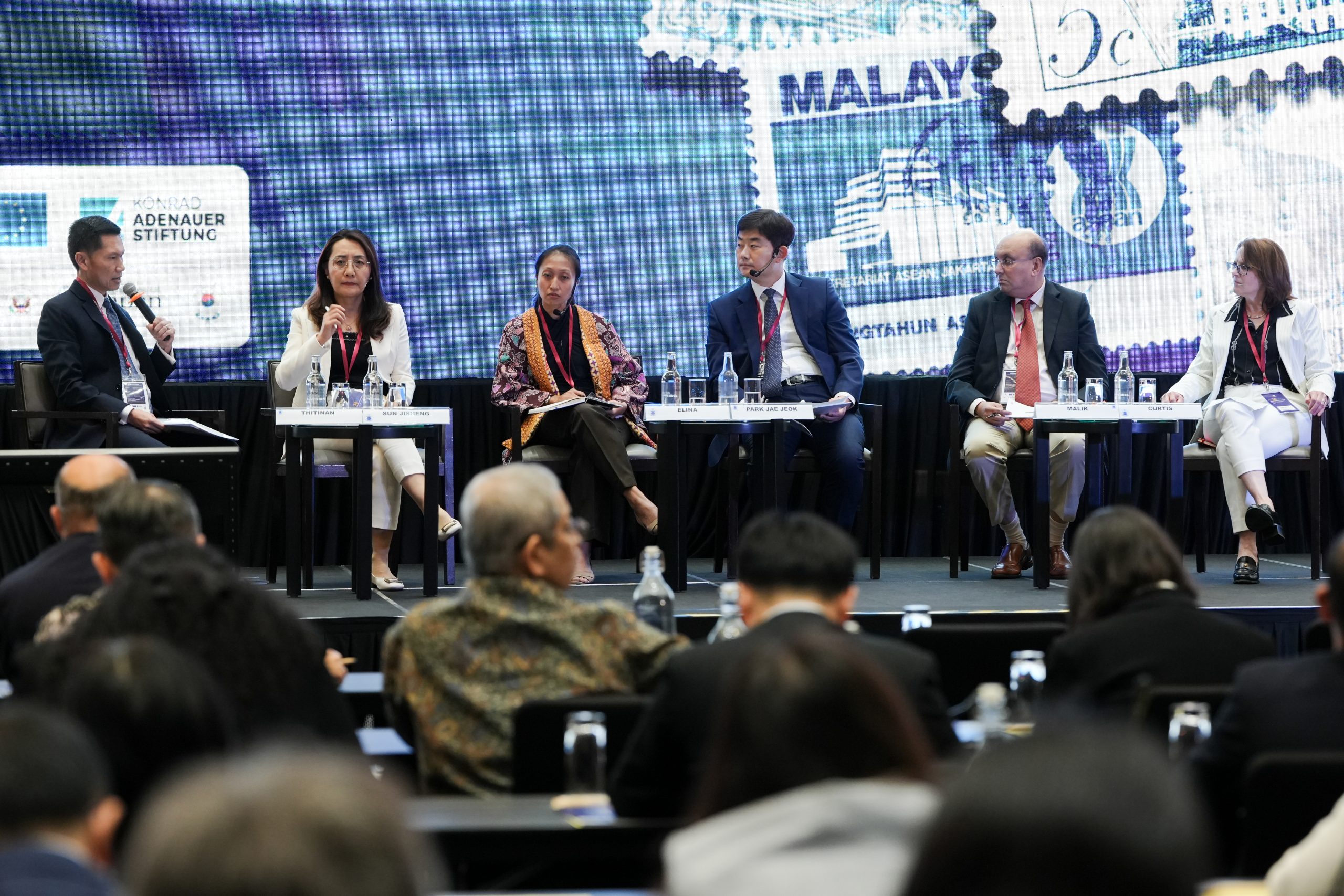
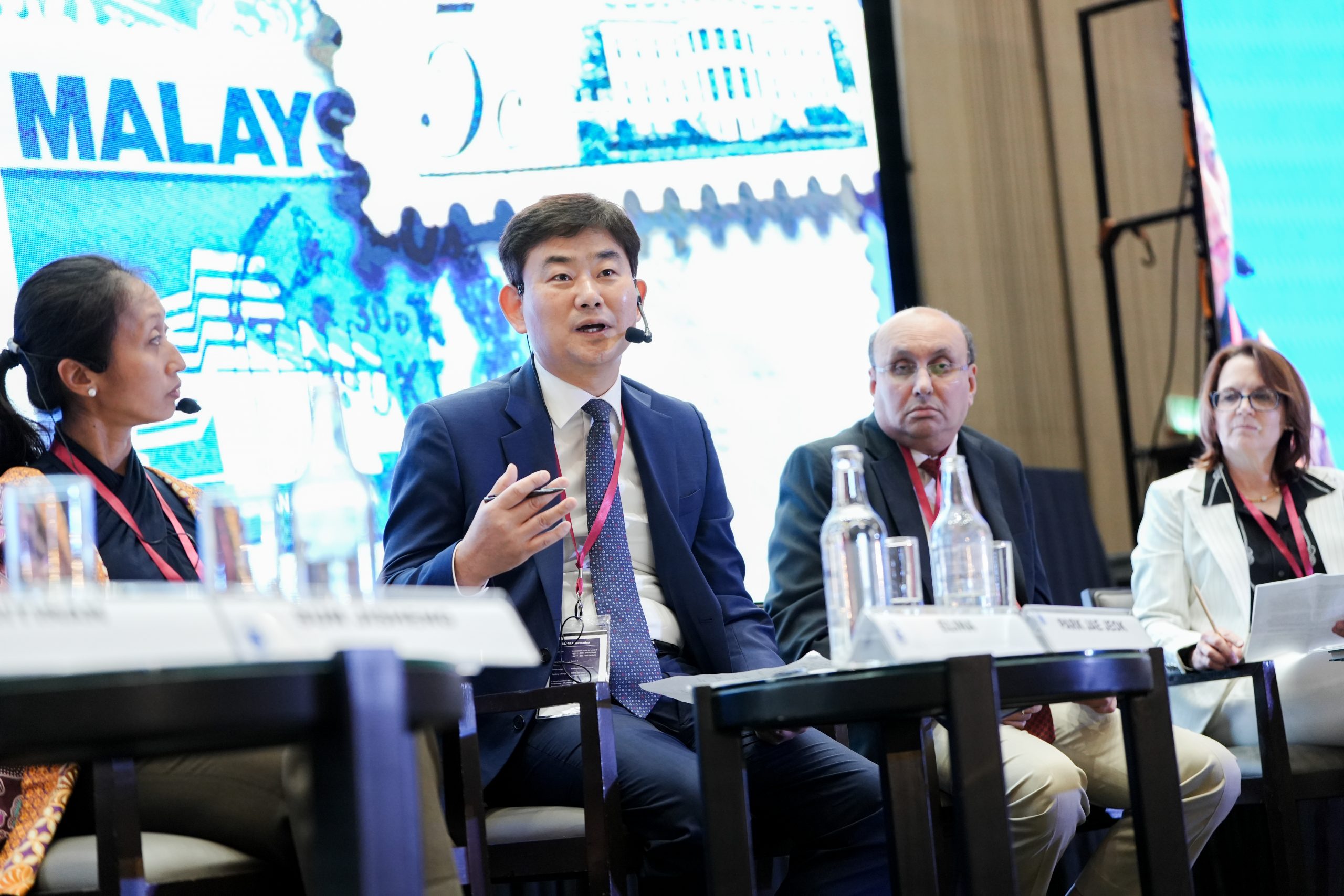
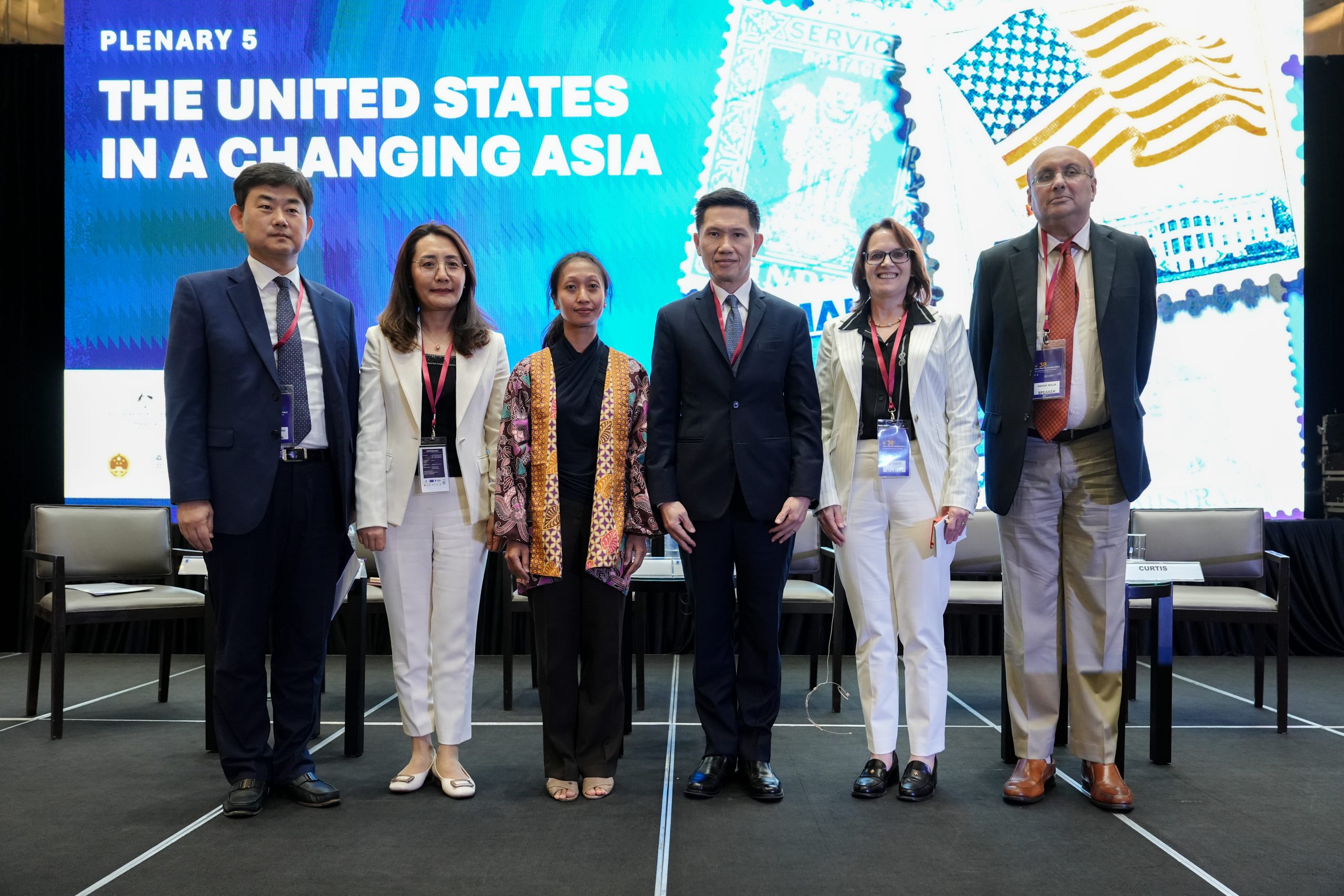
Plenary 5: The United States in a changing Asia
Ballroom A & B, Level 6
Asia is navigating an era of heighted competition, economic realignment and the rise of minilateral partnerships. The US has maintained a strong presence in the region through a network of alliances over the past 75 years but faces a more complex and competitive strategic environment today. What are the emerging priorities and implications of American policies in Asia? How would Washington pursue its economic engagements in the region? How are regional stakeholders, including partners and multilateral groupings, responding to the changing dynamics?
1530-1545
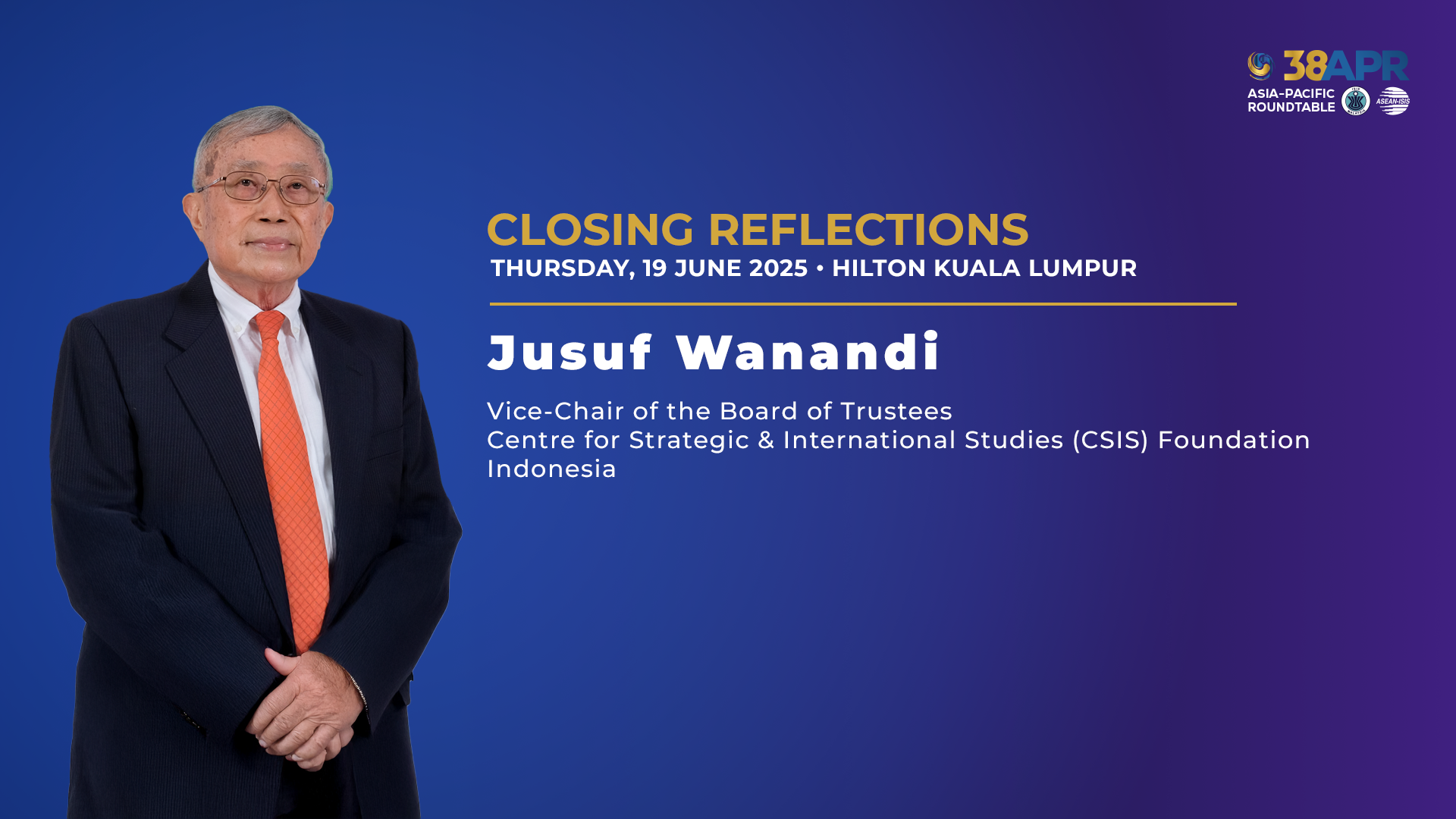
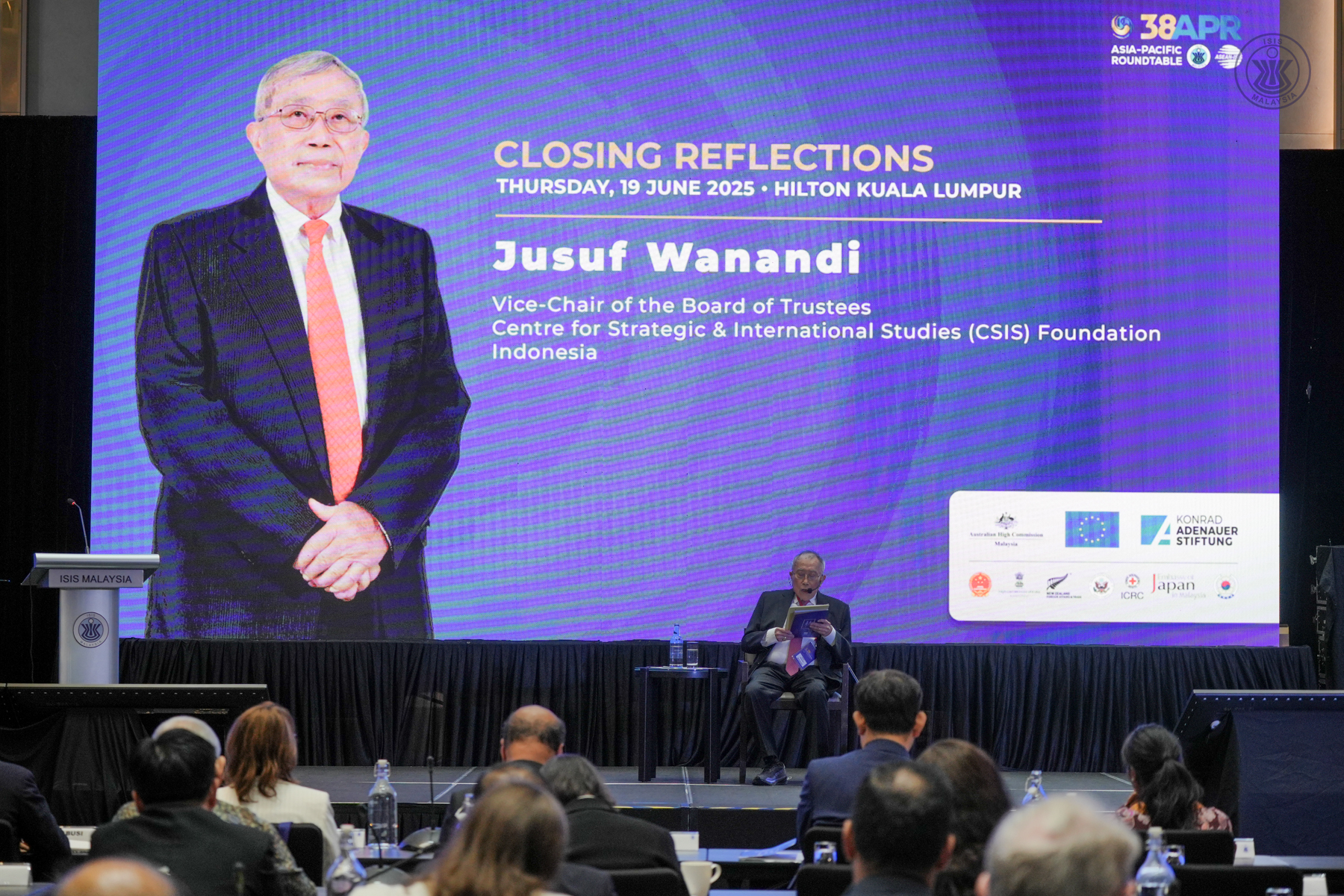
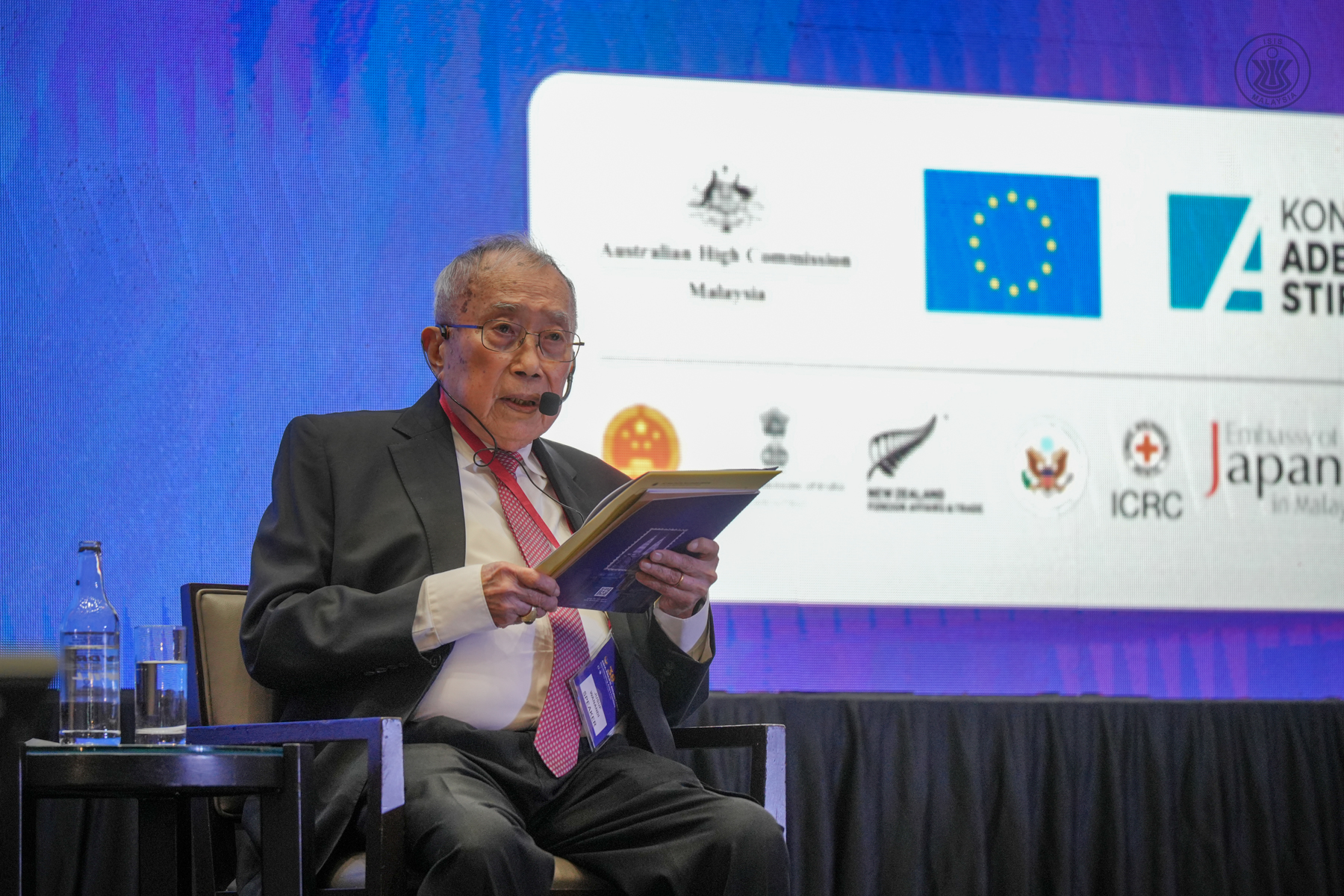
Closing reflections by Jusuf Wanandi
Vice-Chair of the Board of Trustees, Centre for Strategic & International Studies Foundation Indonesia
1545-1600
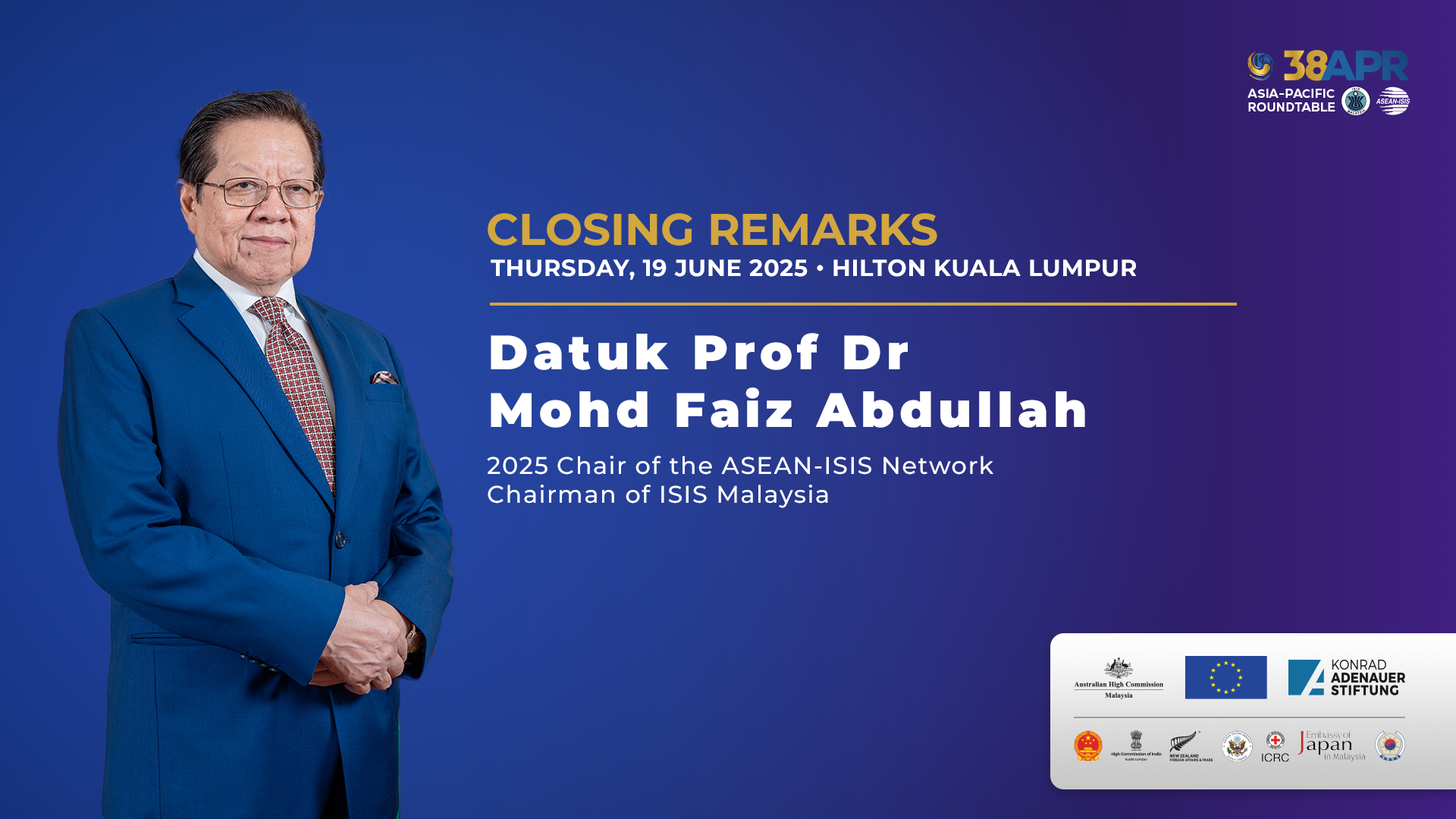
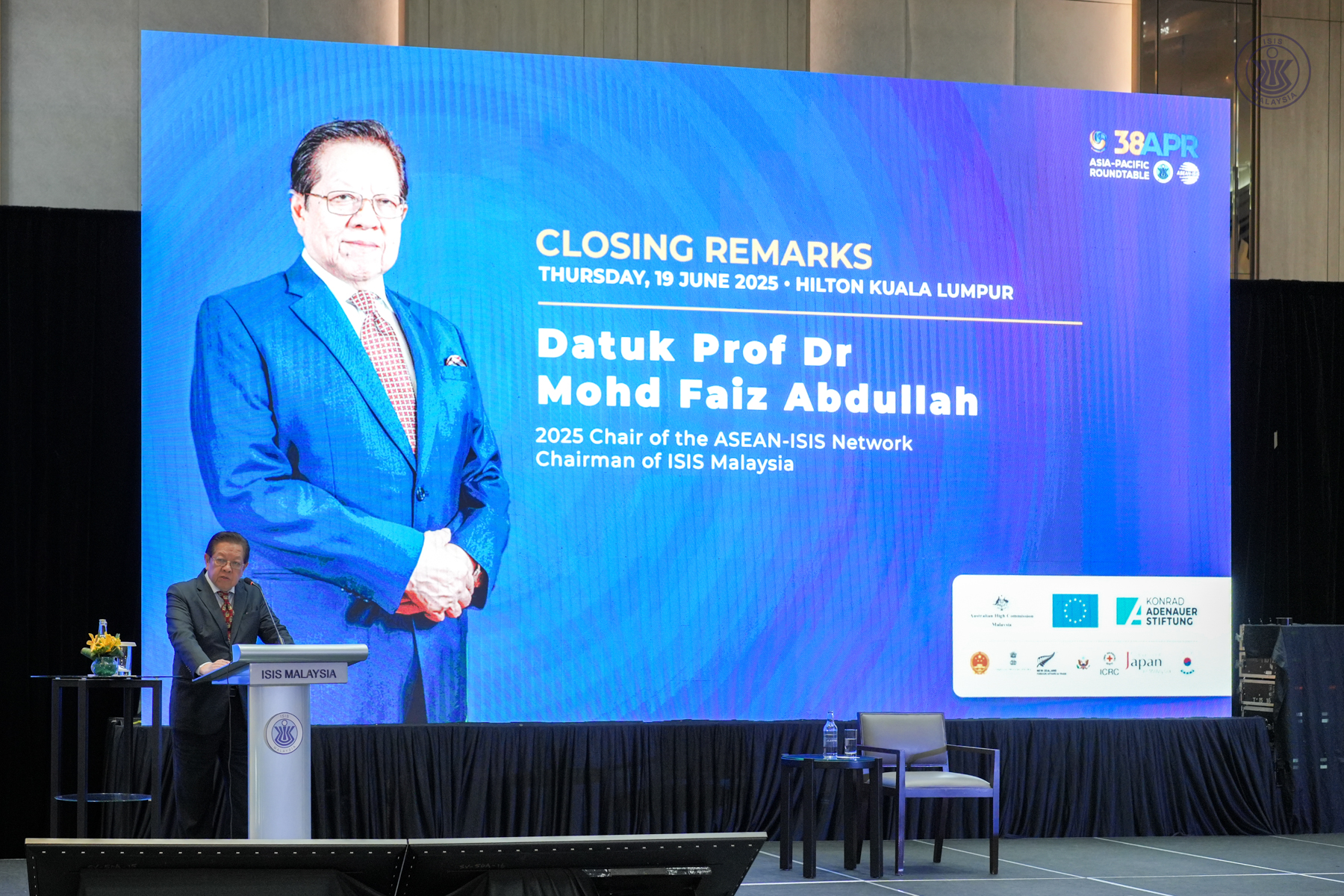
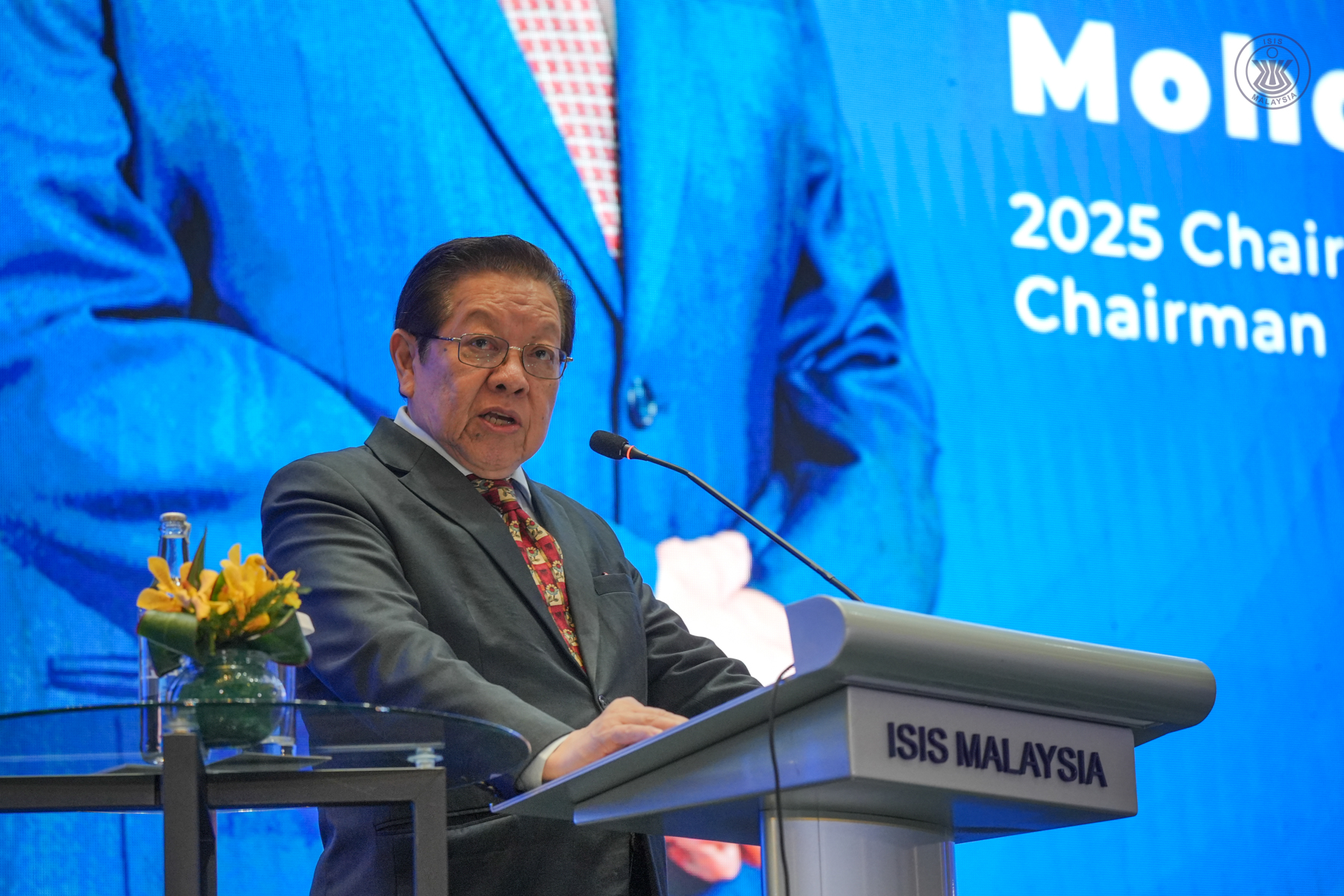
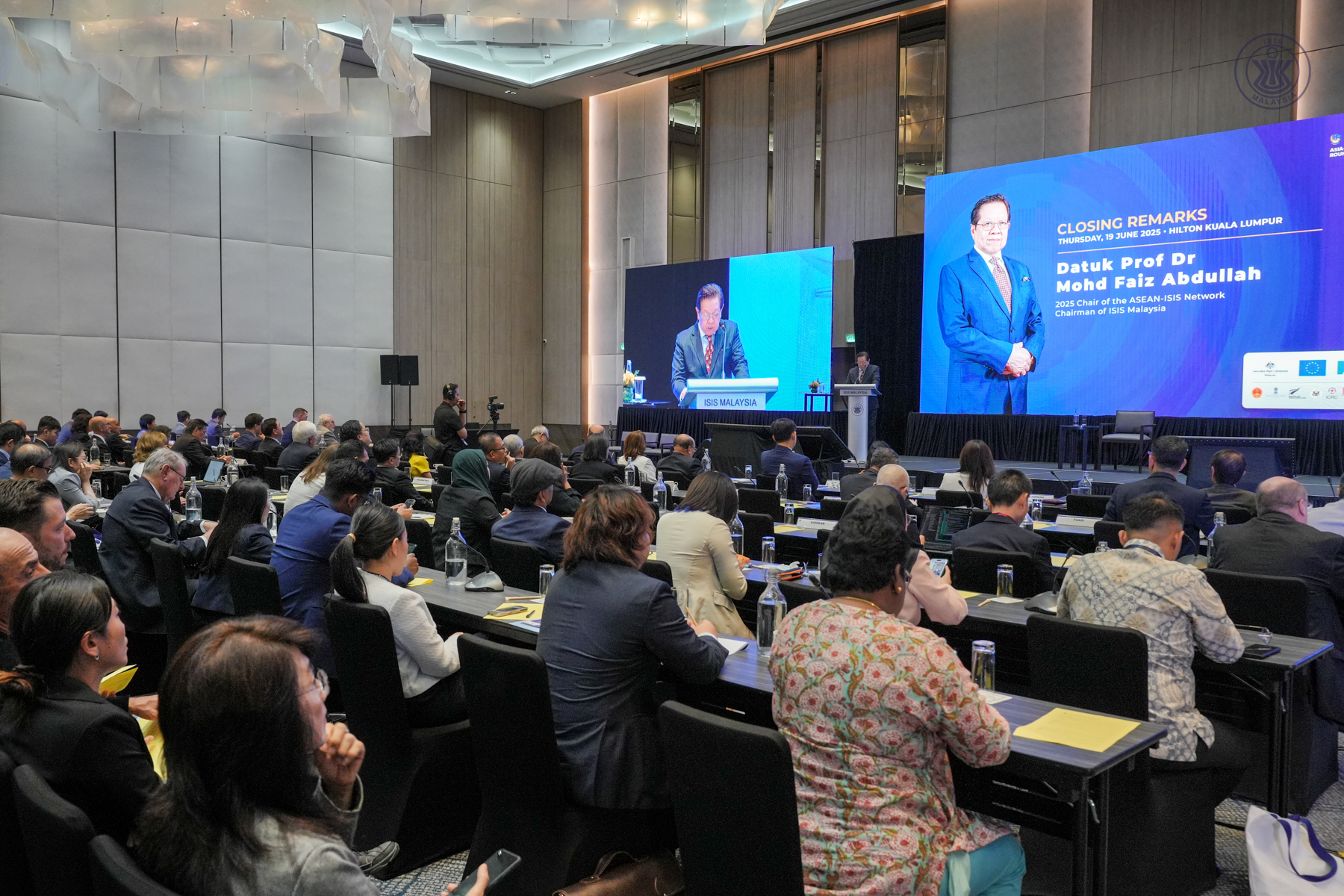
Closing remarks by Datuk Prof Dr Mohd Faiz Abdullah
2025 Chair of the ASEAN-ISIS Network, Chairman of ISIS Malaysia